
Best Cognitive Exercises That Can Change Your Brain
Cognitive exercises can help change how your brain works over time, but the strongest results usually come from a full routine, not from one puzzle alone. The National Institute on Aging says cognitive training uses structured activities to improve memory, reasoning, and processing speed, and there is evidence it may help delay or slow age-related cognitive decline. The same source also recommends combining mental engagement with physical activity, sleep, healthy food, and social connection for better cognitive health.
One useful exercise is memory practice. This can include recalling shopping lists, summarizing what you read, or using spaced repetition. Another strong option is problem-solving, such as strategy games, math challenges, or logic puzzles. These tasks can push the brain to work with attention, planning, and flexibility. The NIA also highlights keeping your mind engaged as part of brain health.
A third method is learning something new. Studying a language, practicing music, or building a new skill can stimulate the brain more deeply than repeating the same easy task every day. That is because brain change, often called neuroplasticity, responds better to meaningful challenge and sustained practice than to passive routine. This is an inference from evidence on cognitive training and brain engagement, not a promise of dramatic instant change.
Physical movement also matters. CDC says physical activity can help people think, learn, and problem-solve, and can improve memory and emotional balance. For children and adolescents, CDC also notes brain health benefits such as improved cognition and academic performance. WHO recommends physical activity to reduce the risk of cognitive decline in adults.
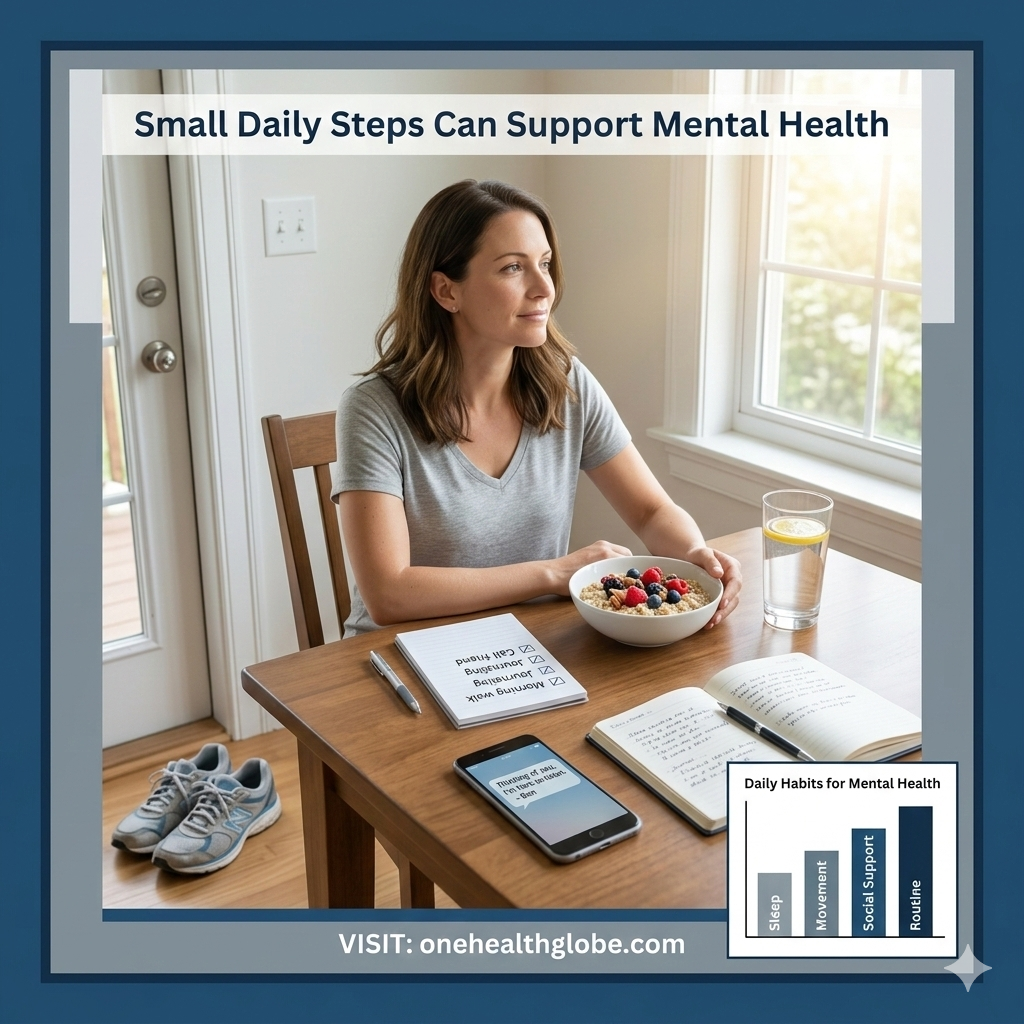
That is why the best “brain exercises” are often mixed routines. A short walk, a reading session, a memory game, and a reflective writing habit can work together better than one app used in isolation. Sleep also supports this process. NIA recommends getting seven to nine hours of sleep each night as part of caring for cognitive health.
If you want supportive tools around a brain-friendly routine, movement and recovery products from Bodyotics and Coach Soak fit wellness-focused habits. For screen-time control and distraction reduction, SentryPC can fit focus-management discussions. Wellness-tech content can naturally mention RingConn, while productivity-focused digital routines may align with Setapp. These are tools, not substitutes for healthy sleep, movement, and learning habits.
At One Health Globe, we see brain health as part of daily lifestyle, not just academic performance. You can explore more on our homepage and read related articles in our blog section. For evidence-based guidance, review resources from the National Institute on Aging, CDC, and WHO.
Keep Regular Visiting https://onehealthglobe.com/
FOLLOW PAGE FOR MORE https://web.facebook.com/onehealthglobe/
#OneHealth #BrainHealth #CognitiveExercises #HealthyLearning #MentalFitness #PublicHealth #HealthyCommunities #Wellness #Focus #Neuroplasticity