
Great Dane Temperament: Personality, Family Suitability, Training & Care Guide
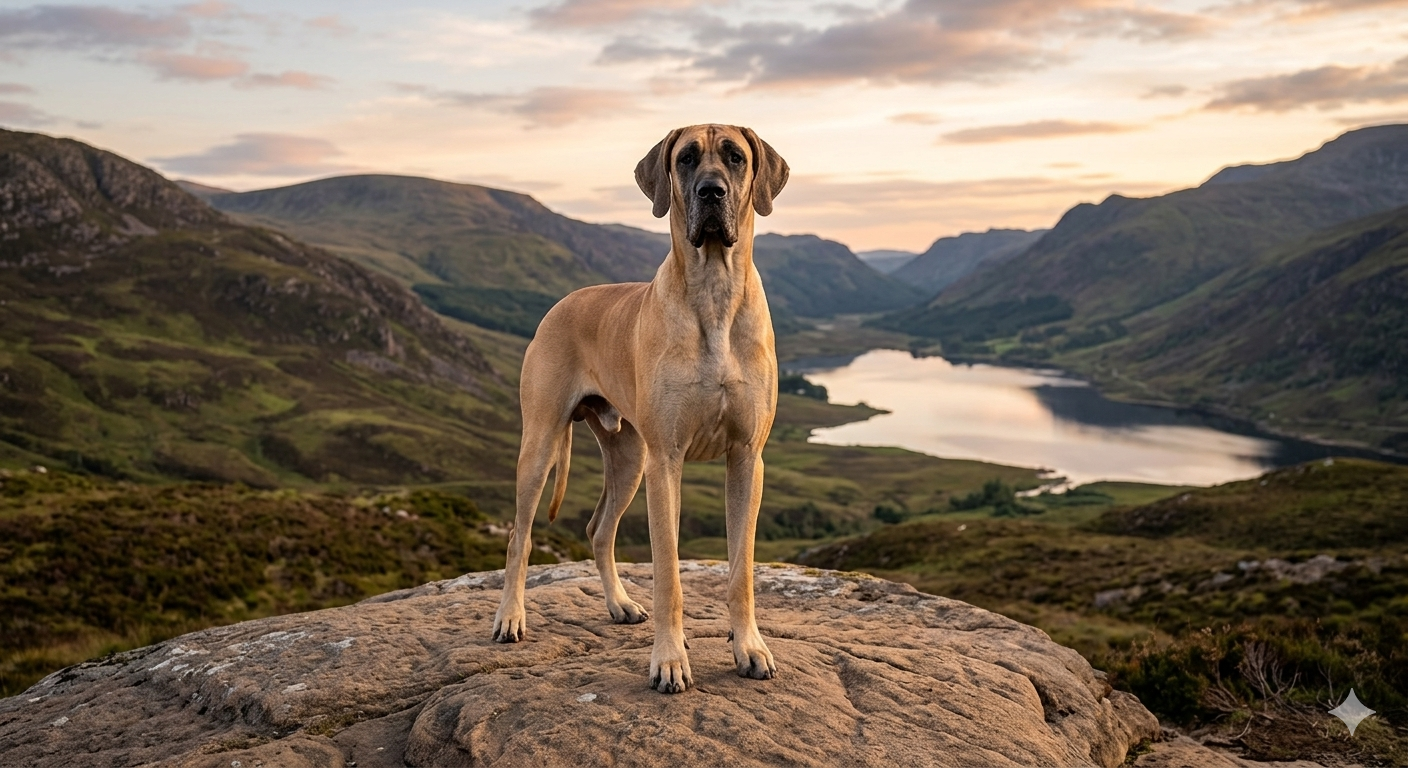
Great Dane temperament is one of the biggest reasons this giant breed is admired by dog lovers around the world. Great Danes are often described as gentle, affectionate, calm, and people-oriented despite their enormous size. Originally developed as powerful working and hunting dogs, they now commonly stand out as loving companions with a soft family side. With proper training, space awareness, and thoughtful daily care, a Great Dane can become a deeply rewarding companion for the right household.
For complete pet-care guidance, visit our Pet Safety Hub, explore our Pet Food Queries, review our Free Pet Care FAQ Resource, and browse our Products page.
Quick Great Dane Facts
Giant companion and working dog known for height, calm presence, and affectionate family nature.
Moderate. Great Danes need regular daily walks and movement, but not the nonstop drive of some working breeds.
Gentle, affectionate, calm, loyal, and often sensitive, though their size requires responsible handling.
Best for owners who can manage a giant dog’s space, training, feeding, and long-term care needs.
Great Dane Personality
The Great Dane personality is often described as gentle, loving, steady, and surprisingly soft for such a large dog. Many Great Danes are strongly bonded to their family and prefer close companionship over isolation. They often have a calm indoor presence, but their physical size means even ordinary movement can feel powerful. This breed usually thrives when treated as a well-guided family companion rather than an outdoor-only dog.
- 💛 Affectionate and strongly people-oriented
- 🛋️ Often calm and relaxed indoors
- 🧠 Responsive and capable of learning well
- 👀 Naturally noticeable and alert because of size and presence
Are Great Danes Good Family Dogs?
Yes, Great Danes can be excellent family dogs in the right home. They are often affectionate, loyal, and eager to stay close to their people. Many do well with families and can be wonderfully loving companions. However, because they are giant dogs, supervision, early manners, and space awareness are very important around children, visitors, and in smaller living areas.
- 👨👩👧 Often very affectionate with family members
- 🏡 Best in homes that can manage a giant breed comfortably
- 🧒 Can do well with children when manners and supervision are in place
- 🐾 Early socialization helps build calm behavior around people and pets
Common Great Dane Behavior Problems
- 🚪 Pulling on leash if training is weak
- 🦴 Clumsy body movement or bumping because of size
- 😟 Separation stress in very attached dogs
- 📢 Barking or alert behavior around unfamiliar activity
- 🪵 Destructive habits when bored or under-stimulated
Training and Exercise Needs
- 🏃 Needs regular daily walks and controlled exercise
- 🎓 Early obedience training is essential in a giant breed
- 🐶 Socialization helps build confidence and stable manners
- 📏 Loose-leash walking and greeting manners should start early
- 🧩 Mental stimulation and routine help prevent boredom
For more daily care guidance, explore our Dog Hygiene & Grooming Guide and our Pet Home Safety Guide.
Coat and Grooming
Great Danes have a short coat that is generally easy to maintain. Even so, regular grooming still helps with skin health, shedding control, and early detection of any physical issues.
- 🪮 Short coat is fairly low-maintenance
- ✨ Regular brushing helps manage loose hair
- 🛁 Bathing needs are usually moderate
- 🦷 Nail, ear, and dental care should remain part of the routine
Health Considerations
- 🩺 Routine veterinary care is especially important in giant breeds
- ⚖️ Healthy body condition should be maintained carefully
- 🦴 Joint and mobility support matter because of body size
- 🍽️ Feeding routines should be thoughtful and consistent
Distinctive Great Dane Traits
- 📏 Famous for towering height and giant frame
- 💛 Gentle, affectionate companion style
- 🛋️ Often calm indoors despite impressive size
- 👑 Strong presence that makes the breed unforgettable
Is a Great Dane Right for Beginners?
Great Danes can suit some beginners, but only if the owner understands the responsibilities of living with a giant dog. Their personality is often kind and manageable, but their size changes everything from leash training to transport, feeding, and home setup. A prepared beginner may do well, while an unprepared owner may feel overwhelmed.
- ⚠️ Can be challenging because of giant size
- 📘 Early training and management are essential
- 🏡 Best for homes ready for large-dog logistics
- 💛 Very rewarding for owners who want a gentle giant companion
To strengthen your everyday pet-care routine, also visit our Pet First Aid Kit Checklist, review our Pet Safety Quiz, and explore our latest pet care articles.
Final Takeaway
Great Dane temperament is gentle, affectionate, calm, loyal, and people-focused. With early training, thoughtful daily care, proper space management, and a family-centered routine, Great Danes can become outstanding companions for households prepared for a loving giant breed.
Explore More Dog Breeds
After reading this guide, you can also browse our full dog breeds hub to compare more temperaments, family compatibility, grooming needs, and training traits across popular breeds.
Visit the Dog Breeds Hub