
Miniature Poodle Temperament: Personality, Family Suitability, Training & Care Guide
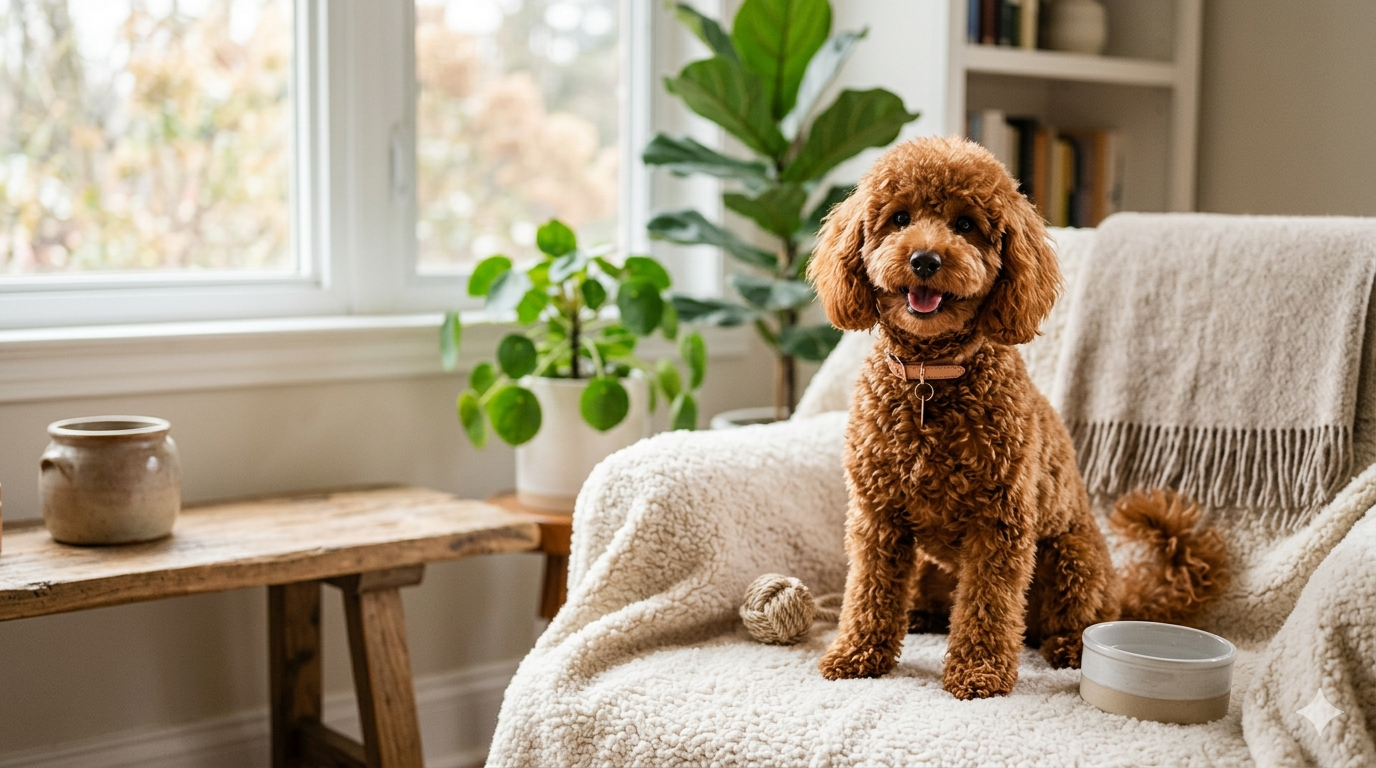
Miniature Poodle temperament is one of the main reasons this breed is loved by families and active pet owners. Miniature Poodles are intelligent, affectionate, alert, and highly trainable. They are smaller than Standard Poodles but still carry the same bright mind, elegant appearance, and eager-to-please nature. With proper exercise, grooming, and companionship, a Miniature Poodle can become a loyal and deeply rewarding family companion.
For complete pet-care guidance, visit our Pet Safety Hub, explore our Pet Food Queries, review our Free Pet Care FAQ Resource, and browse our Products page.
Quick Miniature Poodle Facts
Small-to-medium companion and sporting-type dog known for intelligence, elegance, and versatility.
Moderate to high. Miniature Poodles need daily activity, play, and mental stimulation.
Intelligent, affectionate, alert, playful, and eager to please.
Best for families or individuals who can provide grooming, attention, exercise, and training.
Miniature Poodle Personality
The Miniature Poodle personality is often described as bright, affectionate, responsive, and lively. These dogs are quick learners and usually enjoy being close to their people. They often combine a playful spirit with a sharp mind, which makes them engaging companions in both active and calmer homes.
- 💛 Affectionate and people-oriented
- 🧠 Highly intelligent and quick to learn
- 🎉 Playful and lively
- 👀 Alert and observant
Are Miniature Poodles Good Family Dogs?
Yes, Miniature Poodles can be excellent family dogs. They are affectionate, trainable, and usually adaptable to many home settings. Their smaller size also makes them practical for apartments or moderate-sized homes, as long as daily activity and companionship are provided.
- 👨👩👧 Often very good with families
- 🏡 Adaptable to smaller homes and apartments
- 🐾 Usually social with people and pets when properly introduced
- 📚 Responds well to training and routine
Common Miniature Poodle Behavior Problems
- 📢 Barking if bored or under-stimulated
- 😟 Separation anxiety in very attached dogs
- 🏃 Restlessness without enough activity
- 🚪 Attention-seeking habits if routines are inconsistent
Training and Exercise Needs
- 🏃 Needs daily walks and active play
- 🧩 Requires mental stimulation and training games
- 🎓 Highly trainable and eager to learn
- 🐶 Early socialization helps build confidence
- 📏 Thrives with positive, consistent routines
For more daily care guidance, explore our Dog Hygiene & Grooming Guide and our Pet Home Safety Guide.
Coat and Grooming
- 🪮 Curly coat needs regular brushing
- ✂️ Professional grooming is often needed
- ✨ Low-shedding coat compared with many breeds
- 🛁 Regular ear, nail, and coat care matters
Health Considerations
- 🩺 Regular vet checkups are important
- 👀 Eye health should be monitored
- 🦴 Joint and mobility support matters over time
- ⚖️ Healthy weight management supports long-term wellbeing
Distinctive Miniature Poodle Traits
- 🎩 Elegant look with a sharp, lively expression
- 🧠 One of the smartest companion breeds
- 🎾 Enjoys interactive games and learning tasks
- 💛 Strong emotional bond with owners
Is a Miniature Poodle Right for Beginners?
Miniature Poodles are often a good choice for beginners because they are intelligent, affectionate, and highly trainable. However, they still require grooming, daily activity, and attention. A beginner who wants a very independent, low-care dog may find the grooming and companionship needs higher than expected.
- ✅ Often beginner-friendly
- 📘 Easy to train with positive methods
- ✂️ Grooming commitment is important
- 💛 Best for owners who want an involved companion
To strengthen your everyday pet-care routine, also visit our Pet First Aid Kit Checklist, review our Pet Safety Quiz, and explore our latest pet care articles.
Final Takeaway
Miniature Poodle temperament is affectionate, intelligent, playful, and highly trainable. With proper grooming, exercise, and companionship, this breed can become one of the most rewarding small-to-medium family dogs.
Explore More Dog Breeds
After reading this guide, you can also browse our full dog breeds hub to compare more temperaments, family compatibility, grooming needs, and training traits across popular breeds.
Visit the Dog Breeds Hub