
New Kitten Planner: Week-by-Week Care, Feeding, Litter Training, Play, and Vaccine Schedule
New Kitten Planner is a practical starter page for helping new kitten owners stay organized with kitten milestones, home setup, feeding structure, litter training, enrichment, and preventive vet planning.
This layout is designed to feel premium and easy to scan, so visitors can move quickly from the first days at home to feeding, play, and vaccine planning without getting lost.
Kitten Milestones: Horizontal Week-by-Week Slider
This slider-style section makes the page feel more interactive while helping visitors understand what changes across early kitten development. Swipe on mobile or scroll horizontally on desktop.
Planner Highlights
Find a premium quick-scan summary before moving deeper into the page.
New Kitten Checklist for the First Week Home
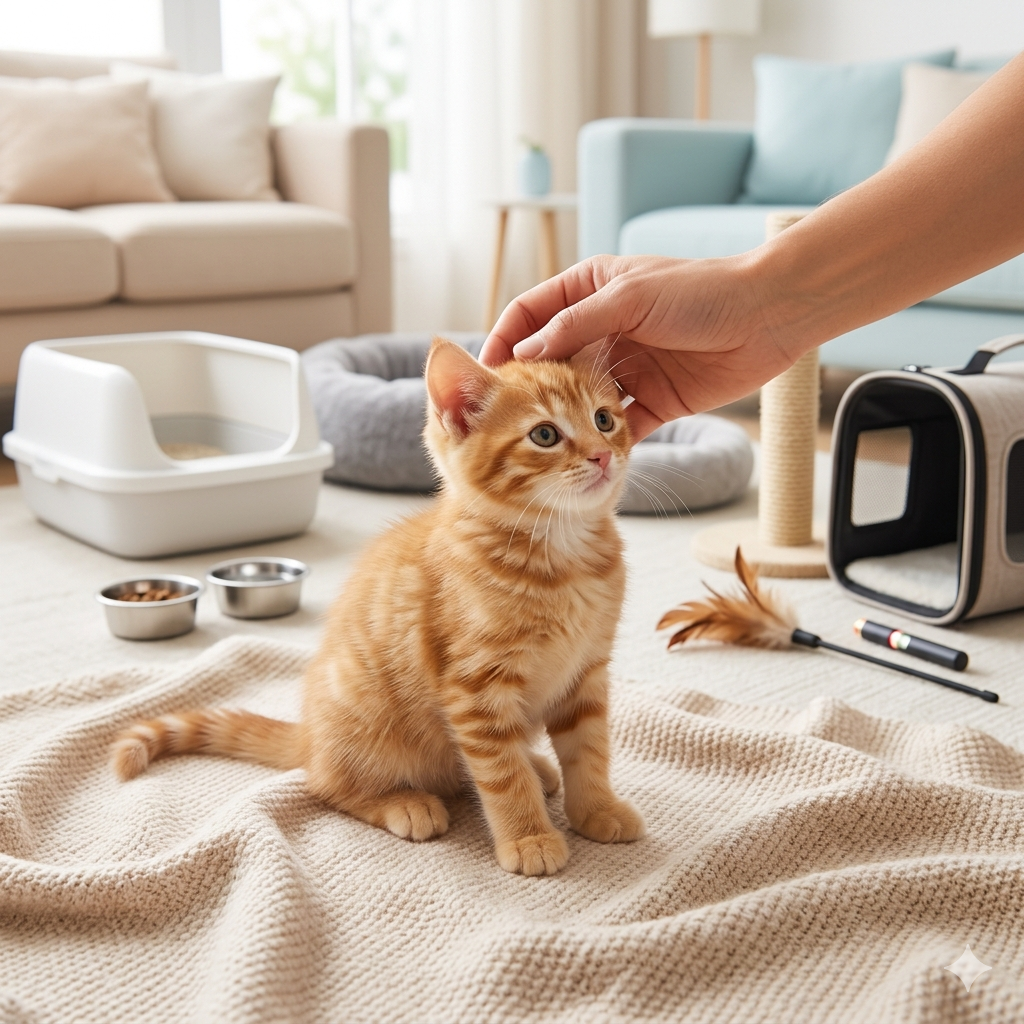
The first week sets the tone. A good setup lowers stress, supports feeding and litter habits, and gives your kitten safer ways to rest, hide, play, and explore.
Essential Setup
- Comfortable bed in a quiet room
- Carrier for travel practice and vet visits
- Kitten food with shallow food and water bowls
- Low-entry litter box with unscented litter
- Scratching post or scratching pad
- Safe toys for gentle interactive play
- Covered hiding place or calm corner
Home Safety Basics
- Store medicines and cleaners safely
- Remove toxic plants and small swallowable objects
- Secure windows, balconies, and risky spaces
- Keep cords and fragile items out of reach
- Place food, water, bed, and litter in accessible spots
- Book an early wellness exam with your veterinarian
Kitten Feeding Plan
Kittens need a life-stage appropriate diet and meal timing that changes as they grow. Younger kittens need more frequent feeding, while older kittens can move toward a more structured meal routine. :contentReference[oaicite:1]{index=1}
| Age | Main Feeding Focus | Routine Idea | Helpful Notes |
|---|---|---|---|
| 0–4 weeks | Milk feeding stage | Frequent feedings if orphaned and managed with veterinary guidance | Warmth and close monitoring are essential during this stage. |
| 4–8 weeks | Weaning transition | Small soft meals several times daily | Make transitions gradual and easy to digest. |
| 8–12 weeks | Complete kitten diet | Usually 3–4 measured meals per day | Choose food specifically formulated for kittens. |
| 3–6 months | Rapid growth support | Usually 3 meals per day | Monitor body condition, appetite, and stool consistency. |
| 6–12 months | Structured growth feeding | Often 2–3 meals per day | Ask your veterinarian when to move toward adult food. |
Helpful Feeding Tips
- Keep fresh water available at all times.
- Use a complete and balanced kitten formula.
- Change foods gradually rather than suddenly.
- Use measured meals to track intake more easily.
- Watch body condition and energy each week.
Feeding Mistakes to Avoid
- Switching food too quickly
- Using adult maintenance food too early
- Overusing treats
- Ignoring poor appetite, diarrhea, or vomiting
- Keeping feeding times too inconsistent
Kitten Litter Training Tips
Cats often prefer clean boxes, quiet placement, and separation between litter and feeding areas. A simple setup improves success and lowers avoidance behavior. :contentReference[oaicite:2]{index=2}
Best Litter Box Setup
- Choose a low-sided box that is easy to enter.
- Use unscented litter when possible.
- Keep the box in a calm, low-traffic location.
- Keep food and water away from the litter area.
- For multiple cats, offer one box per cat plus one extra.
Training Tips That Work
- Place the kitten in the box after meals, naps, and play.
- Scoop daily and deep clean regularly.
- Do not punish accidents.
- Keep the routine calm and consistent.
- Sudden litter-box avoidance deserves veterinary discussion.
Kitten Playing Routine and Enrichment Methods
Early play and social exposure help kittens learn how to interact with people, environments, and movement in healthier ways. Several short sessions are usually more effective than one long session. :contentReference[oaicite:3]{index=3}
Daily Play Routine
- Use several short play sessions each day.
- Choose wand toys and moving toys that mimic prey-like motion.
- Let the kitten catch the toy sometimes.
- End with a calm period or meal when practical.
Best Enrichment Methods
- Scratching posts and scratch pads
- Cat trees and vertical climbing spaces
- Food puzzles and treat toys
- Hide-and-seek games with toys or treats
Play Safety Rules
- Avoid unsafe strings or swallowable small items when unsupervised.
- Do not use hands as toys.
- Stop if the kitten becomes overstimulated or exhausted.
- Rotate toys to maintain interest.
Vet-Approved Kitten Vaccine Schedule
AAHA/AAFP feline vaccination guidance supports starting core kitten vaccination in early life, with boosters continuing through about 16 weeks, while FeLV is considered core for cats younger than 1 year and rabies timing depends on product guidance and local law. :contentReference[oaicite:4]{index=4}
| Age | Visit Focus | Common Vaccine Discussion | Owner Reminder |
|---|---|---|---|
| 6–8 weeks | First wellness visit | Start FVRCP series in many cases | Discuss deworming, flea prevention, nutrition, and home care. |
| 10–12 weeks | Growth check and booster planning | Next FVRCP booster; FeLV often discussed for kittens | Indoor/outdoor exposure affects risk planning. |
| 14–16 weeks | Later kitten booster visit | Final FVRCP-series booster timing; rabies depends on local requirements and product guidance | Confirm exact timing with your veterinarian. |
| About 12 months later | Annual preventive care | Booster planning for FVRCP, rabies, and FeLV as indicated | Future schedule depends on lifestyle and vaccine type. |
Simple Daily New Kitten Routine
Morning Routine
- Serve a measured kitten meal.
- Refresh drinking water.
- Scoop the litter box.
- Offer a short play session.
- Observe appetite, stool, and comfort.
Afternoon Routine
- Give another meal if age-appropriate.
- Offer calm exploration time.
- Use a scratching post or puzzle toy.
- Practice gentle handling for paws and carrier comfort.
Evening Routine
- Serve the next meal.
- Do a short interactive play session.
- Check the litter area again.
- Let the kitten settle in a safe quiet rest space.
Frequently Asked Questions About New Kittens
When should a new kitten first see the vet?
Many kittens have their first veterinary visit around 6 to 8 weeks of age, or earlier if they are orphaned, sick, or have an unknown health background.
How often should a kitten eat?
Meal frequency depends on age. Young weaned kittens commonly do better with 3 to 4 meals a day, while older kittens may move toward 2 to 3 structured meals.
What litter box is best for a kitten?
A low-entry litter box in a quiet location is usually easiest for young kittens to use consistently.
How much should a kitten play each day?
Several short interactive play sessions are usually more useful than one long session, especially for active young kittens.
When do kittens begin eating solid food?
Many kittens begin transitioning during weaning and are often fully weaned by around 8 weeks, though some variation is normal.
Do indoor kittens still need vaccines?
Yes. Indoor-only status does not remove the need for core vaccines. Your veterinarian can tailor the schedule to your kitten’s risk and local requirements.
Why does my kitten scratch furniture?
Scratching is a natural behavior used for stretching, claw care, and marking. Offer sturdy scratching alternatives and reward their use.
What should I do if litter training suddenly stops working?
Check litter-box cleanliness, location, litter type, and recent stressors. If the change is sudden or persistent, ask your veterinarian for advice.