Simple Ways to Overcome Depression for Better Mental Health
Simple ways to overcome depression often begin with small daily actions, not perfect ones. Depression is more than sadness. It can affect sleep, energy, focus, appetite, and interest in life. The World Health Organization explains that depression can last most of the day for at least two weeks and may affect how a person feels, thinks, and functions. The good news is that support, treatment, and healthy routines can help many people improve.
Start with one small routine
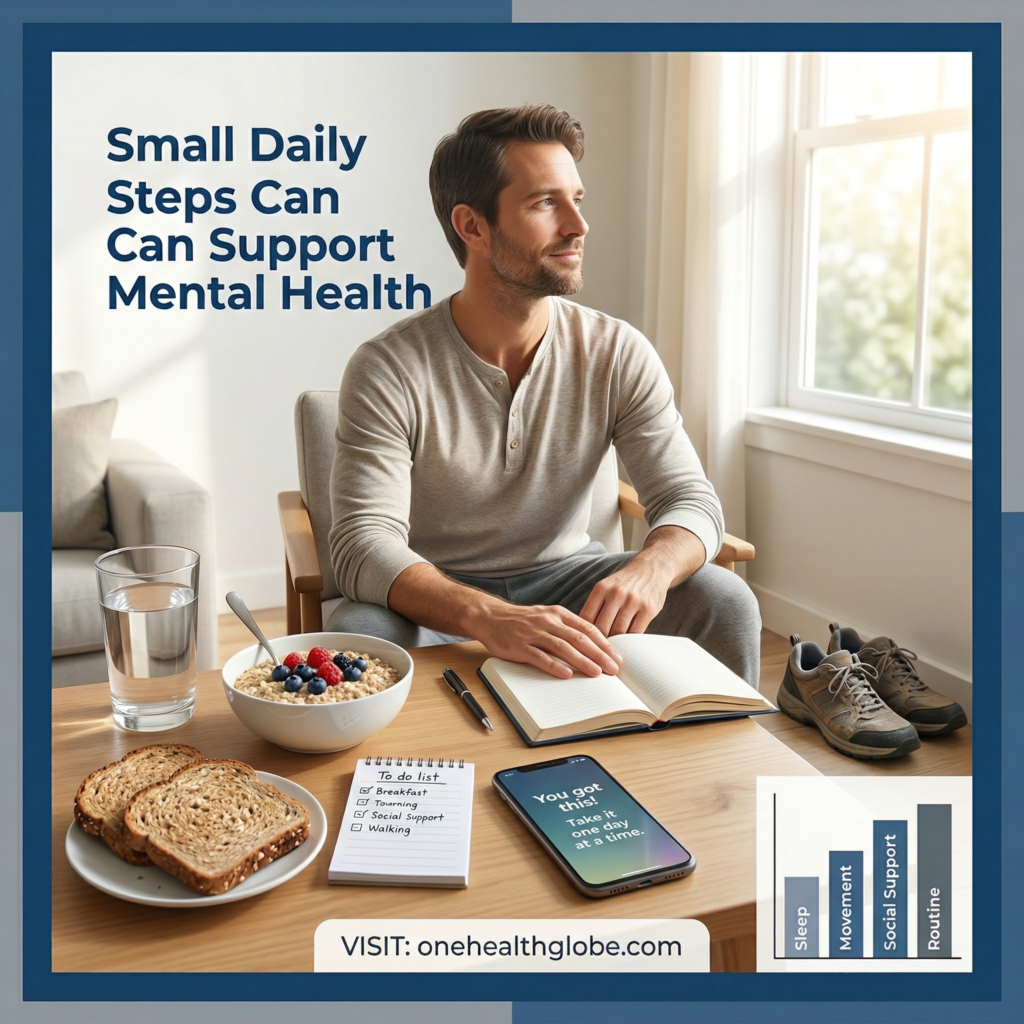
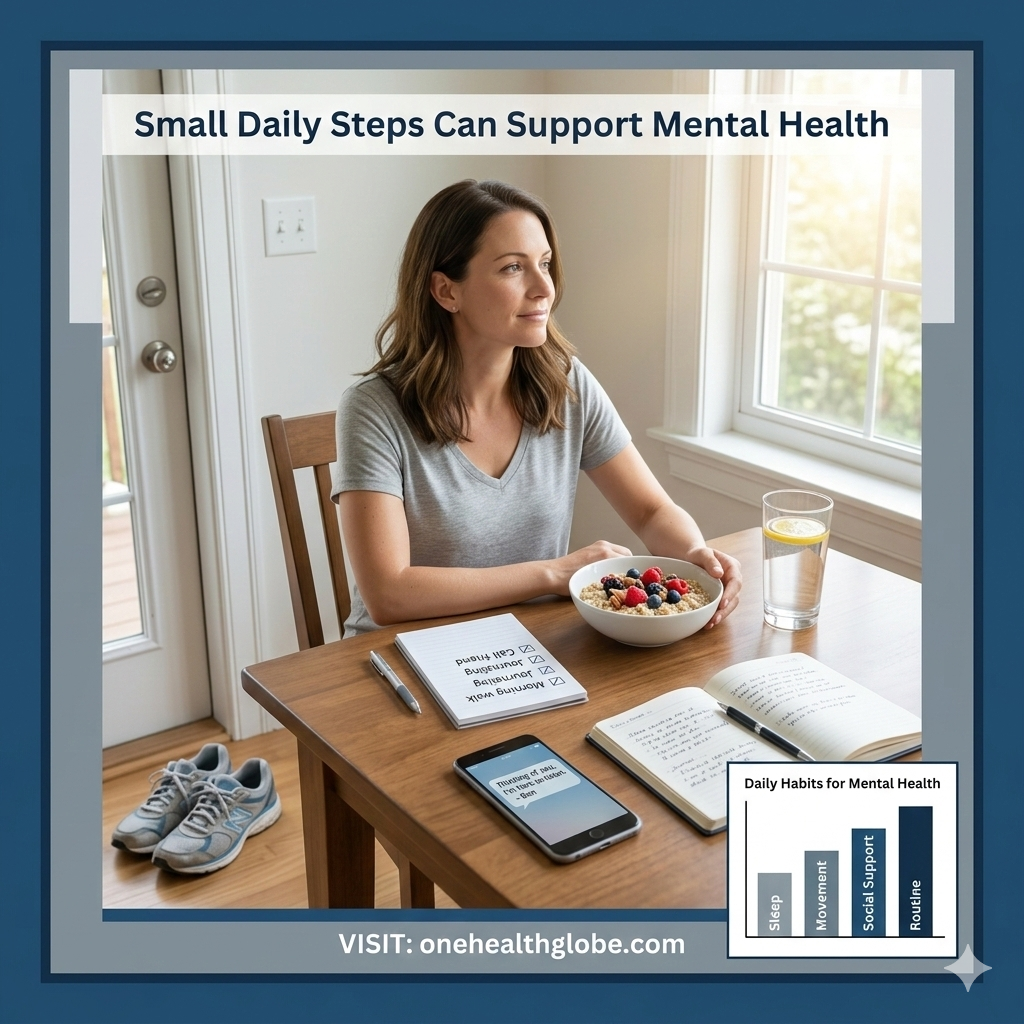
When depression feels heavy, large goals can feel impossible. So, start small. Wake up at the same time each day. Open a window. Take a shower. Make your bed. Eat one balanced meal. A simple structure can reduce mental overload and create a sense of control. Health experts also recommend basic self-care because it supports recovery and daily functioning.
Use movement to lift mood
Gentle physical activity can help mental health. You do not need intense exercise. A 10 to 20 minute walk, stretching, or light home movement is a strong starting point. The NHS notes that exercise and a healthy diet can make a real difference during depression recovery. A simple stretching routine with tools that support mobility, such as Bodyotics wellness accessories, may help some people build a regular habit.
Protect sleep and rest
Depression often disrupts sleep. Poor sleep can then worsen mood, energy, and concentration. Try keeping your bedtime consistent, reducing late-night screen time, and avoiding too much caffeine late in the day. A calming wind-down routine also helps. Some people enjoy warm baths or recovery rituals with products like Coach Soak as part of a healthy evening routine. Disturbed sleep is a common depression symptom, so improving sleep habits matters.
Stay connected, even a little
Depression often makes people withdraw. Yet even small social contact can help. Send one message. Talk to one trusted friend. Sit with family for tea. Human connection can reduce isolation and remind you that support exists. If you enjoy writing thoughts or gratitude notes, simple journaling with tools from Hieno Supplies may also help you express feelings more clearly.
Reduce pressure and negative self-talk
Do not expect instant results. Recovery is often gradual. Speak to yourself kindly. Replace “I am failing” with “I am taking one step today.” Depression commonly involves hopelessness, low self-worth, and poor concentration, so self-compassion is not weakness. It is part of healing.
Know when to seek professional help
Self-help can support mental health, but it may not be enough on its own. The U.S. National Institute of Mental Health advises seeking professional help when severe or distressing symptoms last two weeks or more, especially if sleep, appetite, concentration, daily tasks, or enjoyment of life are affected. If symptoms are worsening, talk with a qualified mental health professional. Visit One Health Globe for more wellness content, and use the contact page to stay connected with your platform. Some people also benefit from supportive self-care purchases such as relaxation tools for home wellness when stress and sensory overload are part of their daily struggle, but these should never replace professional treatment.
A final reminder
If you have thoughts of self-harm or suicide, seek urgent help from local emergency services, a crisis helpline, or a trusted person immediately. Depression is treatable, and reaching out is a strong step, not a weak one. WHO notes that effective psychological treatment exists, and treatment choices depend on age and severity.
Keep Regular Visiting https://onehealthglobe.com/ FOLLOW PAGE FOR MORE https://web.facebook.com/onehealthglobe/ #OneHealth #AnimalSafety #PublicHealth #ZoonoticDiseases #PetSafety #FamilySafety #FoodSafety #RabiesPrevention #HealthyCommunities #HealthSecurity