Deep Sleep and Learning: Why Rest Makes the Brain Smarter
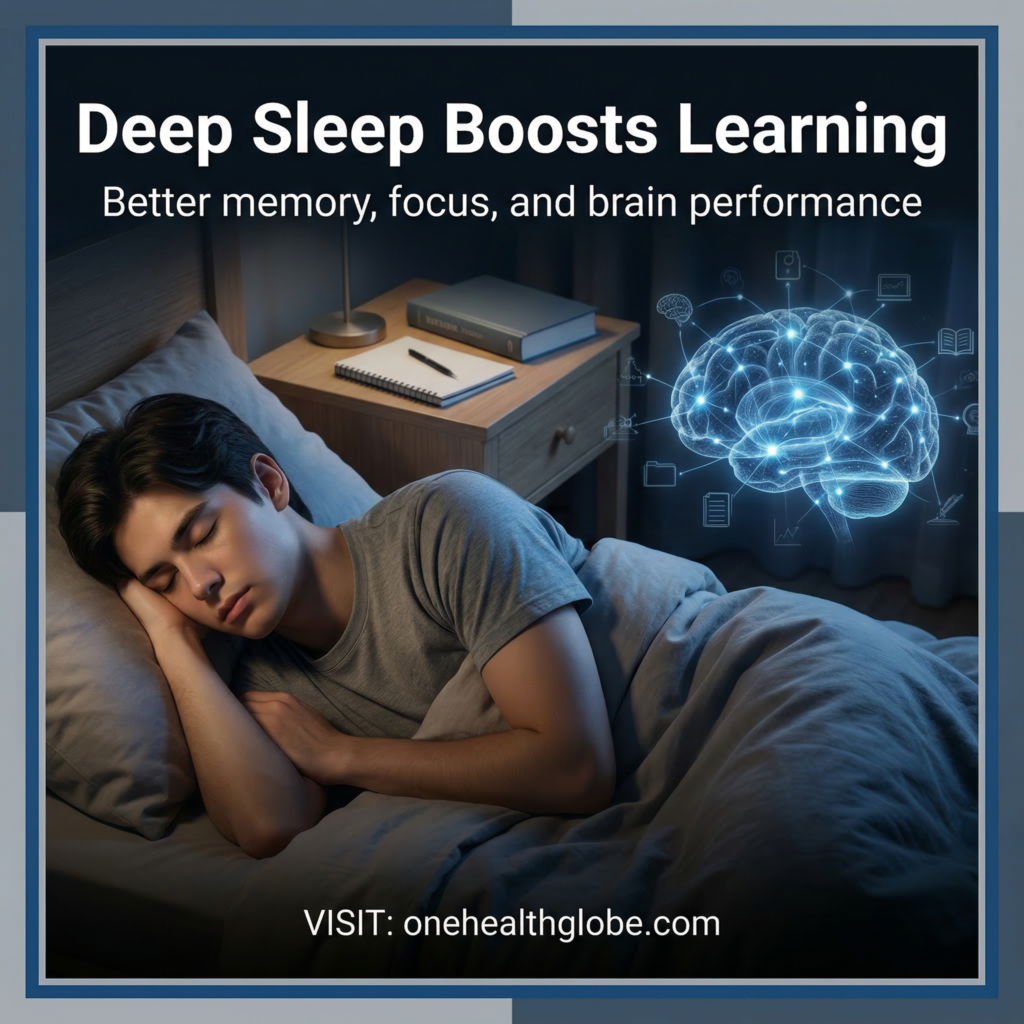
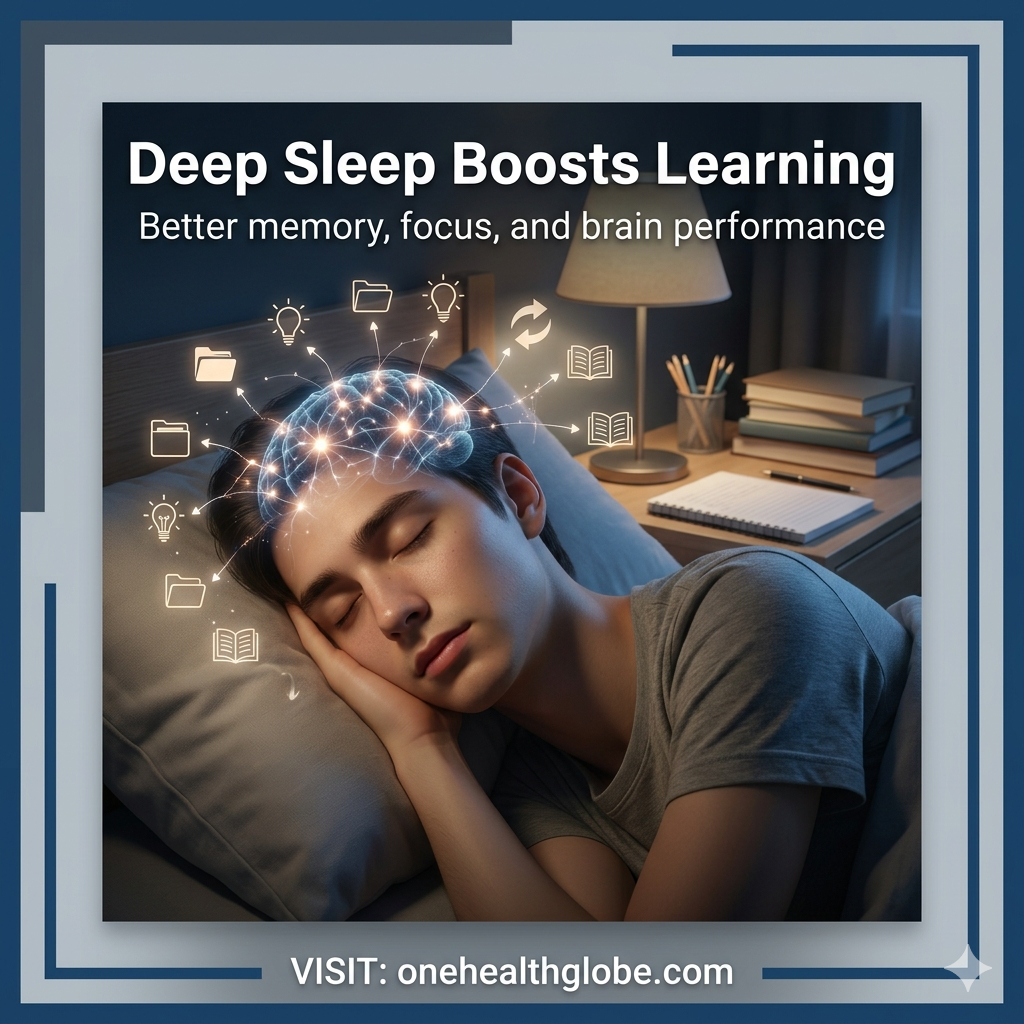
Deep sleep and learning are closely connected. Many people think learning happens only while reading, listening, or practicing. In reality, the brain continues working after study time ends. During quality sleep, especially deep sleep, the brain strengthens important memories, filters useless information, and prepares itself for better focus the next day. That is why healthy sleep should be seen as a study tool, not just a rest period.
Deep sleep is the slow-wave stage of non-REM sleep. This stage helps the brain recover and process new information. When a student studies during the day, the brain stores fresh material in a temporary way. Later, during sleep, the brain starts organizing and stabilizing that material. As a result, lessons become easier to remember and skills become easier to use. If you regularly study hard but sleep poorly, your results may stay weaker than expected.
How Deep Sleep Supports Memory
One major benefit of deep sleep and learning is memory consolidation. This means the brain turns fragile new information into stronger long-term memory. Facts, concepts, and even physical skills can improve when sleep comes soon after learning. That is why students who sleep well after revision often perform better than those who stay awake too long. For more health-based learning tips, visit One Health Globe and keep building habits that support both mind and body.
Deep sleep also helps attention. When the brain is tired, concentration becomes weak, reading speed drops, and mistakes increase. In contrast, a well-rested brain is calmer and more efficient. This matters for school children, university students, office workers, and anyone trying to learn a new skill. Even simple daily tasks become easier when sleep is protected.
Why Poor Sleep Hurts Deep Learning
When people cut sleep to study longer, they often damage the exact process they are trying to improve. Sleep loss can reduce alertness, weaken concentration, and make new information harder to retain. It can also affect mood, patience, and decision-making. So, although late-night studying may feel productive, it may actually reduce next-day performance. Better results usually come from structured study sessions followed by proper rest.
This is also important for children. Healthy bedtime routines can support better emotional regulation, stronger focus, and improved classroom engagement. Parents trying to improve sleep conditions may explore calming support products such as Baby Deep Sleep for child sleep support, or sensory comfort tools from Gafly where appropriate for family routines.
Simple Habits That Improve Deep Sleep and Learning
Good learning outcomes do not depend on sleep alone, but sleep is one of the strongest foundations. A regular bedtime is helpful because the brain works best with a stable rhythm. Reducing late caffeine, limiting screen exposure before bed, and keeping the bedroom dark and quiet can also support deeper rest. In addition, hydration matters during the day, so wellness-focused options like Echo Water may fit naturally into a healthier routine.
A calm body can also support a calm mind before sleep. Some adults may prefer evening relaxation habits such as stretching, warm bathing, or recovery-focused self-care. Products like Coach Soak or mobility-friendly wellness tools from Bodyotics may help create a more restful end to the day. For study organization itself, useful learning materials from Hieno Supplies can make revision more structured and less stressful.
Sleep Is Part of Smart Study Strategy
Deep sleep and learning should be planned together. Strong education is not only about longer hours. It is about better brain recovery, stronger memory, and repeated healthy routines. If learners, parents, and teachers start treating sleep as a key part of education, performance can improve in a more natural and sustainable way. Science continues to show that the sleeping brain is not inactive. It is busy protecting what you learned and preparing you to learn again.
So the next time you want to improve memory, focus, or study performance, do not only ask what to read next. Also ask whether your sleep routine is helping or hurting your brain. If you want health-focused education content or support for your website strategy, visit our contact page. For broader public-health information on sleep and student wellness, review expert guidance from CDC sleep guidance and research-based sleep education from Harvard Sleep Medicine.
Keep Regular Visiting https://onehealthglobe.com/ FOLLOW PAGE FOR MORE https://web.facebook.com/onehealthglobe/ #OneHealth #AnimalSafety #PublicHealth #ZoonoticDiseases #PetSafety #FamilySafety #FoodSafety #RabiesPrevention #HealthyCommunities #HealthSecurity