Home › Cat breeds
Cat Breeds Comparison: Vet Guide to 8 Popular US Cat Breeds and a Breed Finder (2026)

Written by Dr. Asad Ali, DVM, RVMP (PVMC 4544) · Medically reviewed by Dr. Muhammad Usama, DVM, RVMP (PVMC 9472) · Updated November 13, 2026
This guide contains affiliate links, marked “sponsored”. If you use them, we may earn a commission at no extra cost to you. Affiliate Disclosure
- Match activity and attention needs first. Bengals, Siamese and Sphynx want lots of play and company; Ragdolls, British Shorthairs and Persians are calmer.
- Then check grooming, voice, kids and other pets, allergies and indoor space. Use the cat breed finder below.
- No cat is truly hypoallergenic. Some breeds are better tolerated, but spend time with the cat first.
- Most popular US cat breeds (CFA, 2026 list): Maine Coon, Ragdoll, Persian, Exotic, Devon Rex, Abyssinian, British Shorthair, Siberian, American Shorthair and Russian Blue.
A cat is a commitment of 15 years or more, so the breed you choose shapes a long daily routine. Pedigreed and non-pedigreed cats both have tendencies worth knowing, but every cat is an individual, so treat breed traits as likely, not guaranteed. This hub compares eight cat breeds that are popular in the US and links to our full veterinarian-written guide for each one.
Cat breed finder: filter 8 breeds by lifestyle
Tap a lifestyle or type a breed name. Each card opens our full temperament, health and care guide for that breed.
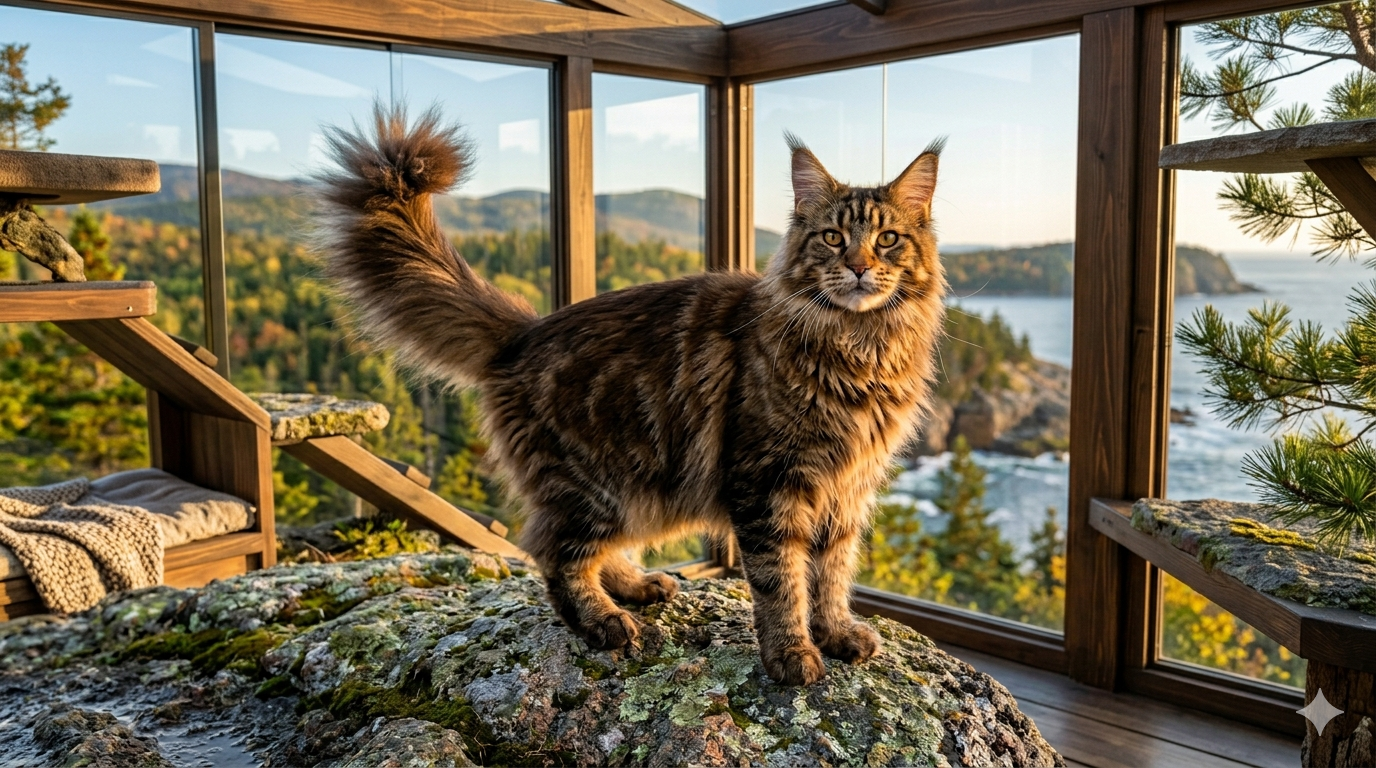 Maine CoonFriendly gentle giant; good with kids and dogs. Screen for heart disease.LargeMedium energy
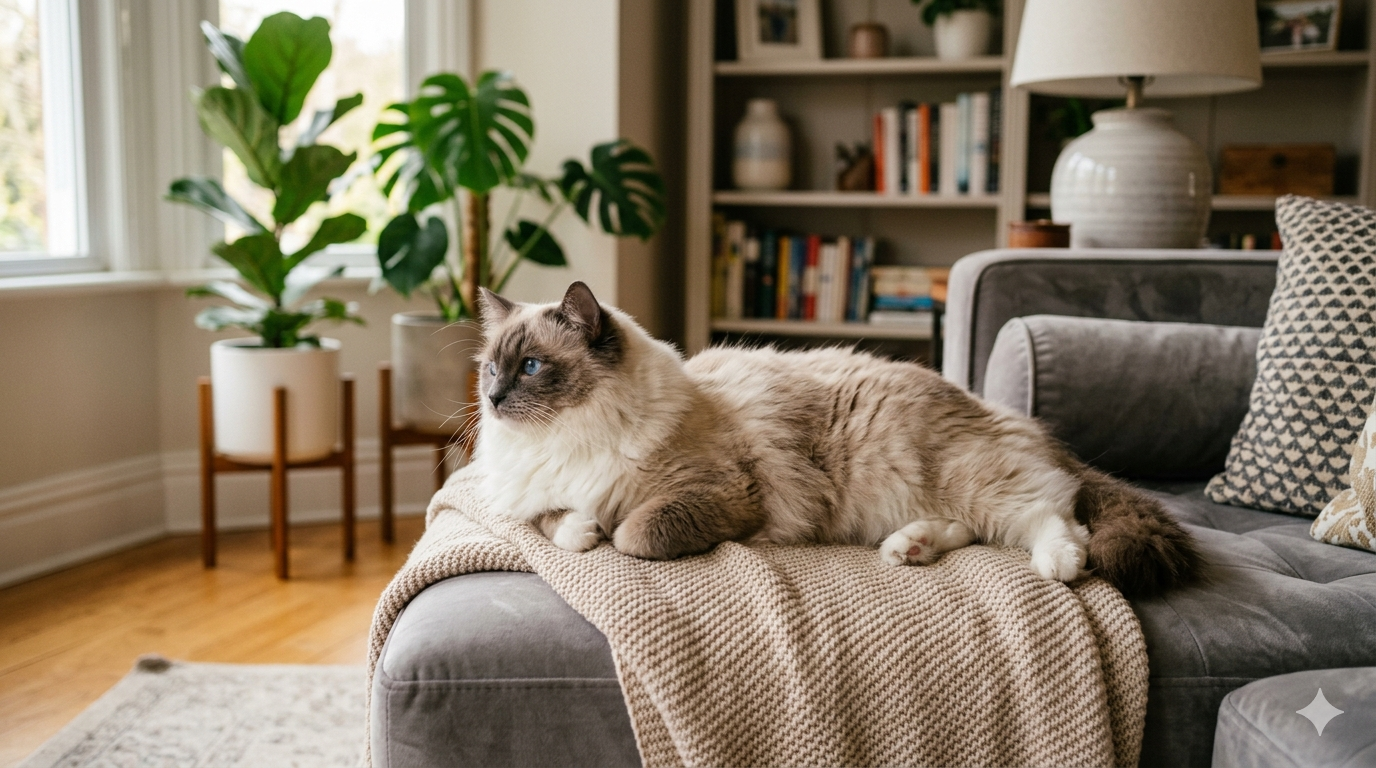 RagdollRelaxed lap cat with blue eyes in four patterns; an easy family pick.LargeLow energy
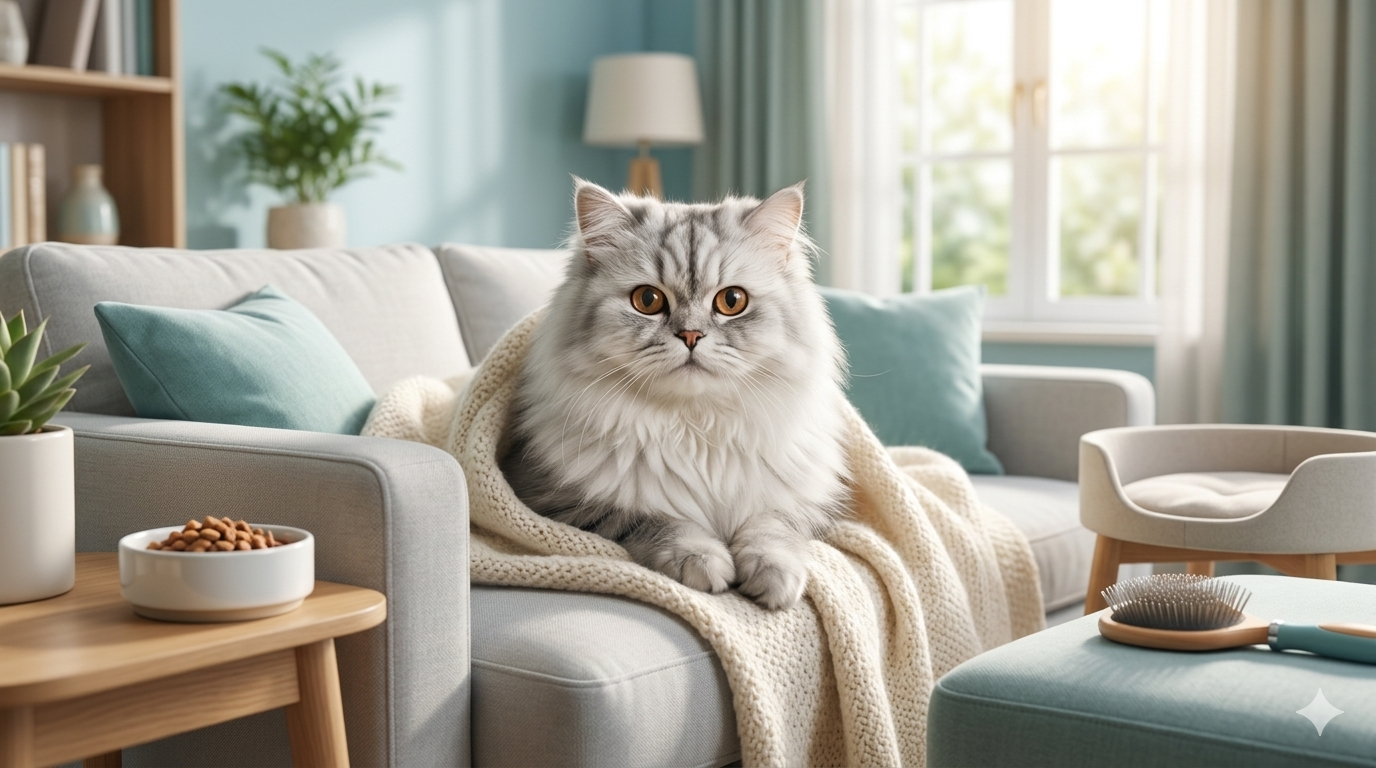 PersianCalm, gentle indoor cat; daily brushing and a flat face to manage.MediumLow energy
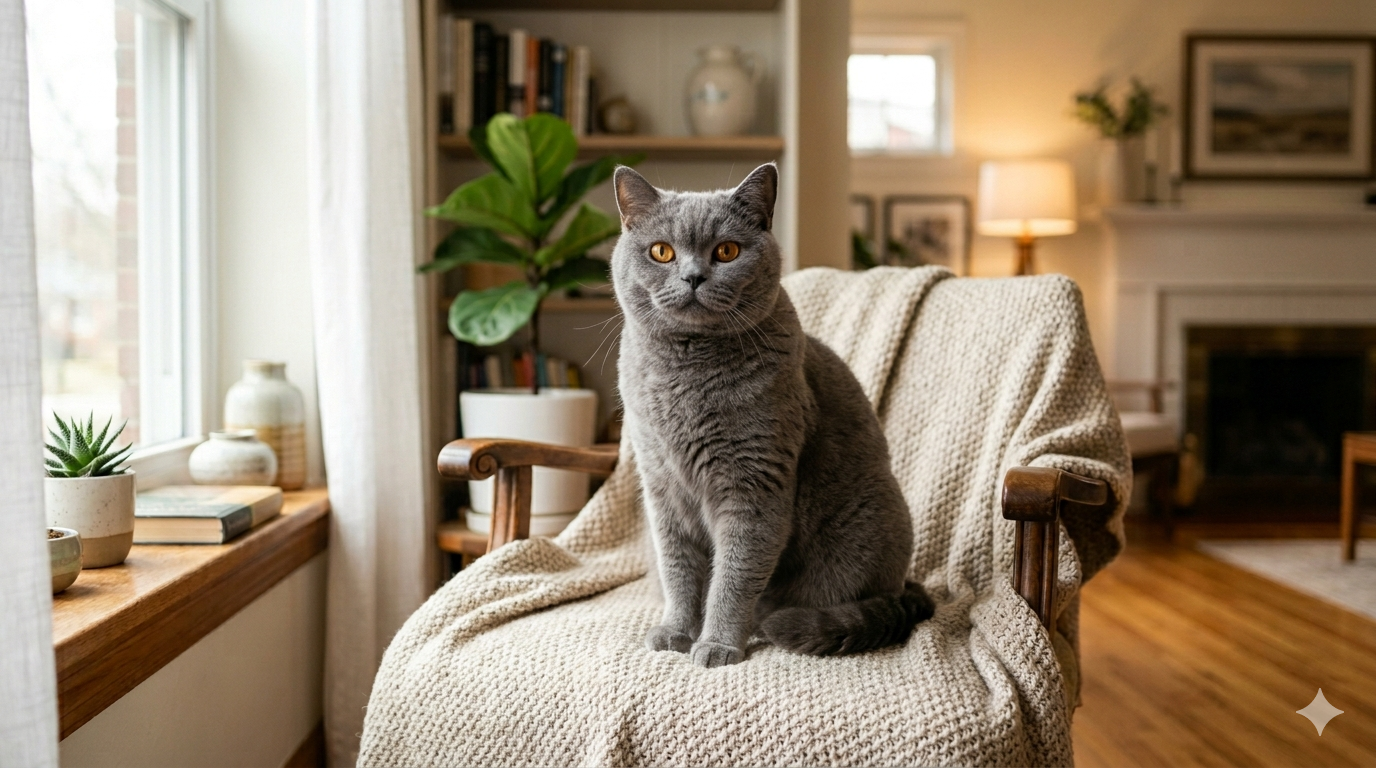 British ShorthairPlush, calm and independent; content when you’re at work.Medium–largeLow energy
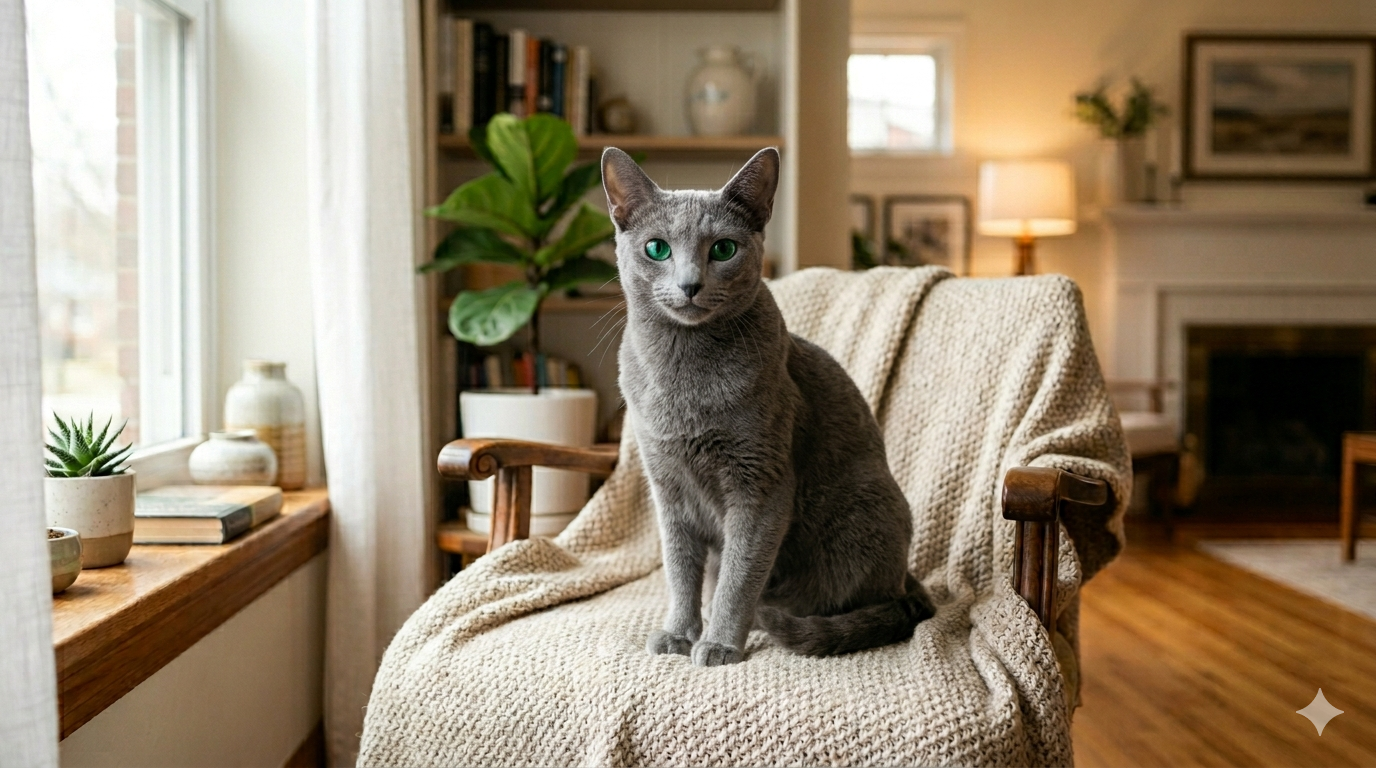 Russian BlueGentle and reserved with strangers; sheds little.MediumMedium energy
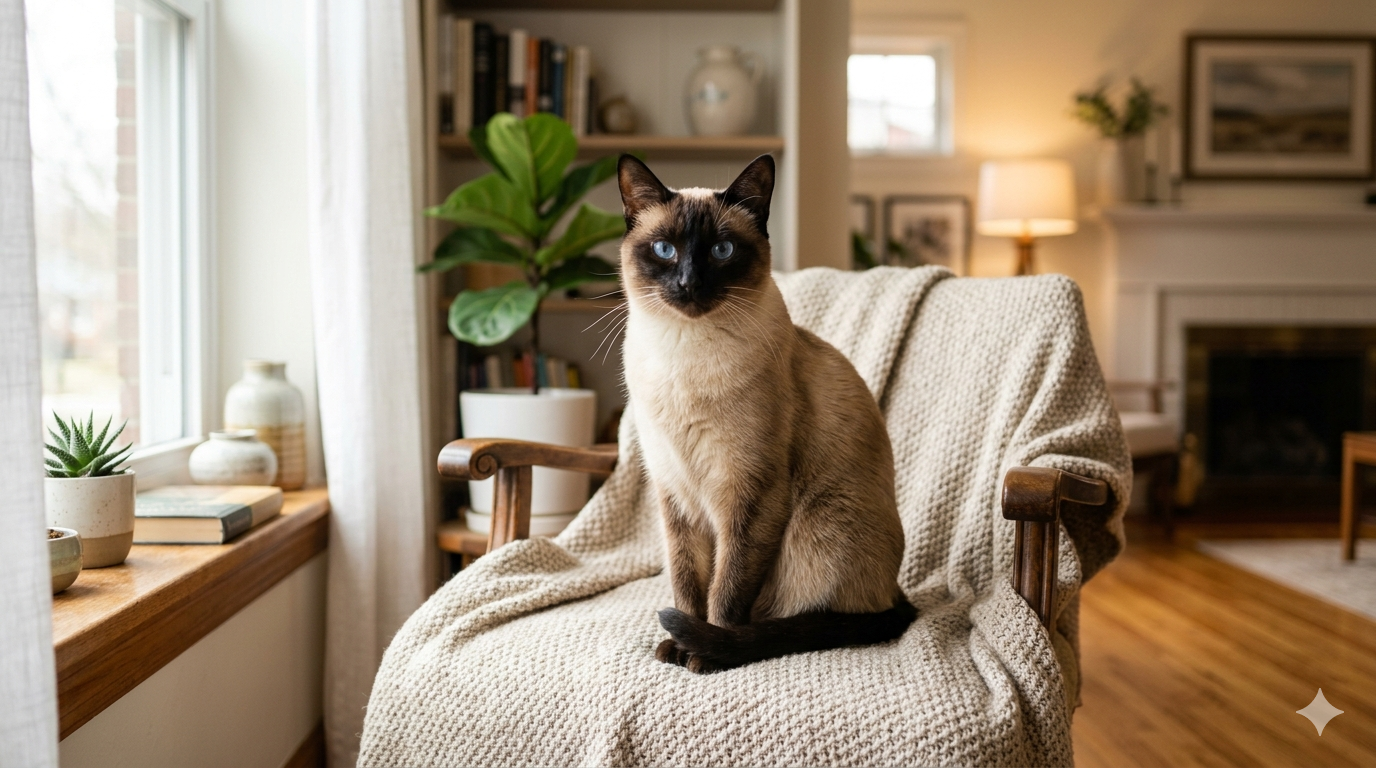 SiameseChatty, devoted and people-focused; hates being alone all day.MediumHigh energy
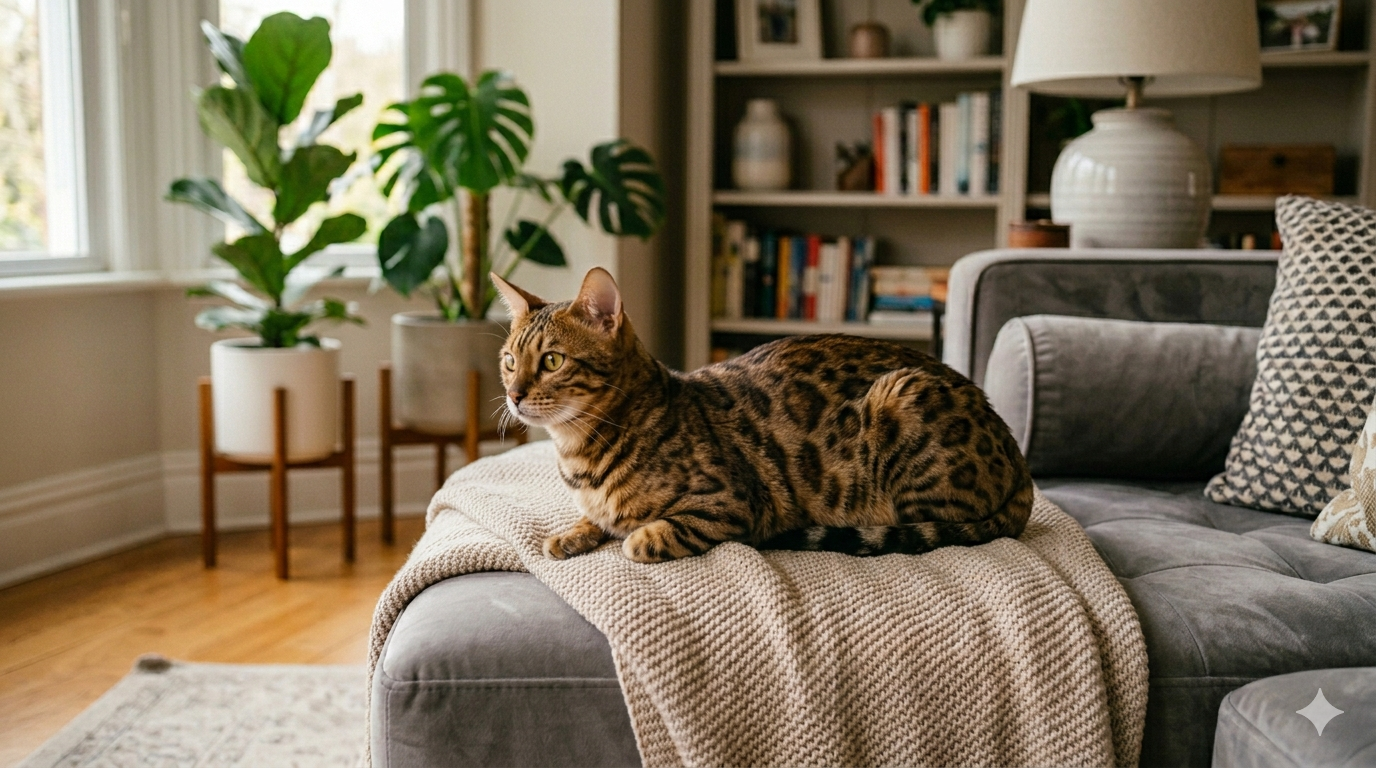 BengalAthletic and clever; needs climbing, play and puzzle feeding daily.MediumVery high energy
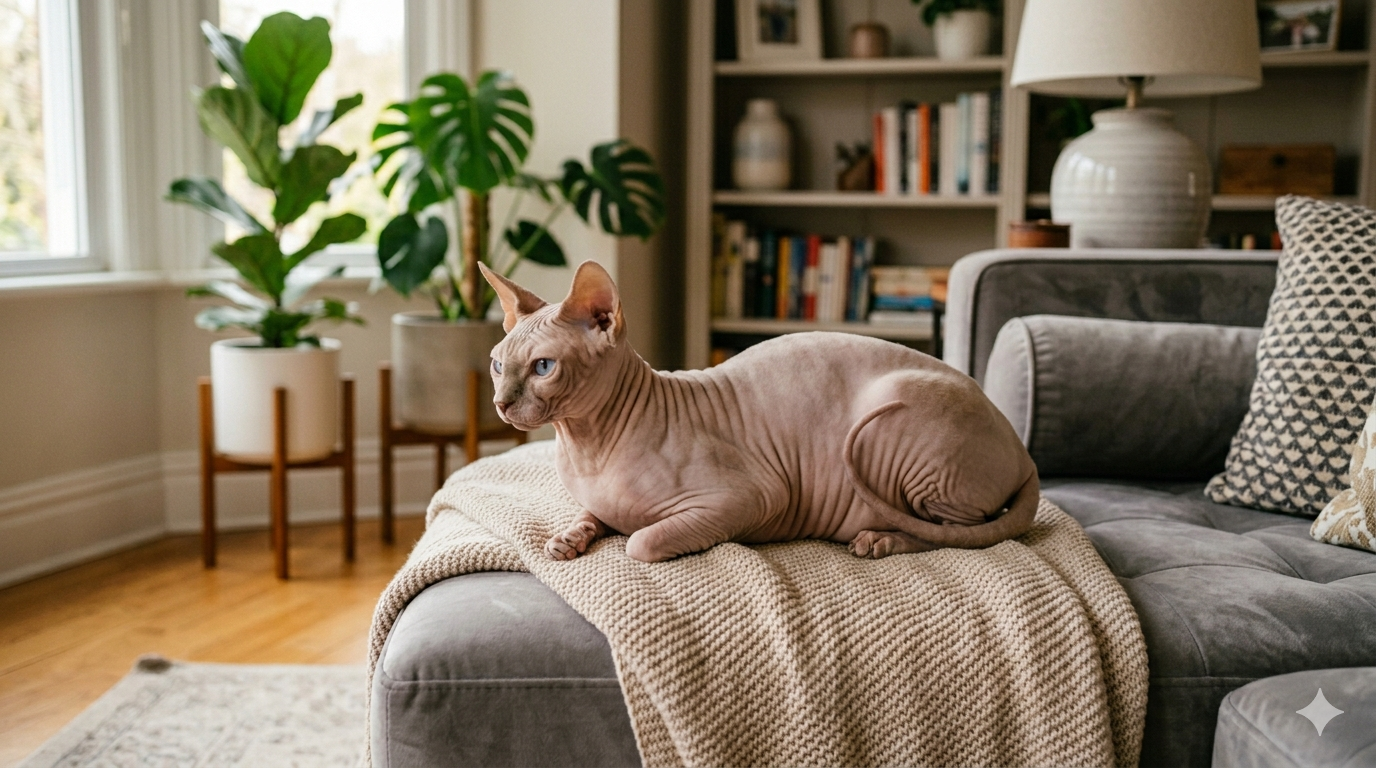 SphynxHairless, warm and clingy; oily skin needs regular bathing.MediumHigh energy
Cat breeds compared: size, energy, grooming and voice
All eight breeds side by side. “First-time fit” reflects how forgiving the breed usually is for a new cat owner. Scroll sideways on a phone.
| Breed | Size | Energy | Grooming | Voice | First-time fit |
|---|---|---|---|---|---|
| Maine Coon | Large | Medium | Medium–high | Chirpy, moderate | Yes |
| Ragdoll | Large | Low | Medium | Quiet | Yes |
| Persian | Medium | Low | High (daily) | Quiet | With grooming time |
| British Shorthair | Medium–large | Low | Low–medium | Quiet | Yes |
| Russian Blue | Medium | Medium | Low | Quiet | Yes |
| Siamese | Medium | High | Low | Very vocal | With time at home |
| Bengal | Medium | Very high | Low | Moderate–high | No |
| Sphynx | Medium | High | Weekly baths | Moderate | With care |
Most popular cat breeds in the US (CFA 2026 list)
The Cat Fanciers’ Association publishes its most popular breeds each spring, based on the prior year’s registrations. On the list published in April 2026, the Maine Coon held No. 1 for the second consecutive year. The Devon Rex has been the most popular shorthaired breed for five years, and the American Shorthair returned to the top 10. Fittingly, a Maine Coon won the first major US cat show in 1895.
| Rank | Breed | Our guide |
|---|---|---|
| 1 | Maine Coon | Maine Coon temperament |
| 2 | Ragdoll | Ragdoll temperament |
| 3 | Persian | Persian cat temperament |
| 4 | Exotic (Exotic Shorthair) | See Persian guide (same body type) |
| 5 | Devon Rex | Coming soon |
| 6 | Abyssinian | Coming soon |
| 7 | British Shorthair | British Shorthair temperament |
| 8 | Siberian | Coming soon |
| 9 | American Shorthair | Coming soon |
| 10 | Russian Blue | Russian Blue guide |
Popular does not mean right for your home. The Persian and Exotic, both in the top 4, have flat faces that bring breathing, eye and dental issues, so read the health section before you buy.
How to choose a cat breed: 7 factors vets look at
- Behavior and attention. Think about your lifestyle, the ages of family members and how much time the home is occupied. Siamese, Tonkinese and Sphynx cats crave company; British Shorthairs, Russian Blues and Korats are more independent. Savannahs and Korats are natural hunters with strong play drive.
- Activity level. Abyssinians, Devon Rex, Bengals and Somalis are busy, curious cats that need daily play, climbing and puzzle feeders. Calmer breeds still need play, just less of it. See our safe toys for indoor cats.
- Size. Maine Coons and Norwegian Forest cats are large and strongly built, while the Khao Manee and Ocicat are smaller, leaner and athletic. Big cats need bigger litter boxes, sturdier cat trees and larger carriers.
- Grooming and coat length. Longhaired breeds such as Persians need brushing at least once a week, and usually daily, to prevent matting. Short coats need less, and the hairless Sphynx needs regular bathing because of oily skin. Our cat grooming guide covers each coat type.
- Voice. Siamese and Tonkinese cats are vocal; British Shorthairs and Turkish Vans are usually quiet.
- Environment. Decide on indoor-only living or safe outdoor access, such as a catio or harness walks, and look at the size and layout of your home. Scottish Folds and Sphynx suit indoor life, while active Bengals benefit from safe outdoor stimulation; see how to harness-train a cat.
- Health and cost. Some breeds carry inherited diseases that need screening and lifelong care. Read the health section below before you choose.
Best cat breeds by lifestyle
Best cat breeds for families with kids
The Ragdoll and Maine Coon are gentle, tolerant family cats. Sociable breeds such as the La Perm and American Wirehair also suit young families. Teach children to let the cat approach them and to leave it alone when it walks away. Our pet safety checklist for families with kids helps.
Best cat breeds for apartments and indoor life
The British Shorthair, Persian, Ragdoll and Russian Blue are calm indoor companions. Every indoor-only cat needs indoor enrichment: vertical space, scratching posts, window perches and two short play sessions a day. Use our indoor cat safety checklist.
Best active and playful cat breeds
The Bengal, Siamese, Sphynx, Abyssinian and Devon Rex love play, fetch and training. Some US cities restrict ownership of Bengals and other hybrid-origin cats, so check local rules. Plan a daily routine with our cat activity calendar.
Cat breeds for people with allergies
The Siberian, Russian Blue, Sphynx, Devon Rex, Cornish Rex, Balinese, Javanese, Oriental Shorthair, Burmese and Tonkinese are often listed as “hypoallergenic”, but that only means some people tolerate them better. Fel d 1 is in saliva and dander as well as hair, and levels differ from cat to cat. Visit the cat several times, keep the home clean, ask your vet about an allergen-reducing cat food and see an allergy specialist if symptoms are strong.
Quiet and low-maintenance cat breeds
The British Shorthair, Russian Blue and Ragdoll are quiet and easy to care for, which makes them good choices for seniors and busy professionals. Russian Blues and British Shorthairs are prone to weight gain, so measure meals.
Cat breeds that get along with dogs
The Maine Coon and Ragdoll are known for tolerating cat-friendly dogs. With any breed, introduce pets slowly, give the cat high escape routes and feed separately. If you are getting a kitten and will be out a lot, two kittens raised together often keep each other busy.
Choosing a breed, or already have a new kitten?
Talk to a licensed US vet by video about breed health risks, vaccine schedules and screening tests before you buy or adopt.
Ask an online vetAffiliate link. Read our Dutch online vet review first. For emergencies, go to the nearest emergency vet.Mixed breeds, shelter cats and cat DNA tests
Most cats in US homes and shelters are non-pedigreed Domestic Shorthair, Domestic Medium Hair or Domestic Longhair cats. They come in every color and personality, adapt to most homes and are less likely to carry the inherited diseases concentrated in some pedigreed breeds. Originally working cats that hunted mice, they still need an outlet for that energy indoors. An adult cat from a shelter comes with a known personality, which takes the guesswork out of choosing. Start with our pet adoption starter guide.
Curious what your mixed cat is made of? A cat DNA test estimates breed ancestry and screens for some inherited diseases. Compare options in Basepaws vs Wisdom Panel, read about Basepaws breed and health test cost, or check Basepaws test prices.
Cat breed health problems vets look for
- Hypertrophic cardiomyopathy (HCM) thickens the heart muscle. It is a concern in Maine Coons, Ragdolls, Sphynx and British Shorthairs. DNA tests exist for some breed-specific mutations, and heart ultrasound screening is used by careful breeders.
- Brachycephalic (flat-faced) breeds such as the Persian and Exotic are prone to breathing trouble, runny eyes and crowded teeth. See our cat dental disease guide.
- Polycystic kidney disease (PKD) runs in Persians and related breeds; a DNA test can identify carriers. Learn the signs in our cat kidney disease guide and keep cats drinking with our cat hydration guide.
- Hip dysplasia and spinal muscular atrophy are screened for in Maine Coons. Older large cats often develop arthritis; see signs of osteoarthritis in cats and our Solensia cost and arthritis care options.
- Scottish Folds have a cartilage and bone disorder caused by the same gene that folds their ears, so many vets advise against choosing the breed.
- Sphynx cats lack a protective coat, so they can get sunburn and feel the cold, and need regular skin care.
- Siamese cats are prone to dental disease, so start tooth brushing early.
Whatever the breed, cats need yearly wellness exams, core vaccines, parasite prevention and dental care. Watch for urinary problems in indoor cats with our FLUTD guide, and compare treatment costs in our cat medication alternatives guide.
Before you bring your new cat home
- Plan the first weeks with our new kitten planner.
- Set up the litter area with our cat litter box precautions; for large breeds such as Maine Coons, see the best self-cleaning litter box for large cats.
- Remove toxic plants, especially lilies: lily toxicity in cats.
- Plan feeding with our automatic feeder guide for indoor cats.
- Track shots with the pet vaccine tracker.
Common mistakes when choosing a cat breed
- Choosing a high-energy Bengal or Siamese for a home that is empty all day.
- Getting a Persian without time for daily grooming.
- Believing any breed is fully hypoallergenic.
- Buying from a seller who can’t show health screening of the parents.
- Choosing a Scottish Fold for its ears without understanding the bone disorder.
- Spend time with adult cats of the breed.
- Buy only from a reputable breeder who shares HCM, PKD and other screening results.
- Consider an adult shelter cat with a known personality.
- Budget for lifelong vet care, not just the purchase price.
- Book a first vet visit within days of bringing the cat home.
Questions to ask a breeder, shelter or your vet
Ask the breeder
- Can I meet the mother cat and see where the kittens are raised?
- Which screening tests (heart scans, DNA tests for PKD or HCM) have the parents had?
- Will you take the cat back at any age if things don’t work out?
Ask the shelter or rescue
- How does this cat react to children, dogs and other cats?
- Does it use the litter box reliably?
- What medical history, vaccines and FIV/FeLV test results are known?
Ask your vet
- Which inherited problems is this breed prone to, and what do they cost to manage?
- Which vaccines and parasite prevention does an indoor cat need?
- What adult weight should this cat be?
Cat breed FAQs
What is the most popular cat breed in the US?
The Maine Coon. In the Cat Fanciers’ Association list published in April 2026, based on the prior year’s registrations, the Maine Coon was No. 1 for the second consecutive year, followed by the Ragdoll, Persian, Exotic and Devon Rex.
How do I choose the right cat breed?
Match the breed to your home rather than to looks. Think about how much time someone is home, the ages of family members, other pets, indoor-only or outdoor access, how much grooming you can do, how much noise you like, any allergies and the breed’s known health risks. Then meet adult cats of the breed and ask your vet about screening tests.
What is the best cat breed for families with kids?
Gentle, tolerant breeds such as the Ragdoll and Maine Coon are classic family cats, and sociable breeds such as the La Perm and American Wirehair also suit young families. An adult cat from a shelter with a known calm, people-friendly personality can be an even safer choice than a kitten.
What is the best cat breed for first-time owners?
Easygoing breeds such as the Ragdoll, British Shorthair, Russian Blue and Maine Coon are forgiving for beginners. A shelter Domestic Shorthair with a known personality is also an excellent first cat. Avoid starting with very high-energy breeds such as the Bengal unless you have time for daily play.
Are there hypoallergenic cat breeds?
No. There is no such thing as a completely hypoallergenic cat. The main allergen, Fel d 1, is found in saliva, skin, hair and dander, and levels vary between individual cats. Breeds such as the Siberian, Russian Blue, Sphynx, Devon and Cornish Rex, Balinese and Oriental Shorthair are often better tolerated. Spend time with the cat before you adopt and talk to an allergy specialist.
What cat breeds are best for apartments?
Calm, lower-energy breeds such as the Ragdoll, British Shorthair, Persian and Russian Blue adapt well to apartments. Any cat kept indoors needs indoor enrichment such as climbing space, scratching posts, window perches and daily play.
Which cat breeds are the most vocal, and which are quiet?
The Siamese and Tonkinese are famously talkative. The British Shorthair, Turkish Van, Ragdoll, Persian and Russian Blue are usually quieter. The Maine Coon is known more for chirps and trills than loud meowing.
Which cat breeds have the most health problems?
Flat-faced (brachycephalic) breeds such as the Persian and Exotic are prone to breathing, eye and dental problems, and Persians carry a risk of polycystic kidney disease. Hypertrophic cardiomyopathy, a heart disease, is a concern in Maine Coons, Ragdolls, Sphynx and British Shorthairs. Scottish Folds have a cartilage and bone disorder linked to the gene that folds their ears. Ask a breeder for the parents’ screening results.
Are mixed-breed cats healthier than purebred cats?
Domestic Shorthair, Medium Hair and Longhair cats come from a much wider gene pool, so they are less likely to carry the inherited diseases concentrated in some pedigreed breeds. They still need regular checkups, vaccines, dental care and a healthy weight.
How many cat breeds are there?
The Cat Fanciers’ Association recognizes 45 pedigreed breeds, and other registries recognize different numbers. Most cats in US homes and shelters are non-pedigreed Domestic Shorthair, Medium Hair or Longhair cats.
Can a DNA test tell me my cat’s breed?
Yes, to a degree. Cat DNA tests compare your cat’s DNA with breed reference groups and can screen for some inherited conditions, such as polycystic kidney disease and certain heart disease mutations. Results for mixed cats are estimates, so discuss any health finding with your vet.
Sources
- Cat Fanciers’ Association. Most popular breeds for 2026 (April 22, 2026). CFA
- FirstVet. Choosing the right cat breed for you. FirstVet
- PetMD. 12 “hypoallergenic” cats for people with allergies (reviewed by Barri J. Morrison, DVM; updated February 16, 2026). PetMD
Written by Dr. Asad Ali, DVM, RVMP
DVM, The Islamia University of Bahawalpur. Registered with the Pakistan Veterinary Medical Council (no. 4544), with 10+ years in pet care. Not licensed to practice in the United States.

Reviewed by Dr. Muhammad Usama, DVM, RVMP
Founder of One Health Globe. DVM, The Islamia University of Bahawalpur; master’s in Zoology. PVMC license no. 9472; not licensed to practice in the United States. Full profile