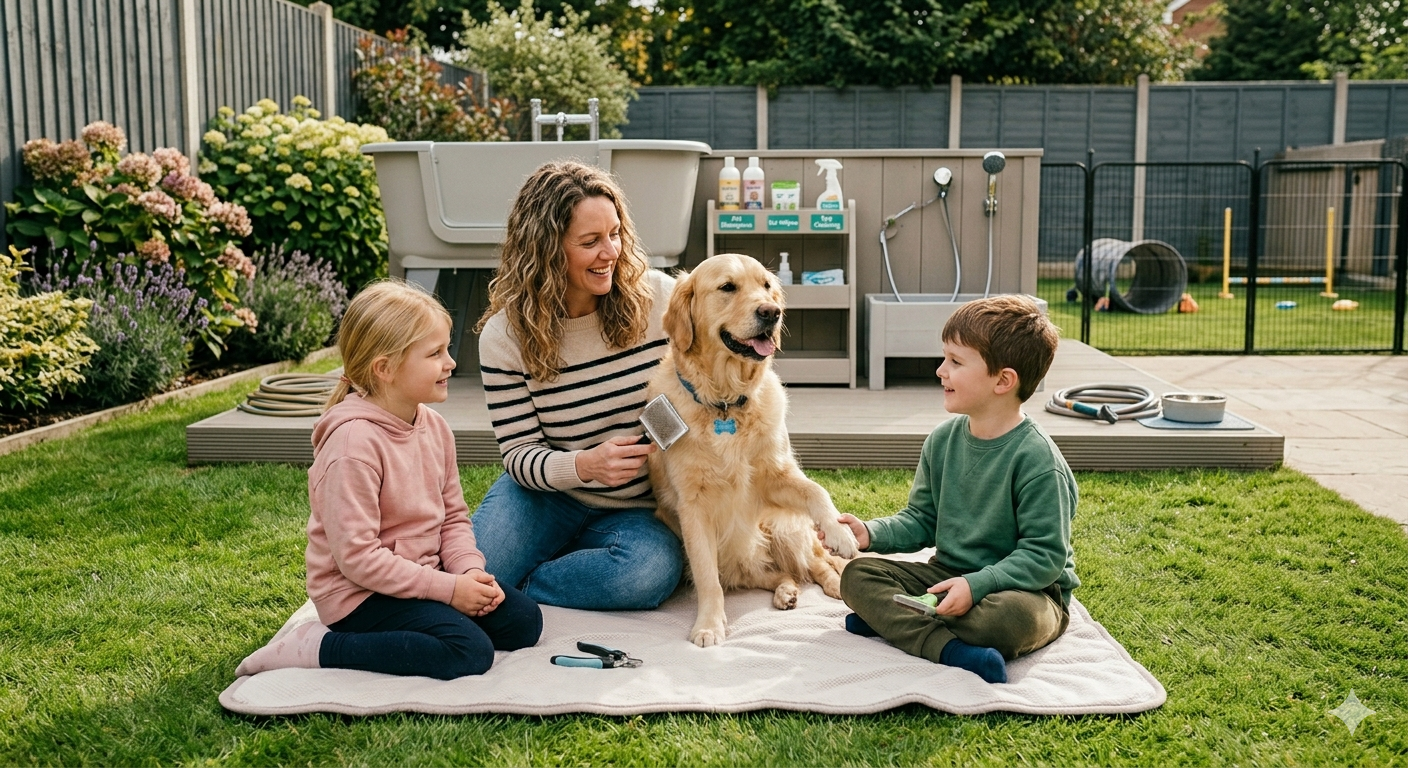
Dog grooming at home does more than reduce shedding. The ASPCA and AVMA both link regular grooming to earlier detection of lumps, skin infections, parasites, and dental disease — all conditions that cost far more to treat when caught late. This guide gives you a practical, repeatable routine that works even for handling-averse dogs. For more tools, visit our Pet Safety Hub and Pet Vaccine Tracker.
1. Complete Dog Grooming Frequency Schedule
The right frequency depends on coat type, age, activity level, and health status. Use this as your baseline:
| Task | Frequency | Why It Matters |
|---|---|---|
| Coat brushing (short) | 1–2× per week | Removes loose fur, distributes oils, checks for lumps |
| Coat brushing (long/double) | Daily | Prevents matting — mats cause skin sores and pain |
| Nail trimming | Every 2–4 weeks | Overgrown nails alter gait and increase spine stress |
| Ear check and clean | Monthly | Prevents bacterial and yeast infections |
| Eye wipe | 2–3× per week | Prevents tear staining and discharge buildup |
| Teeth brushing | Daily ideally / 3× min | AVMA: 80% of dogs show periodontal disease by age 3 |
| Full bath | Every 4–6 weeks | Over-bathing strips coat oils — medicated dogs bathe more |
| Water bowl wash | Daily | CDC recommendation — biofilm grows within hours |
| Bedding wash | Weekly | Reduces allergens, bacteria, and mite buildup |
Regular brushing and bathing only go so far. If your dog’s coat is still dull or their skin is dry and itchy after consistent grooming, the problem is often internal — a nutritional gap in their daily kibble. Read our full Ruff Greens review to see if it’s the missing piece for your dog’s coat and skin health.
2. Quick Dog Bathing Guide by Coat Type
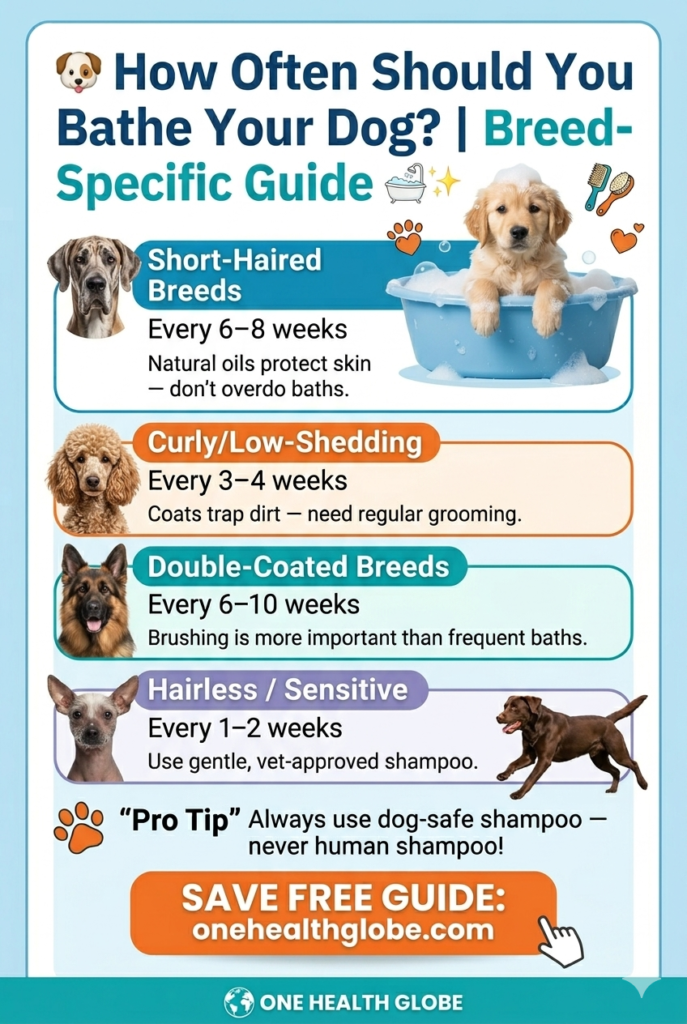
Bathing frequency varies significantly by breed. Use this overview before diving into the breed-by-breed section below:
3. Breed-by-Breed Bathing Guidelines
A breed-specific bathing routine protects skin health far more effectively than a one-size-fits-all approach. Scroll through to find your dog’s coat type:
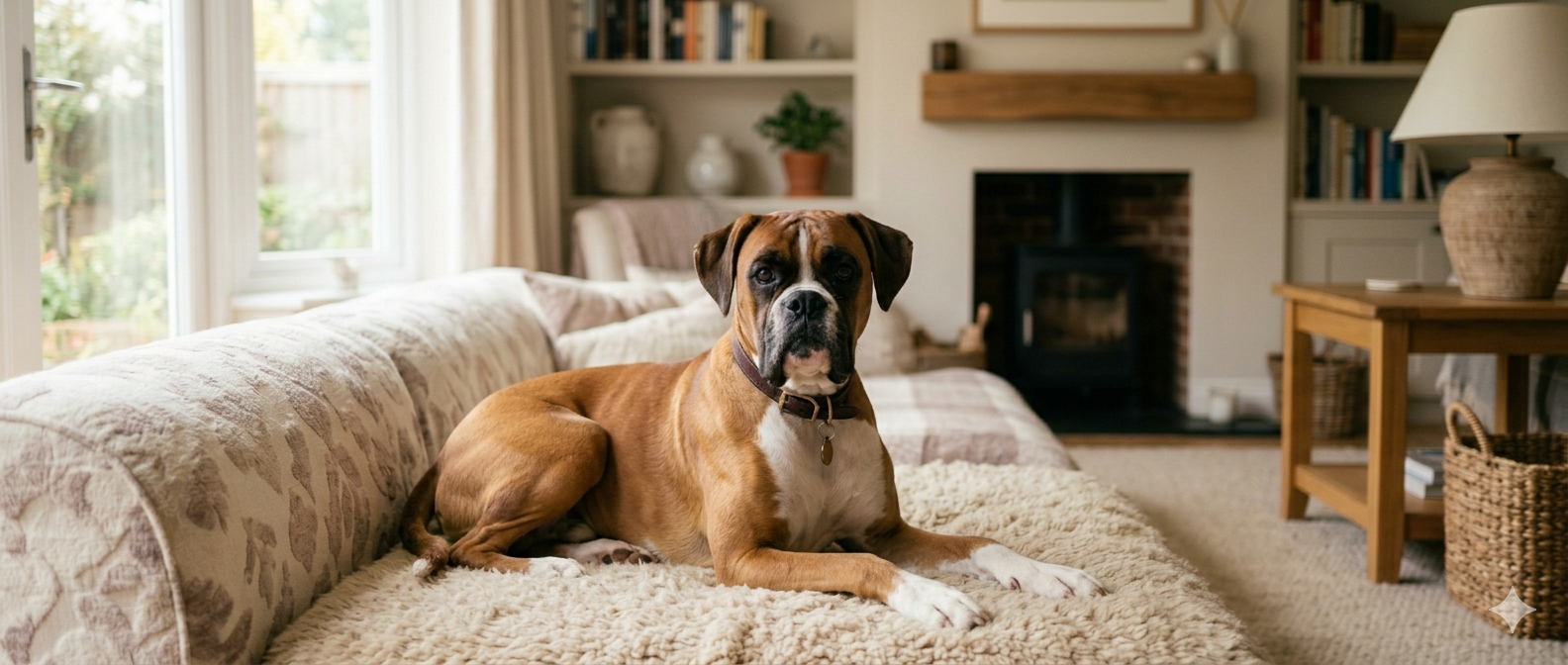
Boxer
Every 6–8 weeks with gentle dog shampoo. Focus on skin comfort — wrinkle areas need drying after bathing.
Open Boxer guide →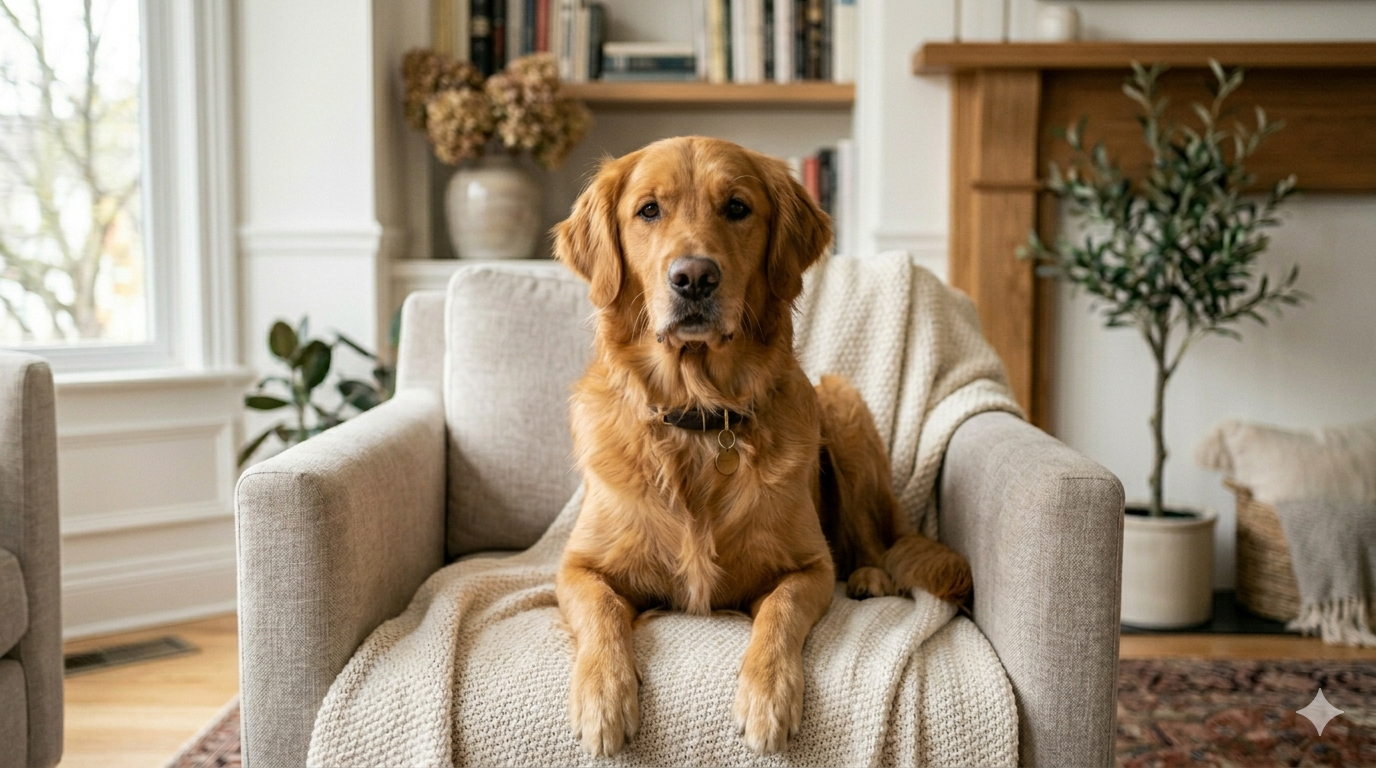
Golden Retriever
Every 6–8 weeks. Brush before bathing to prevent mats. Thorough drying essential — damp undercoat causes hot spots.
Open Golden Retriever guide →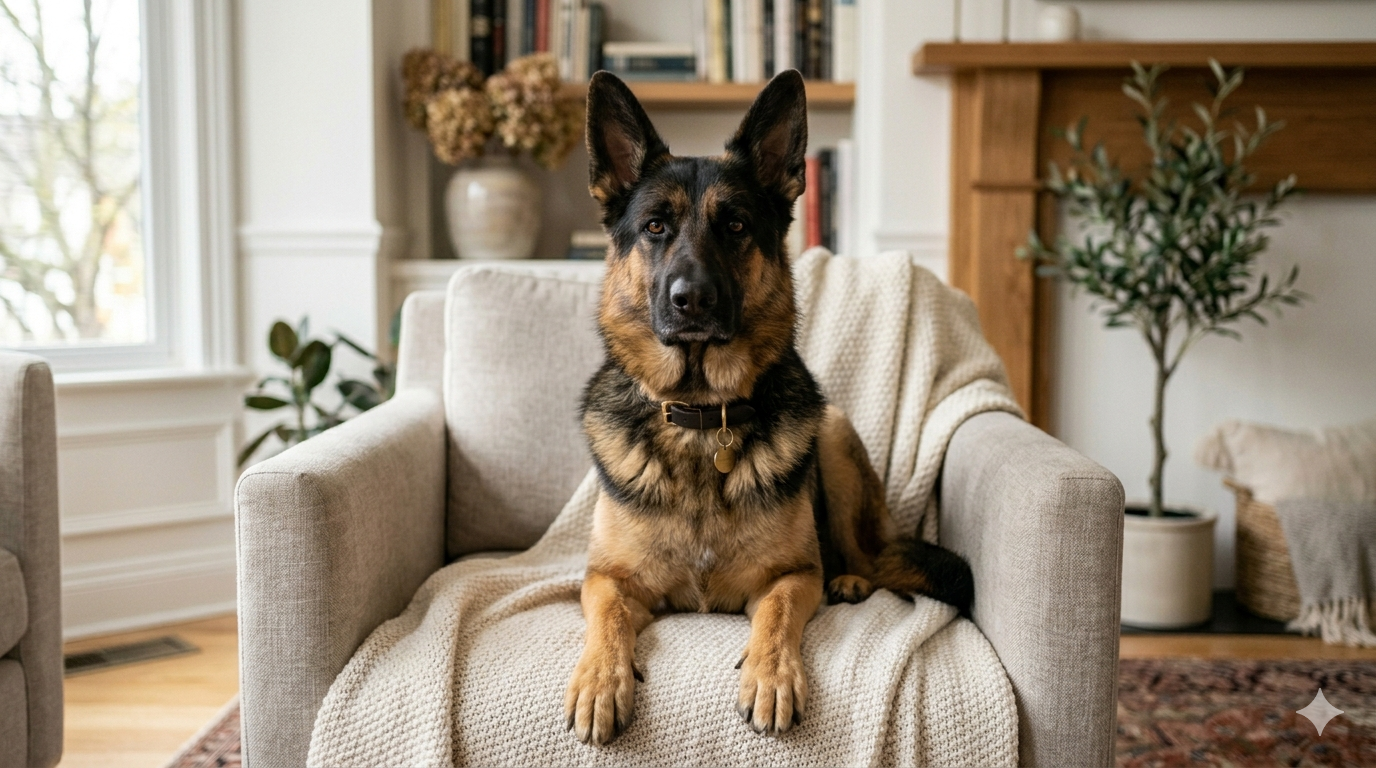
German Shepherd
More brushing than bathing. Every 6–10 weeks max. Over-bathing strips natural oils and worsens shedding season.
Open German Shepherd guide →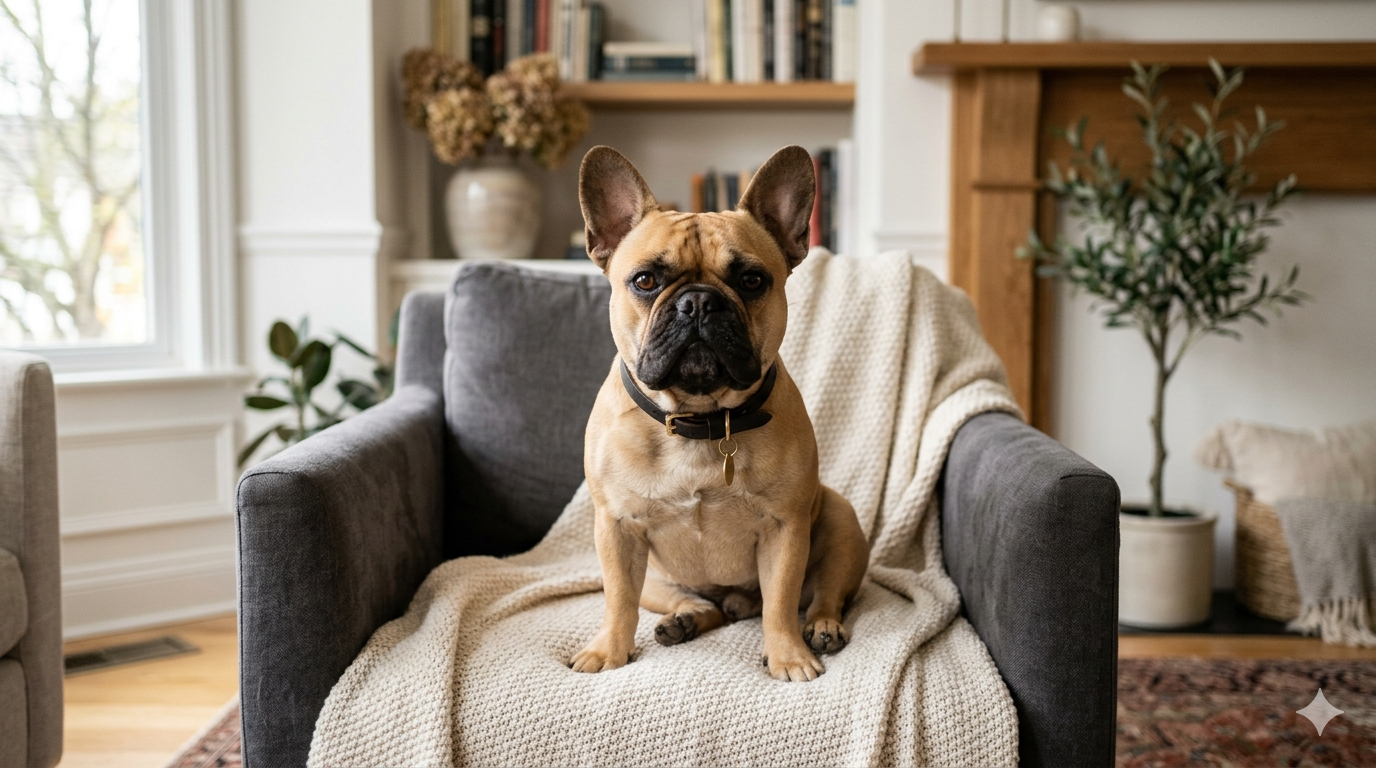
French Bulldog
Full bath every 4–6 weeks. Clean and fully dry facial folds weekly — trapped moisture causes yeast infections.
Open French Bulldog guide →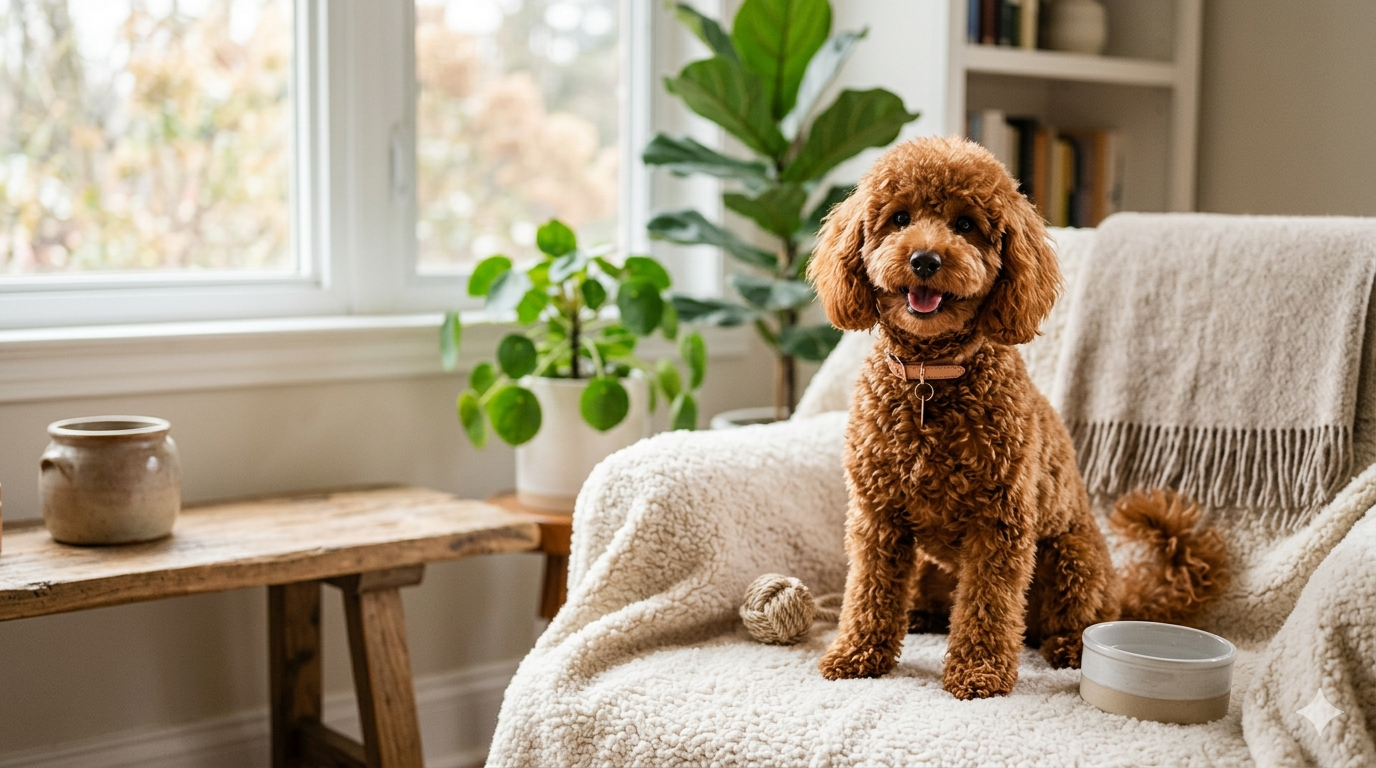
Miniature Poodle
Every 3–6 weeks. Curls trap dirt and moisture. Brush before bathing — wet mats tighten and become impossible to remove.
Open Miniature Poodle guide →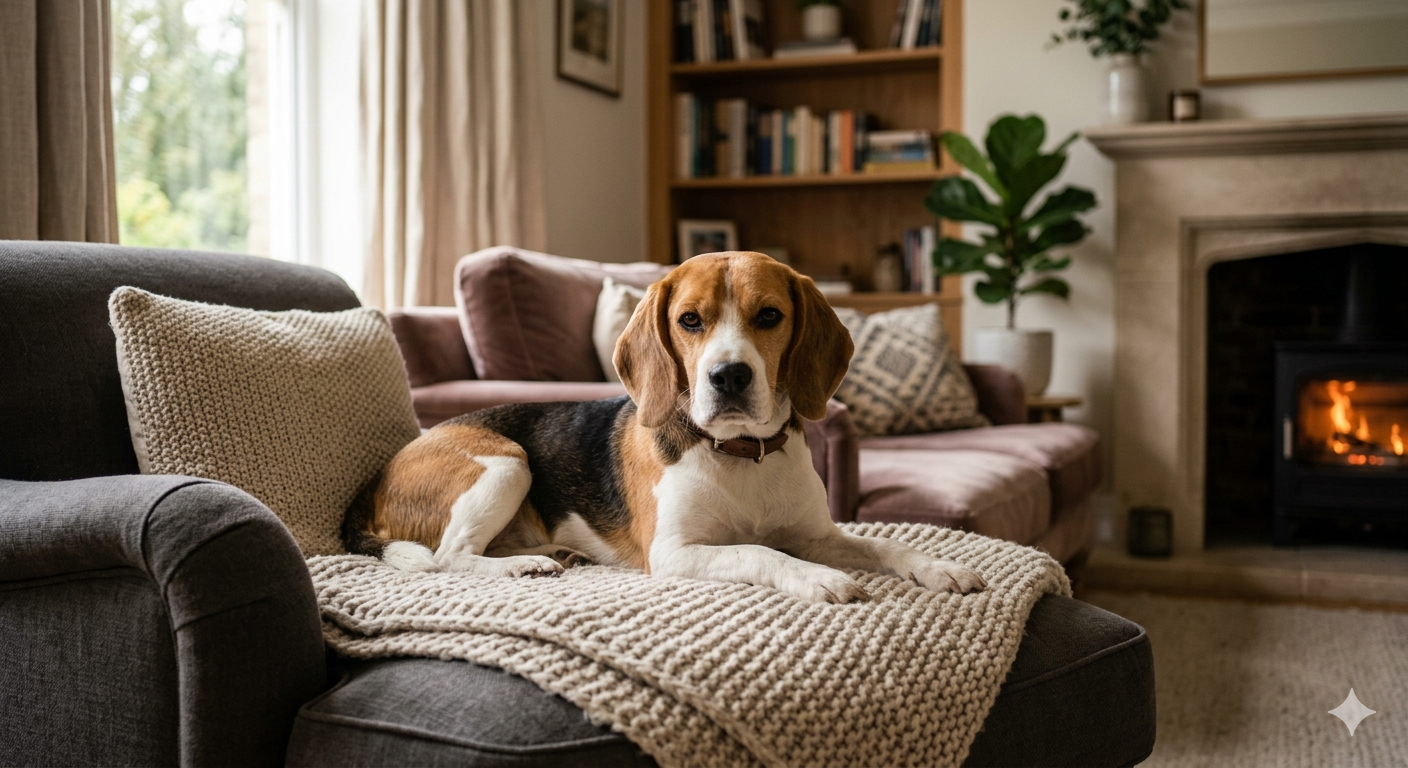
Beagle
Every 6–8 weeks plus paw and belly wipe after outdoor walks. Check floppy ears monthly — prone to moisture buildup.
Open Beagle guide →4. Bathing Guidelines & Precautions by Coat Type
How often should short-haired dogs be bathed?
- Use a gentle dog-safe shampoo — never human shampoo
- Spot-clean between baths to reduce over-washing
- Check wrinkle areas during every bath — dry thoroughly
How often should curly or low-shedding breeds be bathed?
- Always brush before bathing — wet mats tighten
- Dry the coat completely — damp curls cause skin issues
- Professional trim every 6–8 weeks maintains coat health
How often should double-coated breeds be bathed?
- Use an undercoat rake before bathing to remove dead undercoat
- Rinse extremely thoroughly — shampoo residue causes itching
- Never shave a double coat — it causes permanent damage
What about wrinkle-prone or sensitive-skin breeds?
- Clean folds with a damp cloth — dry completely every time
- Avoid fragranced products — they irritate sensitive skin
- Red, odorous, or moist folds need a vet visit — not just cleaning
When should active outdoor dogs get extra baths?
- Rinse off mud, sand, or fertilizer residue promptly
- Check paws for trapped debris, cuts, or grass seeds after every walk
- Dry paws, ears, chest, and belly carefully after wet activity
Important Bathing Precautions
- Brush mats out before bathing — wet mats tighten permanently
- Use lukewarm water — hot water causes skin irritation in dogs
- Rinse until water runs completely clear — no shampoo residue
- Dry ears, folds, paws, and dense coats completely after bathing
- Check skin after each bath for redness, bumps, or sore patches
- Visit the Pet Safety Hub for more daily home care guidance
5. Nail, Ear, Eye, and Dental Care
✂️ Nail Trimming
Trim every 2–4 weeks using sharp dog-specific clippers. Clip only the clear curved tip — avoid the pink quick. If you can hear nails clicking on hard floors, they’re overdue. Overgrown nails cause gait problems and joint stress.
👂 Ear Cleaning
Check monthly. Healthy ears are pale pink and odor-free. Use vet-approved ear cleaner and a cotton ball — never a cotton swab inside the canal. Dark discharge, strong odor, or head shaking = vet visit, not just cleaning.
🦷 Dental Care
Brush 3–5× per week with dog-safe enzymatic toothpaste. Never use human toothpaste — xylitol is toxic to dogs. The AVMA reports 80% of dogs show periodontal disease by age 3. Bad breath is a medical sign, not cosmetic.
Persistent dull coat, excessive shedding, or dry itchy skin despite a consistent grooming routine usually points to a nutritional gap — not a grooming problem. A quality skin and coat booster sprinkled on existing food can address this from the inside out. See our vet-reviewed recommendation.
6. Daily Hygiene Habits Checklist
- ✅ Brush coat on schedule that matches your dog’s coat type
- ✅ Check paws, ears, and skin during every grooming session
- ✅ Use dog-safe shampoo and enzymatic dental toothpaste only
- ✅ Keep nails short enough that they don’t click on hard floors
- ✅ Wash food and water bowls daily — biofilm grows within hours
- ✅ Wash bedding weekly on a hot cycle
- ✅ Wipe paws after every outdoor walk — check between toes
- ✅ Contact a vet if grooming reveals pain, strong odor, skin sores, or unusual lumps
🐾 Explore More Breed Guides
Compare coat type, grooming needs, and care demands across all 27 breed profiles.
Visit Dog Breeds Hub🛡 Build a Safer Daily Routine
Connect grooming support with your complete pet safety and home care resources.
Open Pet Safety Hub🌿 Best Dog Supplement Review
If grooming isn’t fixing your dog’s coat — the problem may be nutritional. Read our full review.
Read Ruff Greens Review🛒 Vet-Reviewed Grooming Products
Browse our curated list of grooming tools, shampoos, and coat care products.
Browse Products