New Kitten Planner: Week-by-Week Care, Feeding, and Vaccine Schedule
The definitive starter guide for first-time kitten owners. Stay organized with veterinarian-backed milestones, home setup checklists, feeding structures, litter training, and preventive vet planning.
Kitten Milestones: Week-by-Week Development
Swipe or scroll horizontally to understand the critical physical and behavioral changes your kitten will experience during their earliest developmental stages.
Core Kitten Care Categories
A quick-scan summary of the four pillars of raising a healthy kitten before diving into the detailed guides below.
First Week Home: New Kitten Checklist
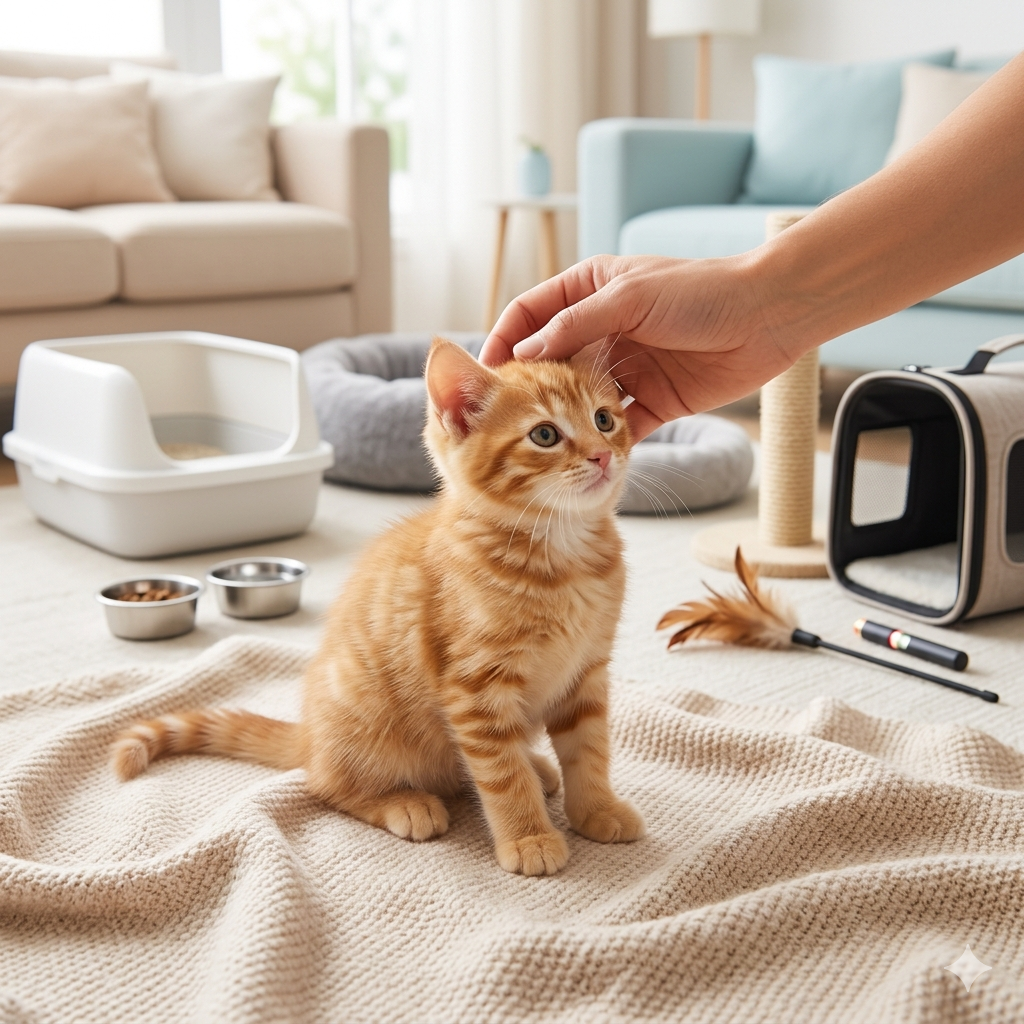
The first week sets the tone for your kitten’s life. A prepared home lowers stress, encourages proper litter habits, and provides a safe space to explore.
Essential Supply Checklist
- Comfortable cat bed in a warm, quiet room
- Sturdy carrier for safe travel and vet visits
- Premium kitten food with shallow, whisker-friendly bowls
- Low-entry litter box paired with unscented litter
- Sisal scratching post or horizontal scratch pad
- Safe interactive toys (like feather wands)
- Covered hideaway space for a sense of security
Home Safety Basics
- Store human medicines and chemical cleaners securely
- Remove toxic houseplants (e.g., lilies, aloe)
- Secure windows, balconies, and tight risky spaces
- Hide or wrap electrical cords and blind strings
- Separate food, water, and litter stations clearly
- Schedule an initial wellness exam with a veterinarian
Veterinarian-Guided Kitten Feeding Plan
Nutritional needs shift dramatically as kittens grow. Younger kittens require frequent, small meals, transitioning to a structured routine to prevent obesity later in life.
| Age Range | Primary Dietary Focus | Feeding Frequency | Veterinary Advice |
|---|---|---|---|
| 0–4 weeks | Mother’s milk or formula | Every 2-4 hours (if bottle feeding) | Requires specific kitten milk replacer; strict warmth monitoring is essential. |
| 4–8 weeks | Weaning transition | Small, soft meals 4-5 times daily | Mix wet kitten food with formula to create a highly digestible gruel. |
| 8–12 weeks | Complete kitten diet | 3–4 measured meals per day | Provide a balanced, AAFCO-approved formula specifically for kittens. |
| 3–6 months | Rapid growth support | 3 measured meals per day | Monitor body condition score (BCS) to prevent overfeeding. |
| 6–12 months | Structured growth | 2–3 meals per day | Consult your vet regarding the optimal time to transition to adult maintenance food. |
Feeding Best Practices
- Keep fresh, clean water available in multiple locations.
- Always measure food to avoid free-feeding weight gain.
- Transition to new foods slowly over 7-10 days.
- Use puzzle feeders to simulate natural foraging.
Feeding Mistakes to Avoid
- Switching diets abruptly (causes gastrointestinal upset).
- Feeding adult cat formulas before 12 months.
- Offering cow’s milk (causes diarrhea).
- Ignoring sudden drops in appetite or energy.
Proven Kitten Litter Training Tips
Cats instinctively want to bury their waste. By providing an optimal, clean setup, you can virtually eliminate litter avoidance behaviors in healthy kittens.
The Perfect Litter Box Setup
- Choose a shallow, low-entry box for easy access.
- Opt for soft, unscented, clumping litter.
- Place the box in a low-traffic, quiet area.
- Never place the box next to food or water bowls.
- Rule of thumb: One box per cat, plus one extra.
Training & Hygiene Routine
- Place kitten in the box gently after naps and meals.
- Scoop solid waste at least once daily.
- Wash the box fully with mild soap every 2-4 weeks.
- Never punish accidents; clean them with an enzyme cleaner.
- Sudden bathroom changes warrant a vet visit.
Kitten Play Routine & Mental Enrichment
Play is how kittens learn to hunt, interact, and build confidence. Structured play prevents behavioral issues and strengthens the bond with their owner.
Daily Play Structure
- Aim for 2-3 short play sessions (10-15 mins) daily.
- Use wand toys to mimic birds or mice.
- Always let the kitten “catch” the toy eventually to prevent frustration.
- Feed a small meal immediately after play to complete the hunt-catch-eat cycle.
Environmental Enrichment
- Provide sturdy scratching posts (at least 3 feet tall).
- Install cat trees or window perches for vertical space.
- Rotate toys weekly to maintain novelty.
- Use cardboard boxes and paper bags for hide-and-seek.
Crucial Play Safety Rules
- Never use your hands or feet as toys (prevents biting habits).
- Store string, yarn, and hair ties out of reach.
- Stop play if the kitten starts panting excessively.
- Supervise play with mechanical or battery-operated toys.
Standard Kitten Vaccine Schedule
Protect your kitten against severe diseases. The AAHA/AAFP guidelines recommend starting core vaccines early, with boosters every 3-4 weeks until they reach 16 weeks of age.
| Kitten Age | Primary Veterinary Focus | Core Vaccines & Preventives |
|---|---|---|
| 6–8 weeks | Initial wellness & parasite exam | Start FVRCP series; administer initial deworming. |
| 10–12 weeks | Growth check & booster | 2nd FVRCP booster; discuss FeLV (Feline Leukemia) based on lifestyle. |
| 14–16 weeks | Final kitten boosters | Final FVRCP booster; Rabies vaccine (timing dictated by local law). |
| 1 Year Later | Annual adult preventive care | FVRCP and Rabies boosters; ongoing flea/tick/heartworm prevention. |
A Simple Daily Routine for New Owners
Morning Checklist
- Serve measured breakfast.
- Wash and refill water bowls.
- Scoop the litter box thoroughly.
- Engage in 10 minutes of active play.
Afternoon Check-in
- Provide a midday meal (if under 6 months).
- Allow for independent exploration.
- Practice gentle handling (touching paws/ears).
- Encourage use of scratching posts.
Evening Wind Down
- Serve the final structured meal.
- Conduct a pre-bedtime play session to burn energy.
- Do a final litter box scoop.
- Ensure they have access to a warm sleeping spot.
Frequently Asked Questions
When should my new kitten first see the vet?
You should schedule an initial veterinary exam within the first 48 to 72 hours of bringing your kitten home, ideally around 6 to 8 weeks of age. This ensures they are healthy, free of parasites, and ready to begin their vaccination series.
How often should a young kitten eat?
Kittens have high energy needs but small stomachs. Weaned kittens (8-12 weeks) should eat 3 to 4 measured meals of kitten-specific food per day. As they approach 6 months, you can generally reduce this to 2 to 3 meals daily.
Why is my kitten not using the litter box?
Litter avoidance is usually environmental. Check if the box is dirty, difficult to climb into, placed near their food, or in a noisy area. If the setup is perfect and avoidance persists, consult your vet to rule out a urinary tract issue.
Do indoor-only kittens still need vaccinations?
Yes. Many serious viruses (like feline panleukopenia) are highly resilient and can be tracked into your home on your shoes or clothes. Rabies vaccination is also legally required in most jurisdictions regardless of indoor status.
How do I stop my kitten from biting my hands?
Never use your hands or feet to play with your kitten. If they bite, immediately go limp, say “Ouch” calmly, and redirect their attention to an appropriate toy, like a stuffed kicker or wand. Consistency is key.