Shiba Inu Temperament and Personality
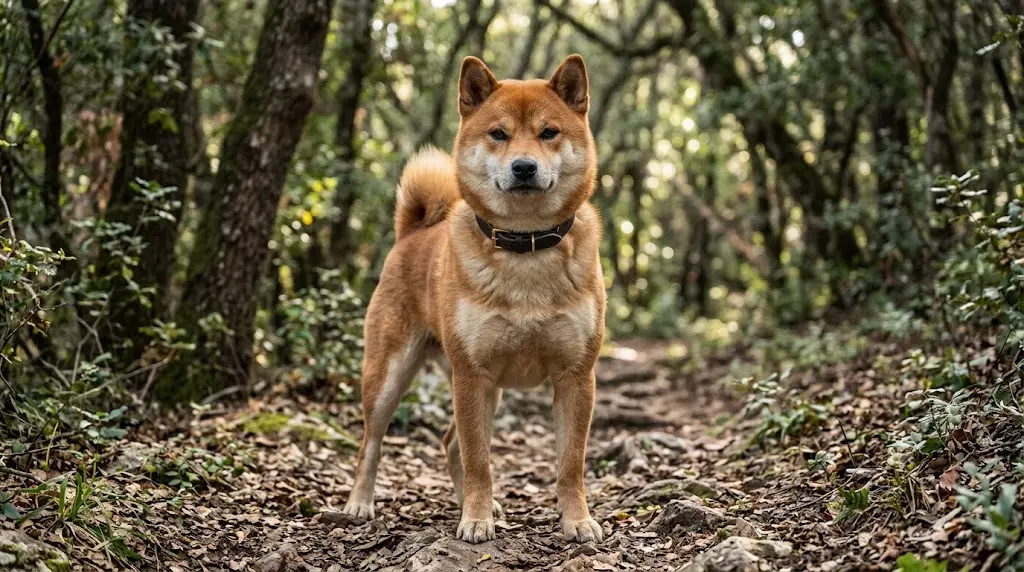
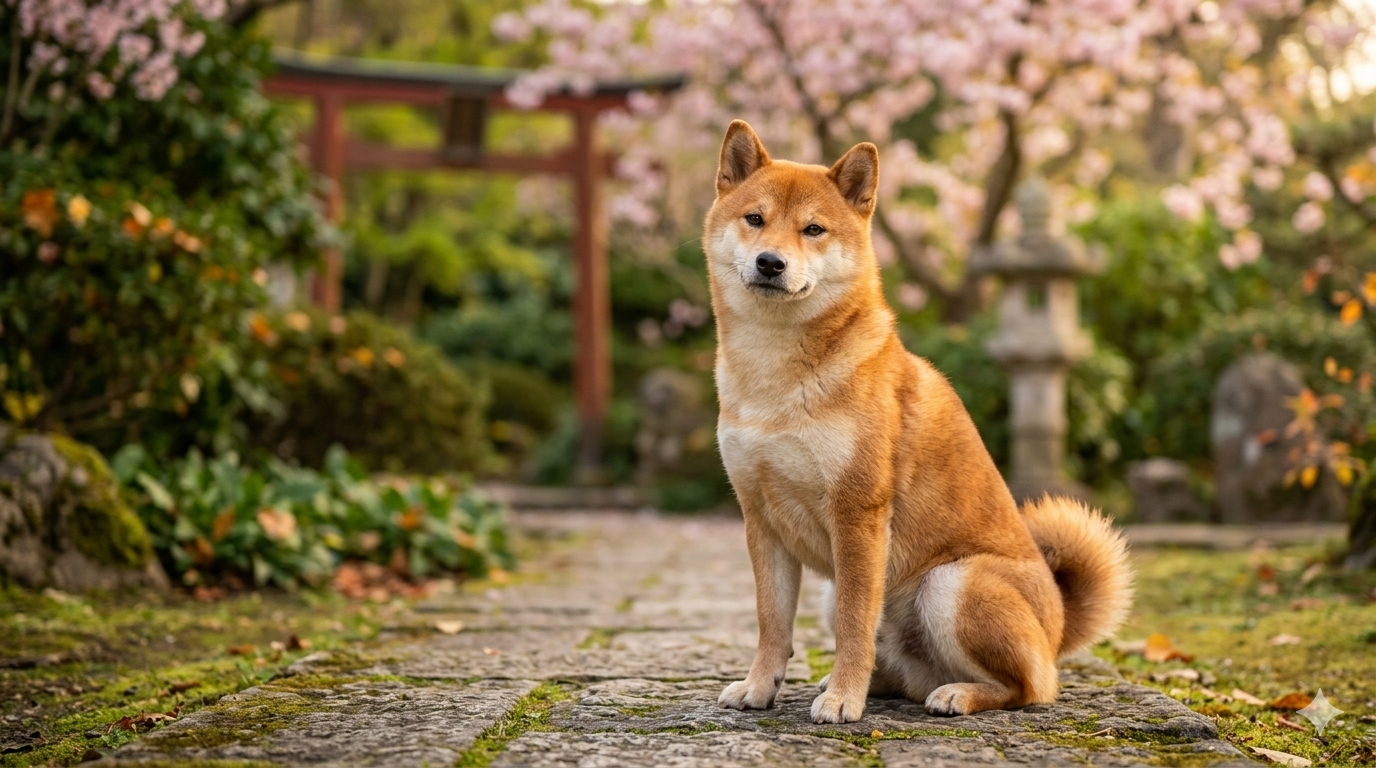
The Shiba Inu temperament is one of the most searched topics around this breed. Shibas are intelligent, observant, bold, and often highly independent. They usually build strong bonds with their owners, but they are not typically as openly eager-to-please as breeds like the Labrador Retriever or Golden Retriever.
Many owners describe Shibas as clean, cat-like, and self-directed. They often enjoy watching everything closely, choosing when to interact, and maintaining a sense of personal space. That unique personality can be rewarding, but it also means this breed needs patient handling and clear household rules.
Learn more about safe pet routines in our Pet Safety Hub, where you can explore more practical advice for behavior, home setup, and safer daily care.
Is a Shiba Inu a Good Family Dog?
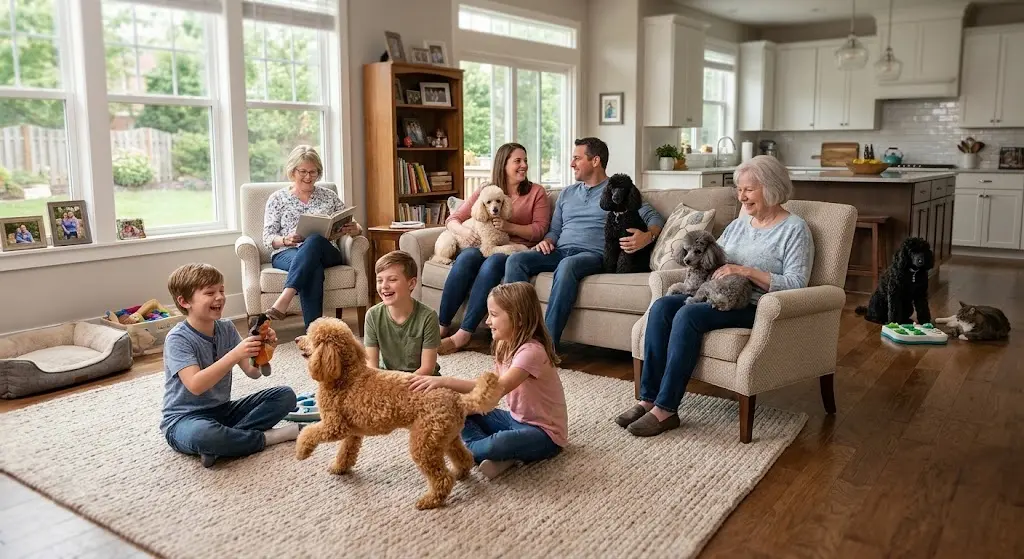
A Shiba Inu family fit depends on the people, not just the breed. Shibas can do well in families, but they usually thrive best in homes where boundaries are respected and routines stay consistent.
- Can be a good match for older children who understand dog body language and personal space.
- May be less tolerant of rough handling than softer family breeds.
- Often more reserved with strangers until socialization is built early and positively.
- Can live in smaller homes or apartments if daily exercise and mental stimulation are provided.
- Needs secure walking and outdoor routines because prey drive and independence can affect recall.
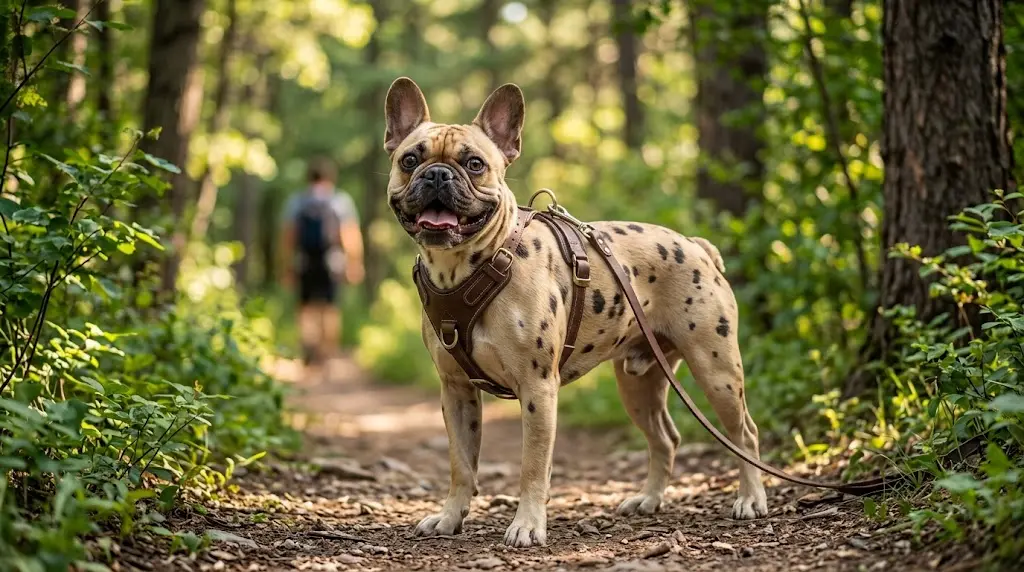
For comparison, explore how this breed differs from the Golden Retriever, Labrador Retriever, and French Bulldog.
Shiba Inu Health Care Issues and Preventive Care Tips
The Shiba Inu dog breed is often seen as a generally sturdy breed, but smart preventive care still matters. Owners should stay alert for skin allergies, ear irritation, dental disease, kneecap issues, and stress-related behaviors. Early routine care can reduce avoidable discomfort and support long-term wellbeing.
Common Shiba Inu Health Concerns
Skin Allergies
Itching, skin irritation, or recurring ear issues may suggest environmental or food-related sensitivity.
Patellar Luxation
A kneecap problem that may show as skipping, limping, or sudden changes in gait.
Dental Disease
Regular brushing and routine vet dental checks are important for long-term oral health.
Stress Behaviors
Boredom or frustration can lead to vocalization, tension, escape attempts, or reactivity.
Preventive Care Tips
- Keep vaccinations, parasite prevention, and routine health exams up to date.
- Brush teeth regularly with dog-safe toothpaste.
- Maintain a lean body condition to reduce joint stress.
- Brush the coat weekly and more often during seasonal shedding.
- Check skin, ears, nails, and paw pads during grooming sessions.
- Use daily enrichment to reduce anxiety and frustration-related behaviors.
Shiba Inu Feeding Plan
A strong Shiba Inu feeding plan should match age, activity level, body condition, and veterinary guidance. Shibas are active and athletic, but they can gain weight if portions are not managed carefully.
Suggested Feeding Routine
- Puppies: 3 to 4 measured meals daily
- Adults: 2 balanced meals daily
- Seniors: 2 controlled meals with extra attention to mobility and weight
What to Look for in Food
- Complete and balanced dog food appropriate for life stage
- Good-quality protein for muscle support
- Controlled calories to avoid excess weight gain
- Omega fatty acids for skin and coat support
- Fresh water available at all times
If your Shiba shows skin or digestion issues, discuss ingredient choices and portion adjustments with your veterinarian.
Shiba Inu Training Tips
Shiba Inu training works best when sessions are short, positive, and consistent. This breed is smart, but intelligence does not always equal obedience. Shibas often test boundaries and can lose interest if training becomes repetitive or harsh.
- Start socialization early with people, places, sounds, and handling.
- Use rewards, praise, and structure instead of force-based correction.
- Build leash manners early because this breed can be alert and reactive.
- Practice recall only in secure areas because off-leash reliability may be limited.
- Use food puzzles, scent work, and short games to prevent boredom.
You can strengthen this page with future internal links to your dog training articles. For example, add links like “See more safe behavior routines in our dog training articles” and connect it to your broader pet behavior content.
Shiba Inu Grooming and Daily Care
Shiba Inus are famously clean, but their double coat still needs consistent care. Weekly brushing is a practical baseline, while heavier brushing is often needed during seasonal shedding periods. Nail trimming, ear checks, and dental care should all be part of the weekly routine.
Bathing should be done as needed, not excessively. Early calm handling makes grooming, vet visits, and daily care much easier over time.
Popular Shiba Inu Breed Facts
- The Shiba Inu is one of Japan’s best-known native dog breeds.
- This breed is widely recognized for its curled tail and fox-like face.
- Many people describe Shibas as cat-like because of their cleanliness and independence.
- The “Shiba scream” is a famous vocal reaction sometimes heard during stress or discomfort.
- Shibas are small in size but often big in confidence and personality.
- They can be loving and loyal, but usually show affection on their own terms.
Shiba Inu vs Other Popular Dog Breeds
Shiba Inu vs Labrador
Shibas are more independent and reserved. Labradors are usually more social, eager, and beginner-friendly.
Compare with Labrador RetrieverShiba Inu vs Golden Retriever
Golden Retrievers are usually gentler and more openly affectionate. Shibas often prefer more personal space.
Compare with Golden RetrieverShiba Inu vs French Bulldog
French Bulldogs are often more companion-focused and easier in small-space living, while Shibas need stronger structure.
Compare with French BulldogShiba Inu vs German Shepherd
German Shepherds are more handler-focused and work-driven. Shibas are compact, clever, and more self-directed.
Compare with German ShepherdQuick Breed Comparison Table
Related Dog Breed Guides
Labrador Retriever
Friendly, trainable, and one of the most family-friendly dog breeds.
Golden Retriever
A gentle breed known for patience, loyalty, and ease of training.
French Bulldog
Compact, playful, and often popular with apartment and city households.
German Shepherd
Protective, smart, and highly responsive in structured homes.
Shiba Inu FAQs
1. Is a Shiba Inu a good family dog?
A Shiba Inu can be a good family dog in calm, structured homes with respectful children and clear routines.
2. Are Shiba Inus easy to train?
They are intelligent but often independent, so training can be more challenging than with eager-to-please breeds.
3. Do Shiba Inus bark a lot?
They are not always constant barkers, but they can be very vocal and are known for the famous “Shiba scream.”
4. Do Shiba Inus shed a lot?
Yes. Their double coat sheds year-round and often heavily during seasonal coat changes.
5. Are Shiba Inus good with kids?
They can do well with older children who understand boundaries and respectful interaction.
6. Can a Shiba Inu live in an apartment?
Yes, if exercise, enrichment, and noise management are handled consistently.
7. What health problems are common in Shiba Inus?
Common concerns include allergies, dental disease, patellar luxation, and stress-related behavior problems.
8. How long do Shiba Inus live?
A Shiba Inu commonly lives around 13 to 16 years with good care and preventive health support.
9. Are Shiba Inus aggressive?
They are not automatically aggressive, but poor socialization and inconsistent handling can increase reactivity.
10. What is the best diet for a Shiba Inu?
A complete, balanced diet with measured portions, fresh water, and life-stage-appropriate nutrition is best.
Explore More Safe, Smart Pet Guides
Discover more breed comparisons, family pet guidance, and practical pet care resources across One Health Globe.
Vet-Approved Products Every Dog Owner Should Know About
Whether your dog is battling shedding season, digestive issues, or just needs better everyday care, these are the vet-recommended brands trusted by thousands of U.S. dog owners in 2026.
Struggling with your dog's dull coat or picky appetite? Ruff Greens is a vet-formulated superfood supplement supporting digestion, skin, and coat health in one daily scoop.
🐾 Try Ruff Greens TodayCan't get a same-week vet appointment? Dutch connects you with licensed U.S. veterinarians online for fast diagnosis, prescriptions, and care plans — often within hours.
🩺 Talk to a Vet Online NowTired of inconsistent feeding schedules? Petlibro's smart automatic feeders and fountains keep meals and water on schedule, even when you're away.
🍽️ Shop Petlibro Smart FeedersWorried about catching cancer too late? Oncotect is an at-home early cancer screening kit for dogs, with lab results in days instead of invasive vet testing.
🔬 Get Your Oncotect Screening KitCurious what's really in your dog's DNA? Basepaws' breed and health DNA test reveals ancestry, breed traits, and potential genetic health risks.
🧬 Get Your Basepaws DNA KitIs your dog anxious during storms, car rides, or vet visits? Bailey's CBD offers vet-formulated, third-party-tested calming chews and oils made for dogs' natural stress response.
🌿 Calm Your Dog with Bailey's CBDWant more breed-specific care guides? Explore our full Dog Breeds Hub →