Pomeranian Temperament and Personality
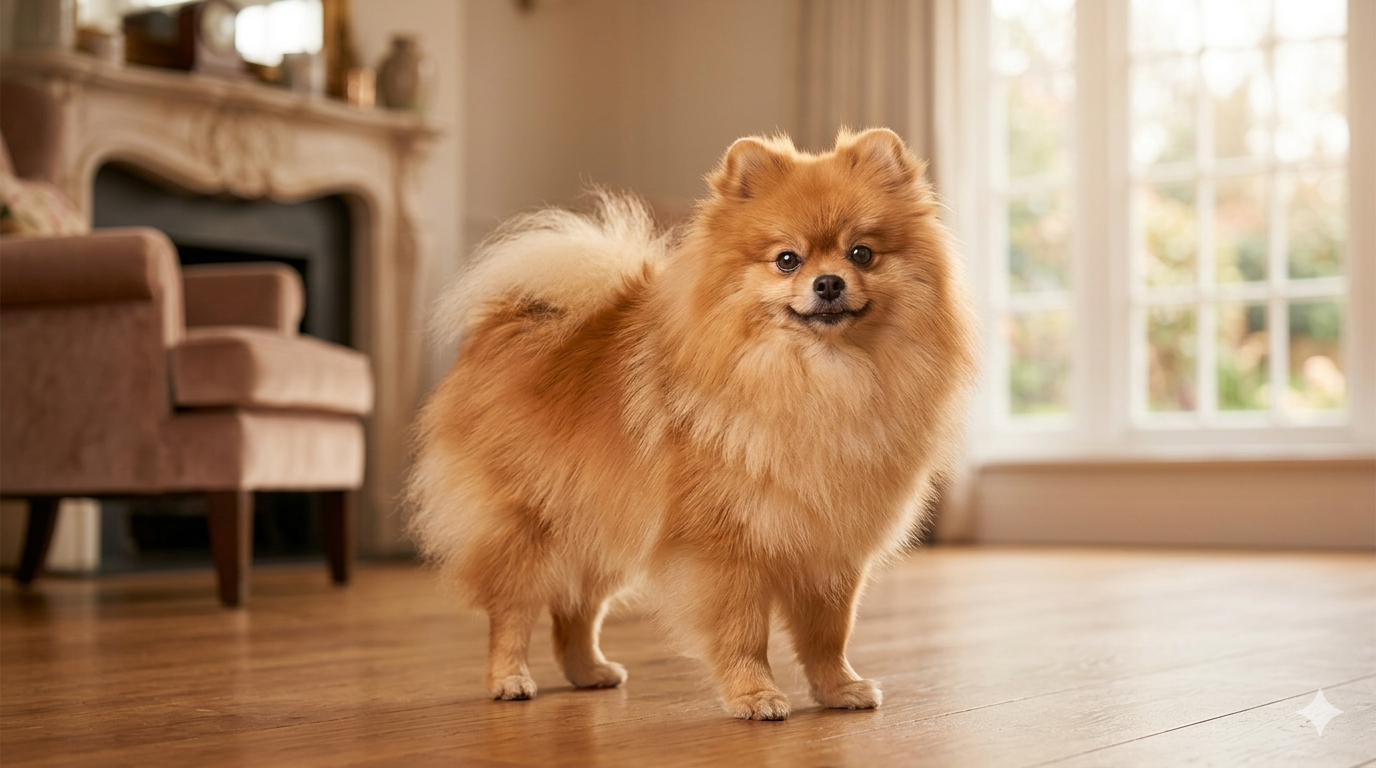
The Pomeranian temperament is a big reason this breed stays so popular. Pomeranians are typically alert, intelligent, curious, and full of confidence. Even though they are small, they often behave like much bigger dogs.
Many Pomeranians love close time with their people and enjoy being involved in daily home life. They are often affectionate companion dogs, but they can also be vocal, watchful, and a little bossy if early boundaries are not taught kindly and consistently.
This combination of charm and confidence makes the Pom a fun breed for owners who want an interactive, expressive dog. For more practical daily routines, link this page with your Pet Safety Hub.
Is a Pomeranian a Good Family Dog?
A Pomeranian family fit depends on the people around the dog. Pomeranians can be excellent companions, especially in homes that want a close-bonding, indoor-friendly, attention-loving pet.
- Usually a strong match for adults, couples, seniors, and smaller households.
- Can do well with older children who understand gentle handling.
- May be too delicate for rough play with toddlers.
- Often adapt well to apartment living if barking and enrichment are managed.
- Can become overly dependent if routines and confidence-building are ignored.
For stronger internal linking, compare this page with your French Bulldog, Miniature Poodle, Golden Retriever, and Labrador Retriever breed guides.
Pomeranian Health Issues and Preventive Care Tips
The Pomeranian dog breed may be tiny, but preventive health care is still essential. Owners should stay alert for dental disease, patellar luxation, collapsing trachea, weight gain, eye irritation, and skin or coat issues.
Common Pomeranian Health Concerns
Dental Disease
Toy breeds often develop plaque, tartar, and gum disease quickly without regular oral care.
Patellar Luxation
This knee issue can cause skipping, limping, or discomfort in small-breed dogs.
Collapsing Trachea
A collapsing trachea may sound like a goose-honk cough and needs prompt veterinary attention.
Eye and Coat Issues
Tear staining, irritation, and coat tangles may need regular monitoring and grooming support.
Preventive Care Tips
- Brush teeth frequently and schedule regular veterinary dental checks.
- Use a harness instead of neck pressure during walks.
- Keep body weight controlled to reduce stress on joints and breathing.
- Brush the coat several times per week to reduce tangles and check skin health.
- Keep vaccines, parasite prevention, and wellness visits current.
- Watch for coughing, limping, eye discharge, or reduced activity and seek veterinary advice early.
Pomeranian Feeding Plan
A good Pomeranian feeding plan should match age, body condition, activity level, and veterinary advice. Because Pomeranians are small, even small overfeeding can lead to unhealthy weight gain.
Suggested Feeding Routine
- Puppies: 3 to 4 small meals daily
- Adults: 2 measured meals daily
- Seniors: 2 controlled meals with attention to weight and dental comfort
What to Look for in Food
- Complete and balanced small-breed dog food
- Appropriate kibble size for a toy breed mouth
- Controlled calories to reduce obesity risk
- Fresh water available at all times
- Vet-guided diet changes if skin, dental, or digestion issues appear
Keep treats controlled and avoid feeding just by eye. Tiny dogs need accurate portions more than many owners realize.
Pomeranian Training Tips
Pomeranian training works best when started early. This breed is clever, lively, and quick to form habits. With reward-based routines, Pomeranians can learn household manners, grooming tolerance, and fun obedience skills very well.
- Start socialization early with people, sounds, surfaces, and gentle handling.
- Keep training sessions short, upbeat, and consistent.
- Work on barking control early because Pomeranians are naturally alert watchdogs.
- Teach grooming tolerance, crate comfort, and calm leash walking from puppyhood.
- Use puzzle toys and interactive play to prevent boredom and attention-seeking habits.
This page can also internally link to your pet training articles with anchor text like: “See more safe behavior routines in our pet training articles.”
Pomeranian Grooming and Daily Care
Pomeranians need regular coat care because of their thick double coat. Brushing several times per week helps reduce mats, loose hair, and coat breakage. Routine grooming also lets owners check the skin, eyes, nails, ears, and mouth.
Daily care should include gentle exercise, safe indoor handling, dental hygiene, and a home setup that reduces jump and fall risk for this tiny breed.
Popular Pomeranian Breed Facts
- Pomeranians are one of the best-known toy companion breeds.
- The breed is widely recognized for its fluffy coat and fox-like face.
- Poms are often described as having a “big dog” attitude in a very small body.
- They are natural alert dogs and often react quickly to sounds and movement.
- Their dense coat is beautiful, but it needs steady grooming to stay healthy.
- Many Pomeranians build very close bonds with their main caregivers.
Pomeranian vs Other Popular Dog Breeds
Pomeranian vs French Bulldog
Pomeranians are lighter, fluffier, and often more vocal, while French Bulldogs are sturdier and usually less coat-intensive.
Compare with French BulldogPomeranian vs Miniature Poodle
Miniature Poodles are often more handler-focused and highly trainable, while Pomeranians lean toward lively companion behavior.
Compare with Miniature PoodlePomeranian vs Golden Retriever
Golden Retrievers are larger, gentler family dogs, while Pomeranians are tiny companion dogs that need more delicate handling.
Compare with Golden RetrieverPomeranian vs Labrador Retriever
Labradors are much larger and usually easier for active family play, while Pomeranians fit compact companion lifestyles better.
Compare with Labrador RetrieverQuick Breed Comparison Table
Related Dog Breed Guides
Pomeranian FAQs
1. Is a Pomeranian a good family dog?
A Pomeranian can be a very good family dog in homes that handle small dogs gently and provide regular attention.
2. Do Pomeranians bark a lot?
They can be vocal and alert, especially if barking habits are not managed early.
3. Are Pomeranians easy to train?
They are intelligent and can learn quickly, but consistent reward-based training works best.
4. Do Pomeranians shed a lot?
Yes. Their dense double coat sheds and needs regular brushing.
5. Are Pomeranians good with kids?
They are usually better with older children who understand gentle handling of a toy breed.
6. Can a Pomeranian live in an apartment?
Yes, they usually adapt well to apartment life if barking and enrichment are managed.
7. What health problems are common in Pomeranians?
Common concerns include dental disease, patellar luxation, collapsing trachea, and some eye or coat issues.
8. How long do Pomeranians live?
Pomeranians commonly live around 12 to 16 years with good care and preventive support.
9. What is the best food for a Pomeranian?
A complete and balanced small-breed diet with measured portions is usually best.
10. Are Pomeranians high maintenance?
They are small, but coat care, dental care, and regular attention make them more maintenance-heavy than some other toy breeds.
Explore More Safe, Smart Pet Guides
Discover more breed comparisons, companion dog advice, and practical pet care resources across One Health Globe.
Vet-Approved Products Every Dog Owner Should Know About
Whether your dog is battling shedding season, digestive issues, or just needs better everyday care, these are the vet-recommended brands trusted by thousands of U.S. dog owners in 2026.
Struggling with your dog's dull coat or picky appetite? Ruff Greens is a vet-formulated superfood supplement supporting digestion, skin, and coat health in one daily scoop.
🐾 Try Ruff Greens TodayCan't get a same-week vet appointment? Dutch connects you with licensed U.S. veterinarians online for fast diagnosis, prescriptions, and care plans — often within hours.
🩺 Talk to a Vet Online NowTired of inconsistent feeding schedules? Petlibro's smart automatic feeders and fountains keep meals and water on schedule, even when you're away.
🍽️ Shop Petlibro Smart FeedersWorried about catching cancer too late? Oncotect is an at-home early cancer screening kit for dogs, with lab results in days instead of invasive vet testing.
🔬 Get Your Oncotect Screening KitCurious what's really in your dog's DNA? Basepaws' breed and health DNA test reveals ancestry, breed traits, and potential genetic health risks.
🧬 Get Your Basepaws DNA KitIs your dog anxious during storms, car rides, or vet visits? Bailey's CBD offers vet-formulated, third-party-tested calming chews and oils made for dogs' natural stress response.
🌿 Calm Your Dog with Bailey's CBDWant more breed-specific care guides? Explore our full Dog Breeds Hub →