American Pit Bull Terrier Temperament, Training, Health & Family Care Guide
The American Pit Bull Terrier is a muscular, intelligent, energetic, and deeply people-oriented breed when raised with proper structure, training, and responsible ownership. This complete guide explains American Pit Bull Terrier temperament, family fit, health issues, preventive care tips, feeding guidance, exercise needs, and training advice to help owners make better daily care decisions.
Explore more practical dog care content in our Pet Safety Hub, compare more breeds in our dog breed guides, and keep building safer routines for pets and families on One Health Globe.
American Pit Bull Terrier Overview
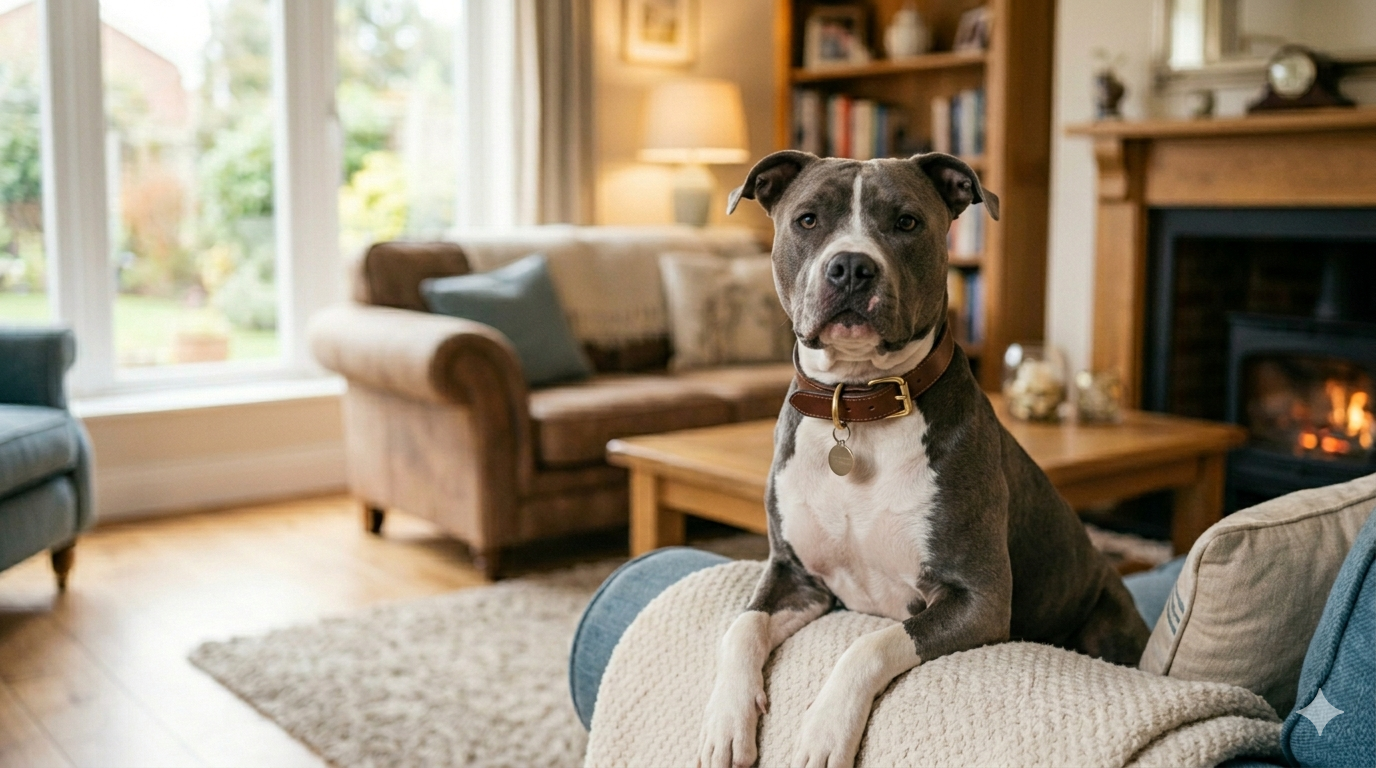
The American Pit Bull Terrier is known for athletic ability, determination, human bonding, and powerful energy. In the right home, this breed can be affectionate, playful, eager to learn, and extremely loyal. Many dogs of this type enjoy close contact with their family and love being included in daily routines.
At the same time, this is not a low-effort breed. Responsible ownership matters. Early socialization, obedience training, controlled greetings, safe leash habits, and reliable boundaries are all important for helping this powerful dog become balanced and manageable.
American Pit Bull Terrier Temperament
The American Pit Bull Terrier temperament is often confident, affectionate with people, energetic, alert, and highly driven. Many Pit Bulls love interaction and thrive when they have a job, training routine, or active daily schedule. They can be clownish and playful with trusted family members while also showing determination and physical intensity during excitement.
Because the breed is strong and often enthusiastic, owners should focus heavily on calm behavior, leash manners, impulse control, and structured engagement. A dog with energy but no guidance can become difficult to manage. A trained dog with daily outlets often becomes much more enjoyable at home.
- Loyal and strongly people-oriented
- Energetic, playful, and athletic
- Confident and eager to engage
- Often affectionate with family
- Needs structure to prevent overexcitement and poor habits
Is an American Pit Bull Terrier Good for Families?
The American Pit Bull Terrier family fit depends heavily on responsible ownership, daily training, supervision, and the dog’s individual temperament. In structured homes, many Pit Bulls can be affectionate, fun-loving, and deeply connected to their people. They often enjoy play, attention, and routines that include the family.
Still, this breed is powerful and energetic. Families should teach respectful dog handling, avoid rough or chaotic interactions, and supervise children around any strong dog. The breed may not be the easiest choice for every household, but it can do well in committed homes that value safety, training, and routine.
Why some families choose this breed
- Often affectionate and people-bonded
- Can be playful and highly engaging
- Usually enjoys active routines
- May become very loyal to the household
What families must consider carefully
- Needs training and structure every day
- Requires exercise and mental stimulation
- May be too strong for casual handling
- Needs careful management around other animals in some cases
Common American Pit Bull Terrier Health Issues
Like many active medium-sized dogs, the American Pit Bull Terrier may be prone to several health concerns. Not every dog will develop them, but owners should still watch for early signs and stay consistent with preventive care.
- Skin allergies: itching, redness, rashes, or hot spots
- Ear irritation: often linked with allergies or moisture
- Joint strain: especially in overweight or overworked dogs
- Hip discomfort: stiffness or mobility changes in some dogs
- Weight gain: possible when activity is low but food intake stays high
- Dental disease: long-term buildup if dental care is ignored
Preventive Care Tips for American Pit Bull Terrier Owners
Preventive care can make a big difference in both health and behavior. Because this breed is strong, active, and often enthusiastic, owners should think about body care and behavior care together.
- Keep a regular exercise plan with structured outlets
- Start training and controlled socialization early
- Watch for repeated itching, ear redness, or skin irritation
- Keep the dog lean to protect joints and mobility
- Provide durable enrichment toys and puzzle activities
- Use secure fencing and good leash habits
- Keep vaccinations and parasite prevention current
- Practice calm, safe introductions around unfamiliar animals
American Pit Bull Terrier Grooming and Daily Care
The American Pit Bull Terrier has a short coat that is easier to manage than long-haired breeds, but routine care still matters. Weekly brushing, bathing as needed, nail trimming, ear checks, and skin monitoring are all useful. The short coat also makes it easier to spot bumps, rashes, or irritation early.
Daily care should include more than food and water. This breed usually needs movement, enrichment, training, and close interaction with people. Many dogs of this type do not do well when left bored without structure for long periods.
- Brush weekly to remove loose hair
- Trim nails regularly
- Check ears and skin often
- Provide durable chew and enrichment options
- Keep daily rules and routines consistent
American Pit Bull Terrier Training Tips
Training an American Pit Bull Terrier should start early and stay consistent. This breed often learns quickly and can enjoy working with people, but strength and excitement levels mean manners should not be left to chance. Clear rules, positive reinforcement, calm repetition, and daily practice usually work best.
Key training goals
- Reliable leash manners
- Basic commands like sit, stay, come, leave it, and place
- Impulse control around excitement and visitors
- Safe crate training and calm alone-time skills
- Controlled exposure to people, places, sounds, and routine changes
Training mistakes to avoid
- Ignoring pulling, jumping, and rough play habits
- Skipping obedience work during puppy or adolescent stages
- Using inconsistent rules across the household
- Leaving the dog bored and under-stimulated
- Failing to manage introductions carefully
Exercise and Mental Stimulation Needs
The American Pit Bull Terrier usually needs more than a short walk. Many do best with a mix of walking, structured play, training drills, food puzzles, scent games, and active engagement with their owners. A dog that is exercised but not mentally engaged may still struggle with behavior.
For more behavior and safety ideas, visit our Pet Safety Hub and continue exploring practical dog care guidance across One Health Globe.
Feeding Guide for American Pit Bull Terrier Dogs
A good American Pit Bull Terrier feeding plan should support lean muscle, stable energy, and healthy digestion. Because this breed is active and muscular, owners should focus on food quality, portion control, and body condition rather than simply feeding more.
- Choose a balanced food suited to active medium-sized dogs
- Measure portions rather than estimating
- Limit rich treats and table scraps
- Provide clean water at all times
- Monitor muscle tone, weight, and stool quality regularly
American Pit Bull Terrier vs Doberman vs Boxer vs Rottweiler
If you are comparing powerful, active, protection-linked, or family-working breeds, this quick strip shows how the American Pit Bull Terrier differs from the Doberman, Boxer, and Rottweiler in home fit, energy, and management needs.
American Pit Bull Terrier
Best for: active owners who can manage strength, exercise, and training
Energy: high
Temperament style: people-bonded, playful, powerful
Main care need: structure, exercise, enrichment, safe management
Doberman
Best for: owners wanting a highly trainable alert protection breed
Energy: high
Temperament style: focused, intelligent, protective
Main care need: leadership, obedience, exercise, supervision
Boxer
Best for: playful active families wanting energy and companionship
Energy: high
Temperament style: goofy, affectionate, energetic
Main care need: exercise, routine, training, engagement
Rottweiler
Best for: experienced homes wanting a strong and steady guardian type
Energy: moderate to high
Temperament style: loyal, serious, protective
Main care need: socialization, training, leadership, controlled handling
Who Should Own an American Pit Bull Terrier?
The ideal American Pit Bull Terrier owner is someone who values consistency, obedience, daily exercise, and responsible dog management. This breed is often a stronger fit for committed, hands-on owners than for casual pet households.
- Good for active owners who enjoy training
- Good for homes with structure and daily routine
- Good for people willing to supervise behavior carefully
- Less ideal for low-effort or inconsistent homes
- Less ideal for owners who cannot provide exercise and control
Interesting American Pit Bull Terrier Breed Facts
- Many American Pit Bull Terriers are extremely people-focused
- This breed often combines athletic ability with strong family bonding
- Mental stimulation matters almost as much as physical exercise
- Training quality often strongly affects everyday behavior outcomes
- Structure and routine usually improve calm behavior at home
Build a Safer, Better-Behaved Dog at Home
Explore practical dog care, family safety, and training guidance designed to help pet owners make smarter daily decisions.
Explore Pet Safety HubAmerican Pit Bull Terrier FAQs
1. Is an American Pit Bull Terrier a good family dog?
It can be a good family dog in a responsible home that provides structure, supervision, training, and proper daily management.
2. Are American Pit Bull Terriers easy to train?
Many are intelligent and eager to learn, but they need clear rules, consistency, and regular practice to become reliable.
3. Do American Pit Bull Terriers need a lot of exercise?
Yes, most need daily physical exercise and mental stimulation to stay balanced and easier to manage.
4. Are American Pit Bull Terriers good with children?
Some can do well with children in structured homes, but all dog-child interactions should be supervised and respectful.
5. Are American Pit Bull Terriers aggressive by nature?
Behavior depends on breeding, socialization, training, management, and environment rather than a single simple label.
6. What health problems are common in American Pit Bull Terriers?
Common concerns include skin allergies, ear irritation, joint strain, hip discomfort, and weight gain if care is inconsistent.
7. Are American Pit Bull Terriers good for first-time owners?
They can be challenging for first-time owners unless the owner is highly committed to training, supervision, and responsible handling.
8. Do American Pit Bull Terriers get along with other dogs?
Some do, while others may be selective. Controlled introductions and careful management are important.
9. Can an American Pit Bull Terrier live in an apartment?
It can, but only if the owner provides enough exercise, training, enrichment, and responsible daily handling.
10. How much training does an American Pit Bull Terrier need?
Most need ongoing obedience work, leash manners, impulse-control training, and clear household rules throughout life.
11. Do American Pit Bull Terriers bark a lot?
Some are moderate barkers, but behavior usually depends more on stimulation, routine, and training than on the breed alone.
12. Are American Pit Bull Terriers protective?
Many are loyal and people-bonded, but responsible owners focus more on stability, control, and good manners than on encouraging guarding behavior.
Related Dog Breeds You May Also Like
Boxer
Compare another muscular, playful, active breed that needs structure and daily engagement.
Rottweiler
Explore another strong, loyal breed with protection instincts and serious training needs.
German Shepherd
See how a highly trainable working breed compares in energy, intelligence, and family life.
Doberman Pinscher
Review another alert, powerful breed suited to structured and active homes.
Final Thoughts on the American Pit Bull Terrier
The American Pit Bull Terrier can be a loyal, loving, and highly capable companion in the right hands. Its biggest strengths are athleticism, trainability, people-bonding, and enthusiasm. Its biggest challenges are strength, management needs, and the need for steady structure.
Keep exploring One Health Globe breed guides and practical dog care articles to compare breeds, build safer routines, and choose the right fit for your home and lifestyle.
Vet-Approved Products Every Dog Owner Should Know About
Whether your dog is battling shedding season, digestive issues, or just needs better everyday care, these are the vet-recommended brands trusted by thousands of U.S. dog owners in 2026.
Struggling with your dog's dull coat or picky appetite? Ruff Greens is a vet-formulated superfood supplement supporting digestion, skin, and coat health in one daily scoop.
🐾 Try Ruff Greens TodayCan't get a same-week vet appointment? Dutch connects you with licensed U.S. veterinarians online for fast diagnosis, prescriptions, and care plans — often within hours.
🩺 Talk to a Vet Online NowTired of inconsistent feeding schedules? Petlibro's smart automatic feeders and fountains keep meals and water on schedule, even when you're away.
🍽️ Shop Petlibro Smart FeedersWorried about catching cancer too late? Oncotect is an at-home early cancer screening kit for dogs, with lab results in days instead of invasive vet testing.
🔬 Get Your Oncotect Screening KitCurious what's really in your dog's DNA? Basepaws' breed and health DNA test reveals ancestry, breed traits, and potential genetic health risks.
🧬 Get Your Basepaws DNA KitIs your dog anxious during storms, car rides, or vet visits? Bailey's CBD offers vet-formulated, third-party-tested calming chews and oils made for dogs' natural stress response.
🌿 Calm Your Dog with Bailey's CBDWant more breed-specific care guides? Explore our full Dog Breeds Hub →