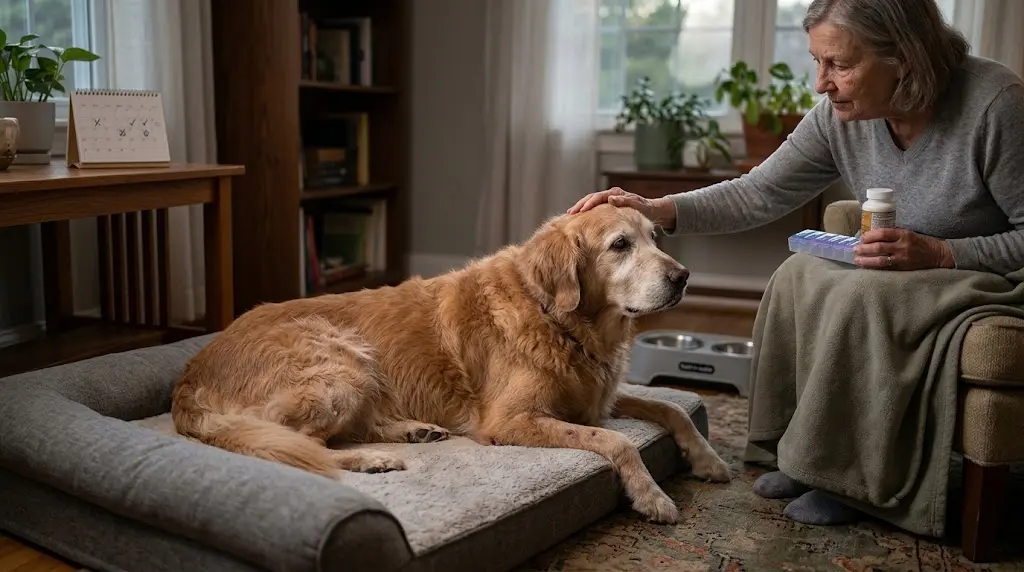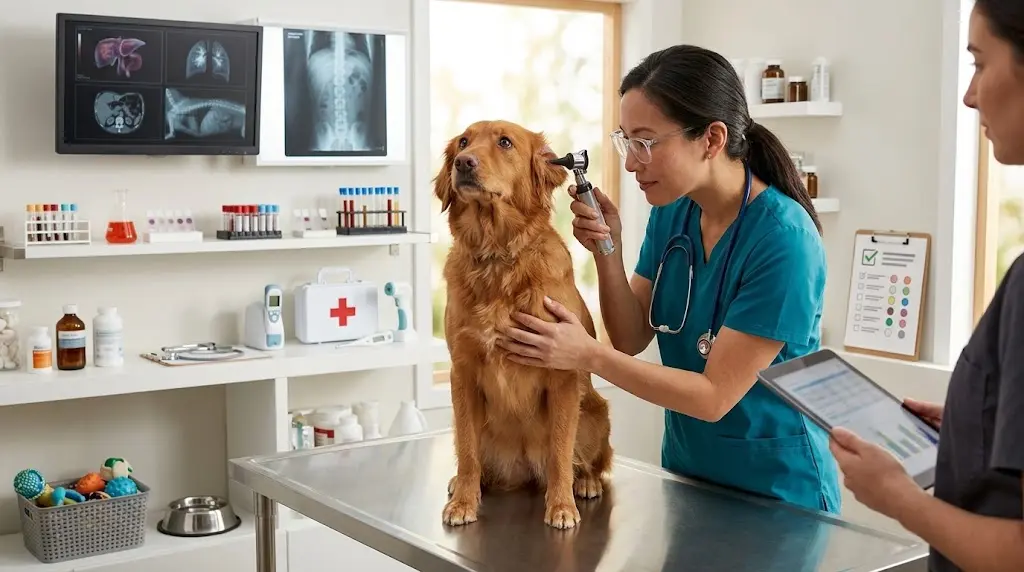
Top 5 Deadly Dog Diseases:
Symptoms, Prevention & Emergency Signs
A healthy dog can become critically ill within hours if dangerous infection symptoms are ignored. This vet-reviewed guide covers the five most important dog diseases every owner must recognise — and when to act.
Veterinary Disclaimer: This guide is for educational purposes only and does not replace veterinary diagnosis or treatment. If your dog has severe coughing, vomiting, diarrhea, bite exposure, seizures, weakness, paralysis, abnormal aggression, or breathing difficulty, contact a licensed veterinarian immediately.
5-Disease Comparison Snapshot
Use this table to identify risk level, human transmission risk, and vaccine protection for all 5 dog diseases at a glance.
| Disease | Main Warning Signs | Human Risk | Vaccine | Emergency Level |
|---|---|---|---|---|
| Rabies | Drooling, aggression, paralysis, behaviour change | YES | Core | Extreme |
| Canine Distemper | Cough, fever, eye discharge, diarrhea, seizures | No | Core | High |
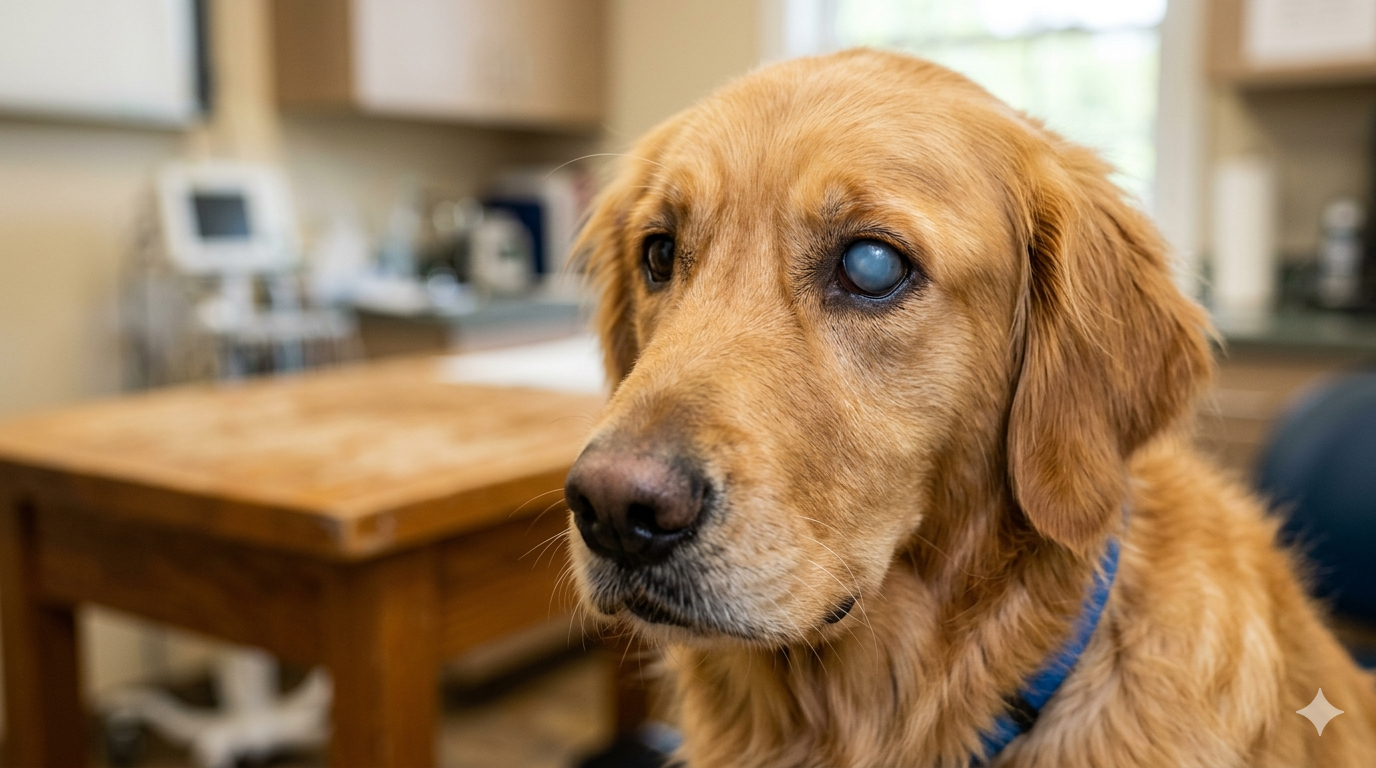
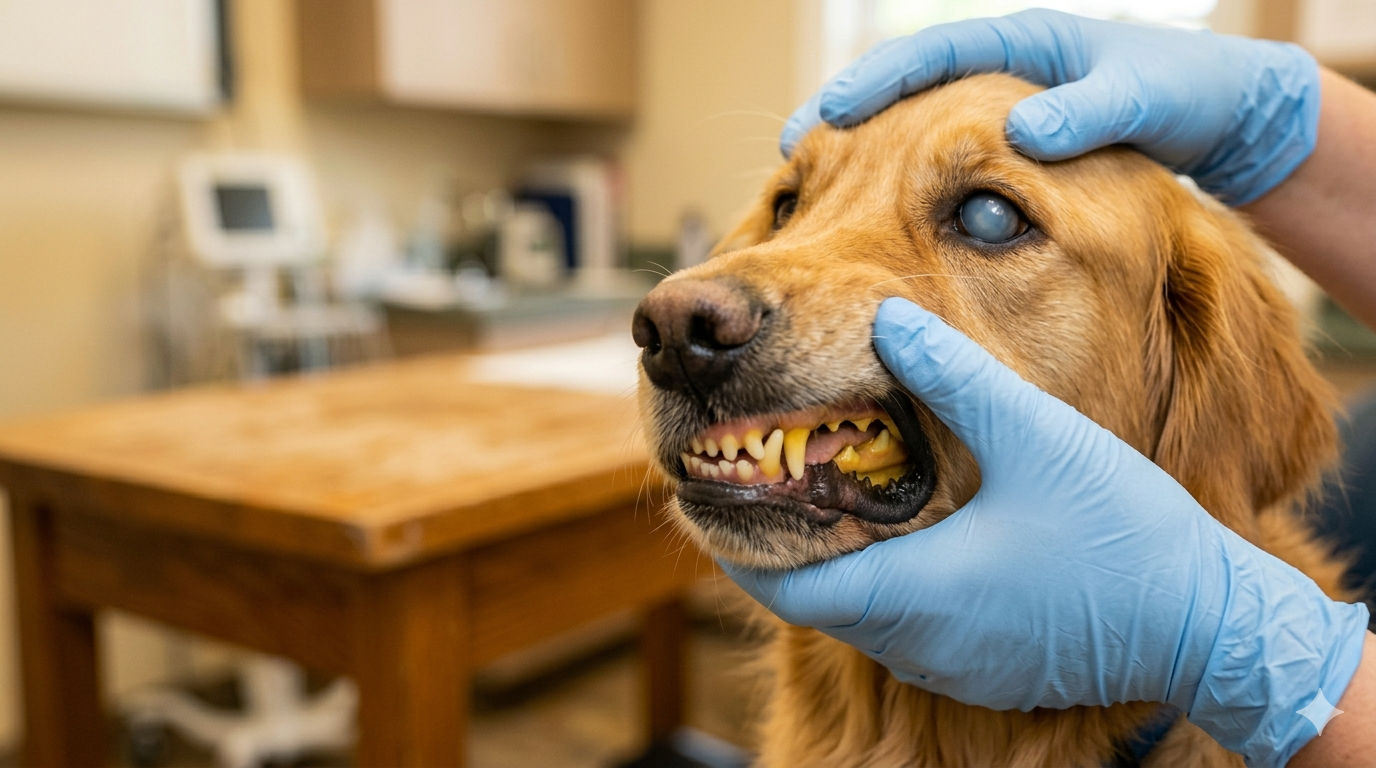
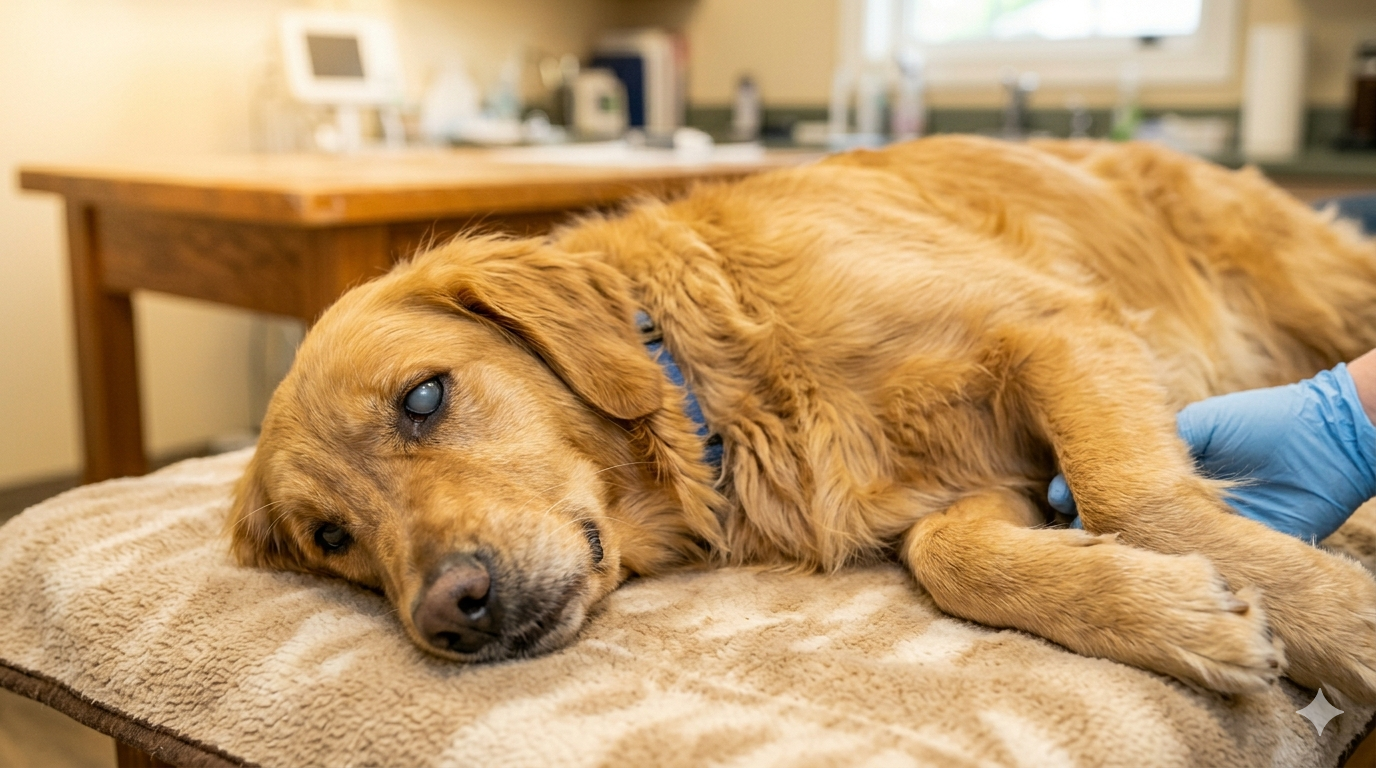
| Infectious Canine Hepatitis | Fever, vomiting, belly pain, blue eye, jaundice | No | Core | High |
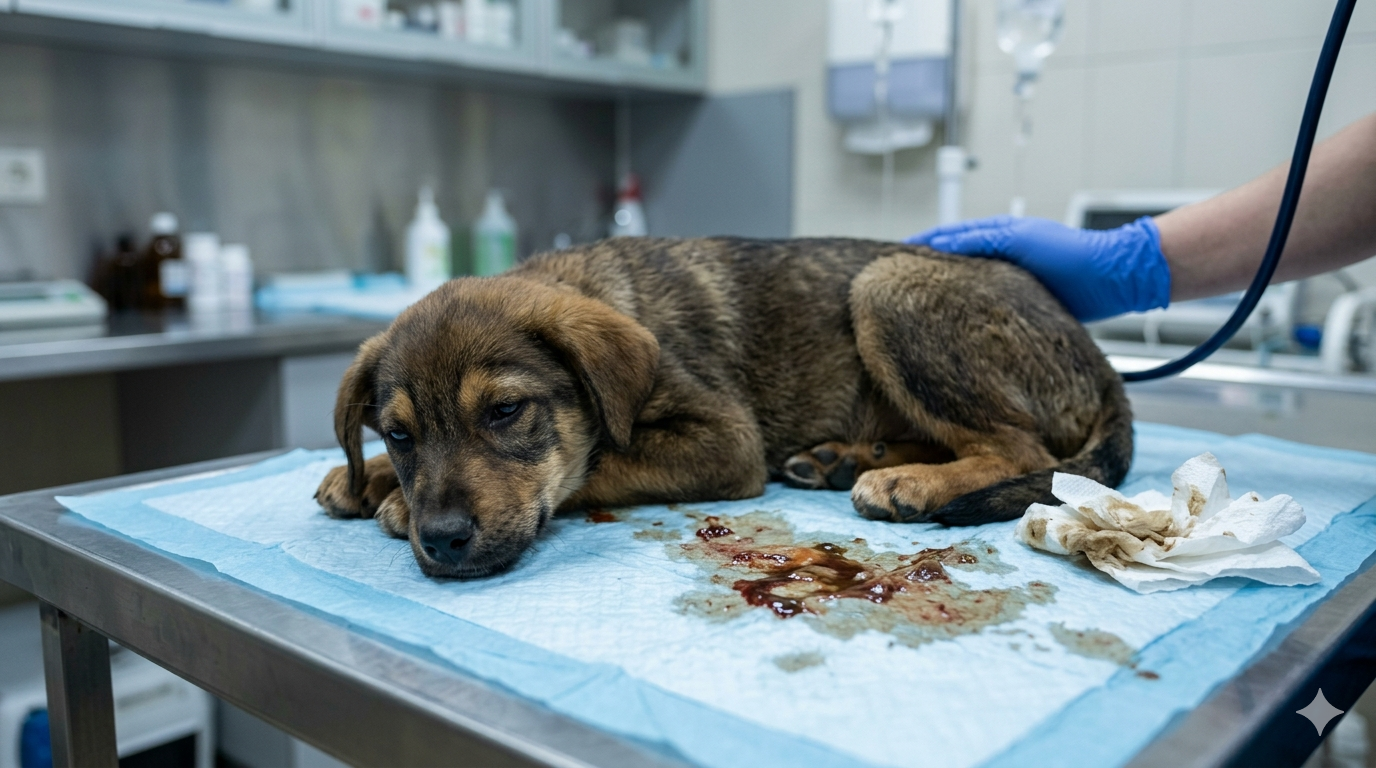
| Canine Parvovirus | Bloody diarrhea, vomiting, dehydration, collapse | Carrier risk | Core | Extreme |
| Kennel Cough | Dry honking cough, gagging, nasal discharge | Rare | Lifestyle | Moderate–High |
Rabies in Dogs
Rabies is a deadly viral disease that attacks the brain and nervous system of all mammals including dogs and humans. Once clinical symptoms appear, it is nearly always fatal — making vaccination and urgent post-exposure action the only effective defences.
🦠 Main Causes
- Bite from an infected animal
- Infected saliva entering wounds, eyes, nose, or mouth
- Contact with rabid wildlife (bats, foxes, raccoons, jackals)
- Expired or missed rabies vaccination
💉 Vaccination Schedule
- First dose: around 12 weeks of age (check local law)
- Booster: one year after first dose
- Adult boosters: every 1–3 years depending on vaccine type
- Must be administered by a licensed vet or authority
Warning Symptoms
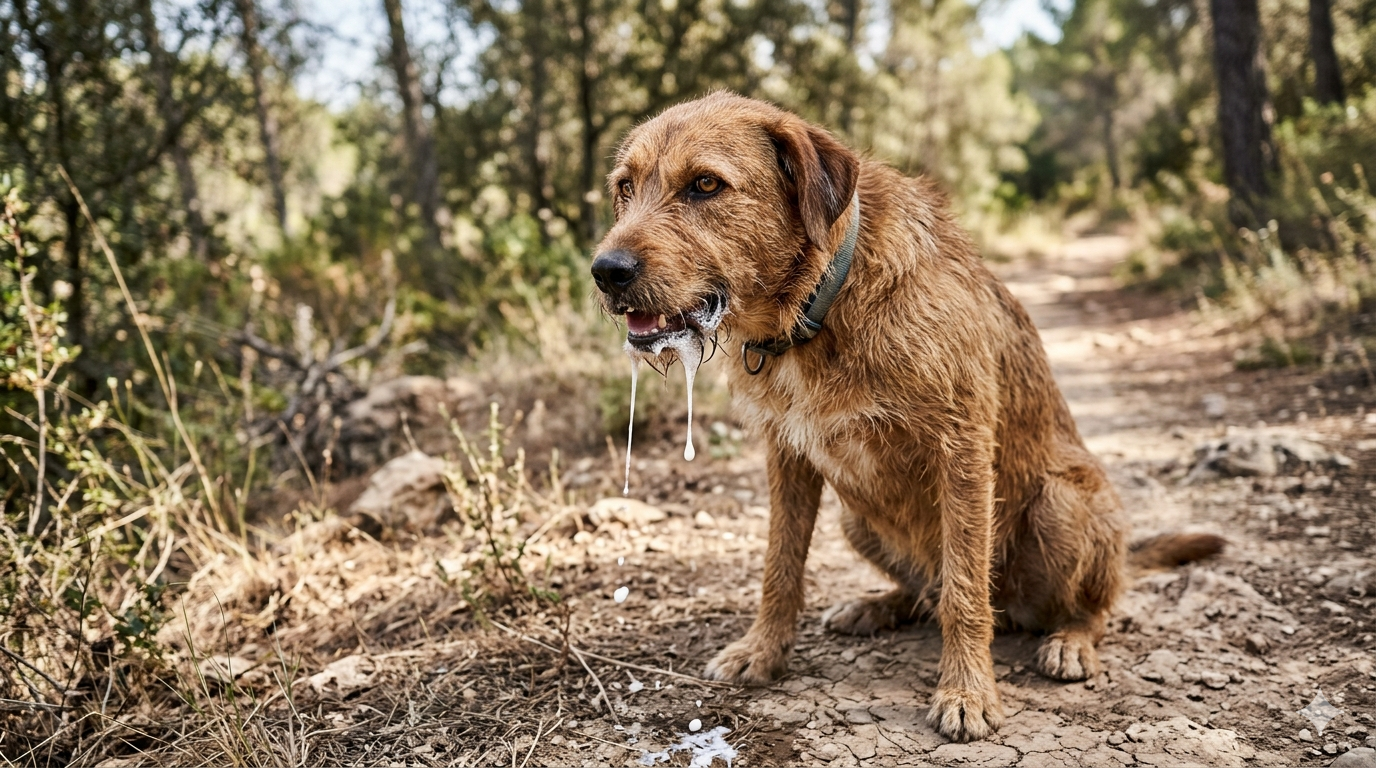
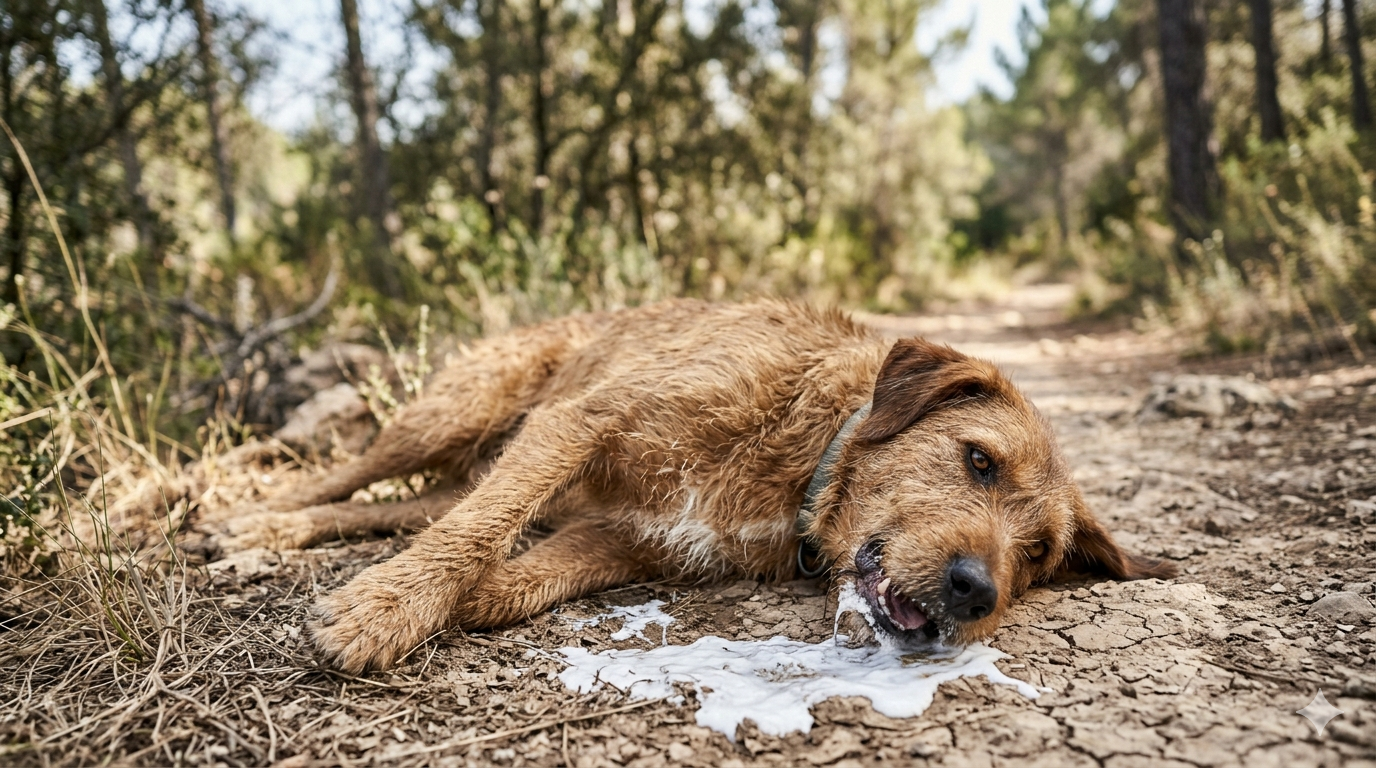
If your dog was bitten by an unknown animal, has bitten someone, is drooling heavily, acting strangely, or showing paralysis — do NOT handle the dog directly. Call a veterinarian, animal control, or local public health authority immediately. Rabies is a public health emergency.
🛡️ Prevention
- Keep rabies vaccination current
- Avoid contact with stray dogs and wildlife
- Supervise dogs outdoors at all times
- Use leashes in public places
- Report suspicious animals to authorities
💊 Treatment & Diagnosis
- No reliable treatment once clinical signs appear
- Lab confirmation requires post-mortem brain tissue test
- Exposure protocol: wound washing + urgent medical care
- Quarantine and public health reporting required
- Vaccination booster if exposure risk (unvaccinated dog)

Canine Distemper in Dogs
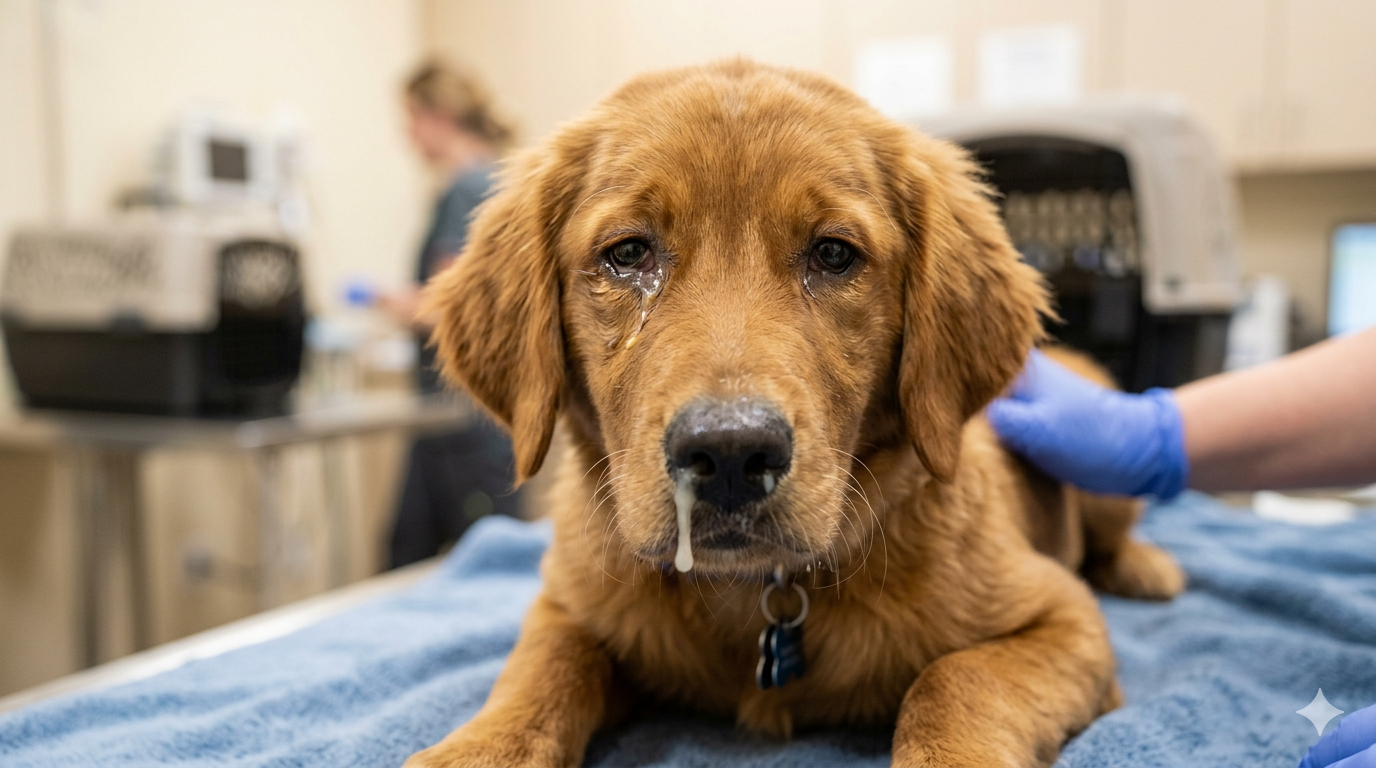
Canine distemper is a highly contagious viral disease that can attack the respiratory, digestive, immune, and nervous systems simultaneously. It spreads easily via airborne droplets and contaminated surfaces, and can be fatal — especially for puppies under 6 months old.
🦠 Main Causes
- Canine distemper virus (airborne droplets)
- Contact with infected saliva, urine, blood, or discharge
- Shared bowls, bedding, kennels
- Exposure to infected wildlife (ferrets, raccoons, mink)
💉 Vaccination Schedule
- First dose: 6–8 weeks of age
- Boosters every 2–4 weeks until 16 weeks old
- Adult boosters per veterinary guidance
- Part of core DHPP combination vaccine
Warning Symptoms
Go immediately if your puppy or dog has fever, eye discharge, persistent coughing, diarrhea, tremors, twitching, seizures, or severe weakness. Distemper progresses rapidly — hours matter.
🛡️ Prevention
- Follow the complete puppy vaccination schedule
- Avoid exposing puppies to unknown dogs before full vaccination
- Isolate sick dogs immediately
- Disinfect bowls, bedding, and kennels thoroughly
💊 Treatment Protocol
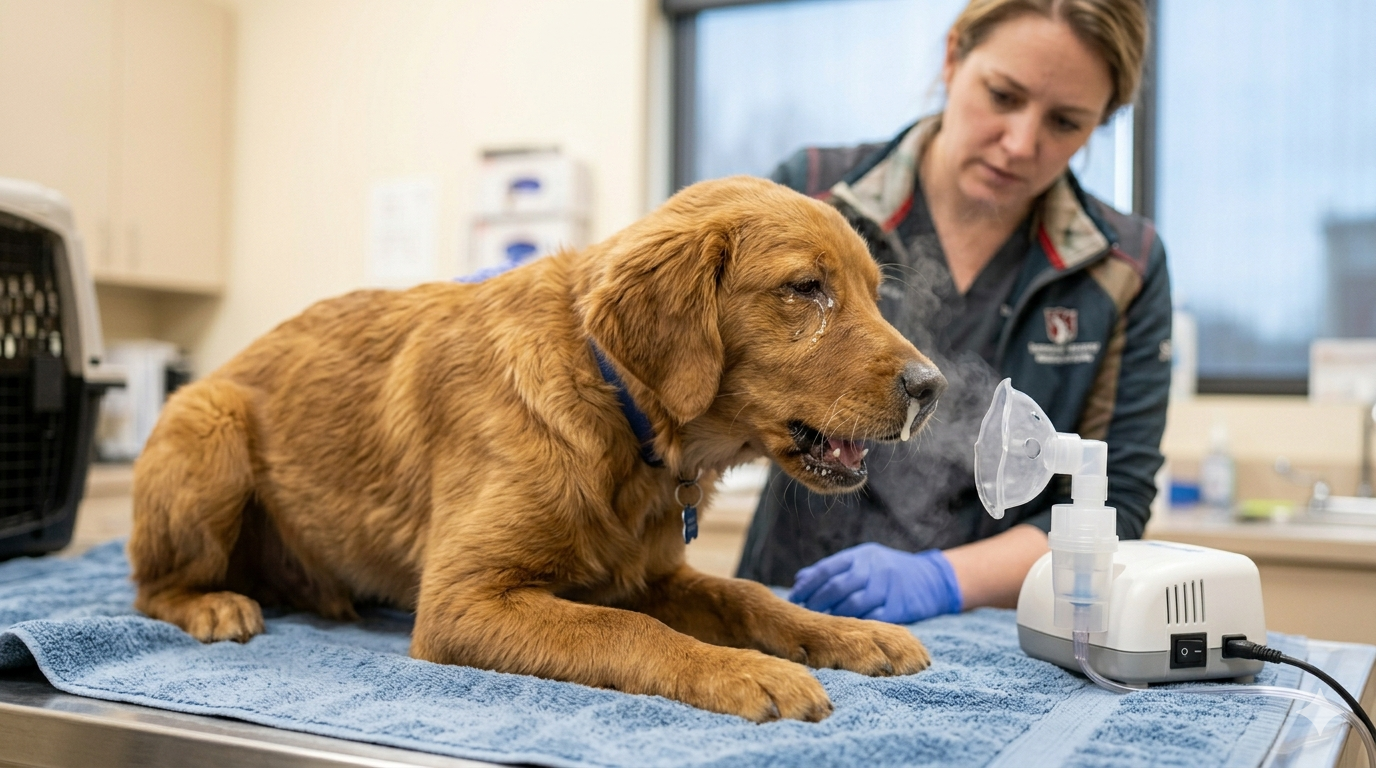
- No direct antiviral cure — supportive care only
- IV fluids and nutritional support
- Anti-nausea and anti-vomiting medication
- Antibiotics for secondary infections
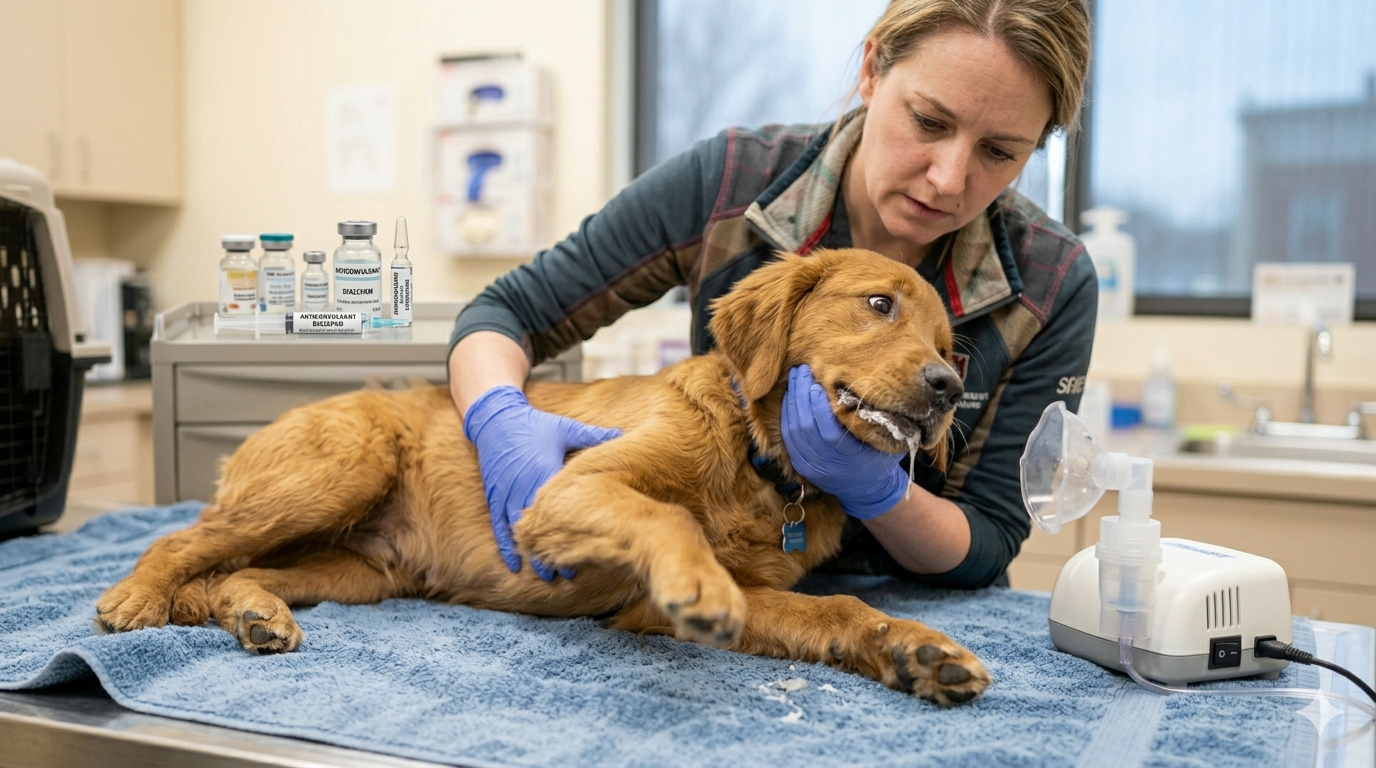
- Seizure control and oxygen support if needed
Infectious Canine Hepatitis
Infectious canine hepatitis is caused by canine adenovirus type 1 and primarily damages the liver, but may also harm blood vessels, kidneys, and eyes. The virus can survive in the environment for months and spreads easily through infected bodily fluids.
🦠 Main Causes
- Canine adenovirus type 1
- Contact with infected urine, saliva, feces, or nasal discharge
- Contaminated bowls, kennels, bedding, or surfaces
- Missed or incomplete core vaccination
💉 Vaccination Schedule
- Protected by canine adenovirus type 2 (CAV-2) vaccine
- Included in DHPP combination puppy vaccines
- Starts around 6–8 weeks of age
- Boosters every 2–4 weeks to complete puppy series
Warning Symptoms
Seek urgent care if your dog has yellow gums, abdominal pain, unexplained bleeding or bruising, repeated vomiting, extreme weakness, or cloudy eyes after any illness. Liver failure can develop rapidly.
🛡️ Prevention
- Keep core vaccines current at all times
- Avoid contact with sick or unknown dogs
- Disinfect contaminated areas and equipment
- Do not share bowls or bedding in high-risk environments
💊 Treatment Protocol
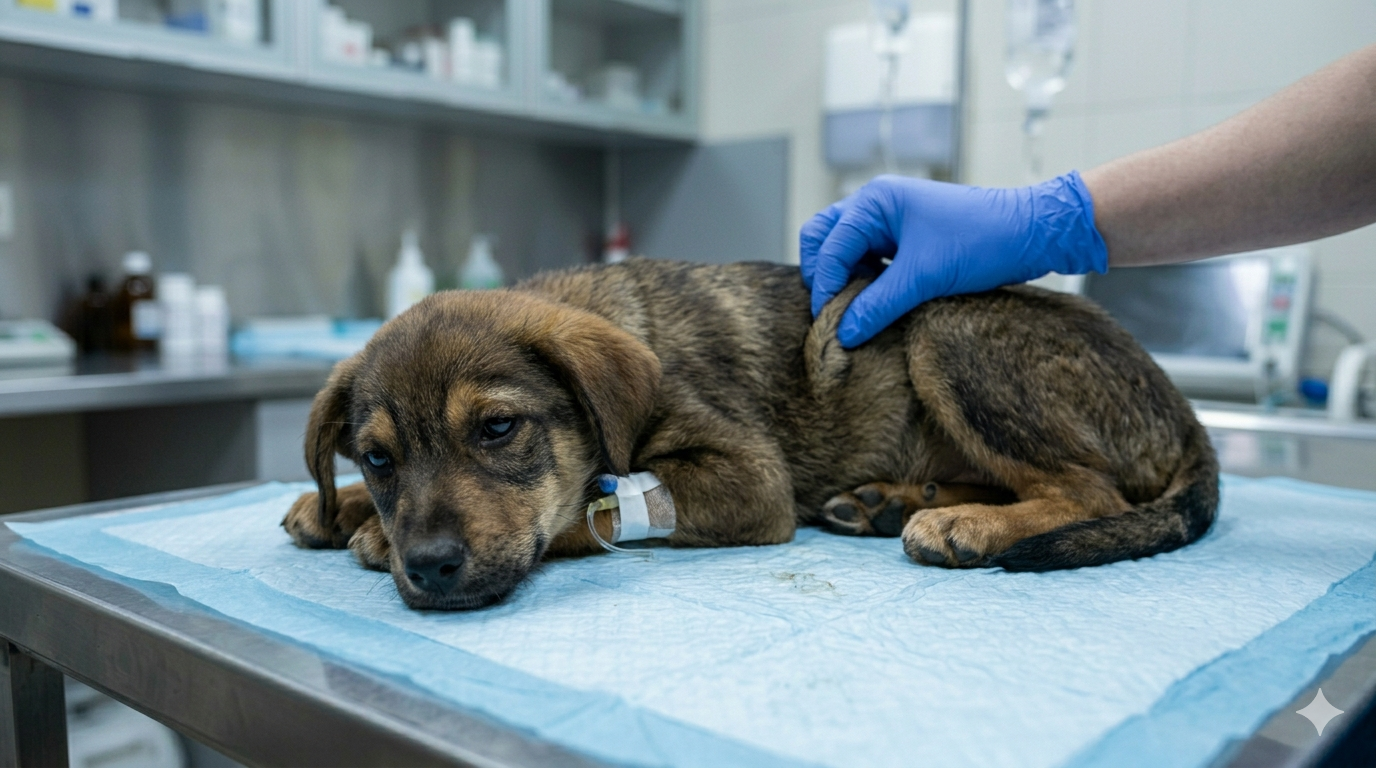
- Supportive IV fluid therapy
- Liver support medication
- Anti-vomiting and nutritional care
- Blood products if severe bleeding occurs
- Antibiotics for secondary bacterial infections
Monitor Your Dog’s Paw Health — Free in 30 Seconds
Sick dogs often show early signs in their paws before other symptoms appear. Our free AI paw scanner gives a 10-point clinical health check — no vet visit, no signup needed.
Photos never stored · No signup · Always free
Canine Parvovirus (Parvo)
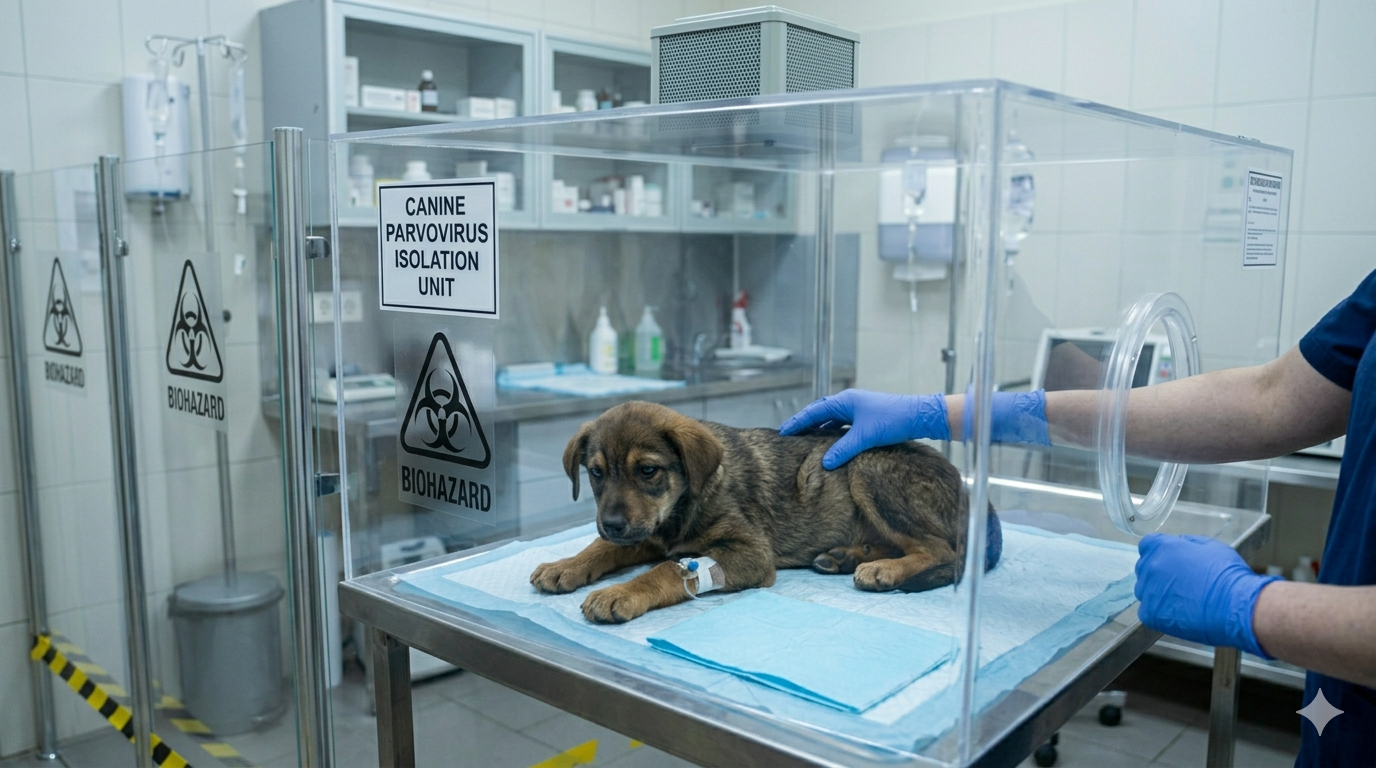
Canine parvovirus is one of the most dangerous diseases facing puppies. It attacks the intestinal lining and immune cells simultaneously, causing severe fluid loss, immune collapse, and bacterial invasion. The virus survives on surfaces for months and requires specific disinfectants to eliminate.
🦠 Main Causes
- Contact with infected feces (direct or indirect)
- Contaminated shoes, hands, floors, cages, bedding, or bowls
- Incomplete or delayed puppy vaccination series
- Stress, overcrowding, parasites, or poor nutrition
💉 Vaccination Schedule
- First dose: 6–8 weeks of age
- Boosters every 2–4 weeks until at least 16 weeks
- Adult boosters per vet advice
- High-risk puppies may need a customised plan
Warning Symptoms
A puppy with vomiting, bloody diarrhea, weakness, or dehydration needs immediate emergency veterinary treatment. Do NOT wait to see if symptoms improve. Every hour of delay worsens survival odds.
🛡️ Prevention
- Complete the full puppy vaccination schedule
- Avoid dog parks and public areas before vaccines complete
- Use parvo-specific disinfectants on all contaminated surfaces
- Isolate infected dogs from all other animals immediately
💊 Treatment Protocol
- Emergency hospitalisation and IV fluid therapy
- Electrolyte correction and glucose support
- Anti-nausea and anti-vomiting medication
- Antibiotics for secondary bacterial infections
- Intensive monitoring and nutritional support
Kennel Cough in Dogs
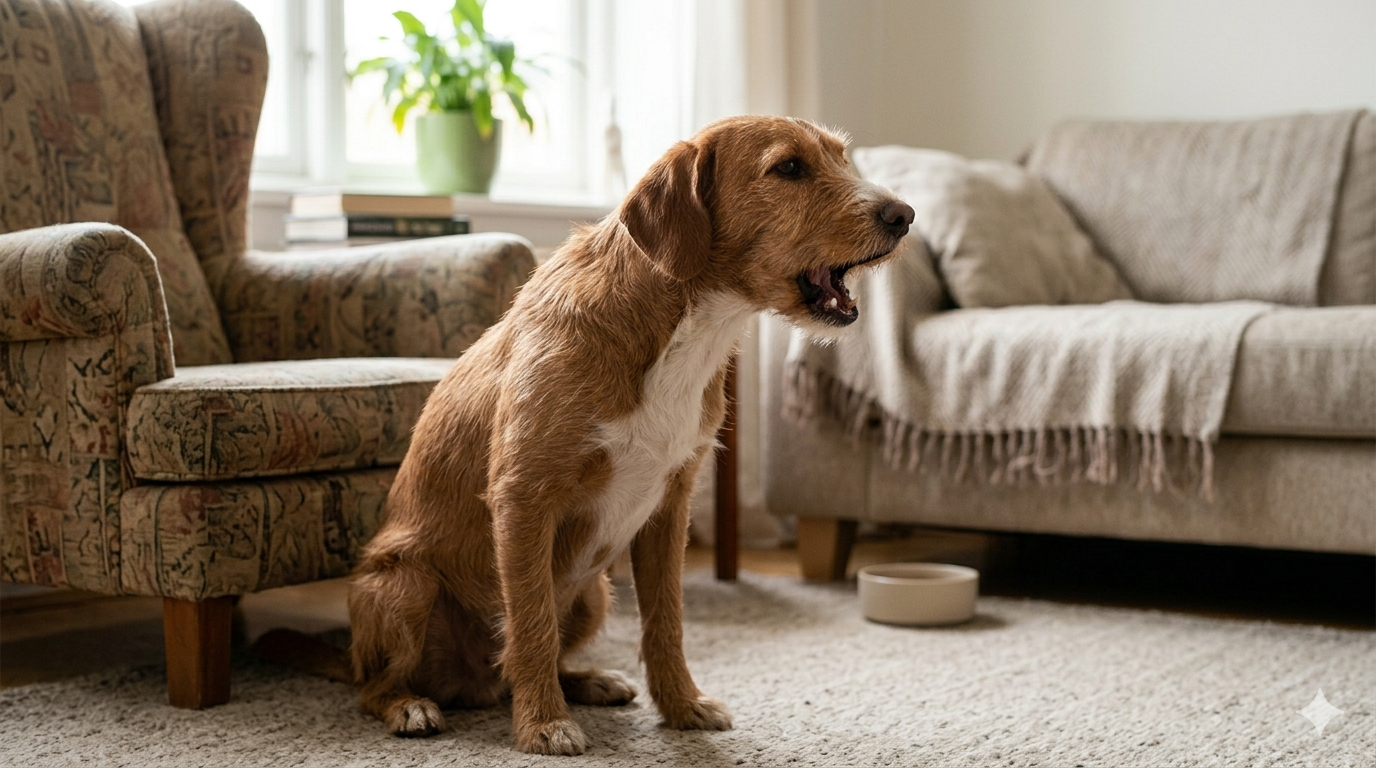
Kennel cough (canine infectious respiratory disease complex) is a highly contagious airway infection that spreads rapidly where dogs gather. While many adult dogs recover with rest, it can progress to serious pneumonia in vulnerable animals.
🦠 Main Causes
- Bordetella bronchiseptica bacteria
- Canine parainfluenza virus
- Canine adenovirus type 2
- Close contact in kennels, groomers, shelters, dog parks
💉 Vaccination Schedule
- Bordetella vaccine: intranasal, oral, or injectable forms
- High-risk dogs: annual or more frequent boosters
- Many boarding facilities require proof of vaccination
- Consult your vet for the right schedule
Warning Symptoms
See a vet if coughing lasts more than 3–5 days, your dog develops fever, loses appetite, shows breathing difficulty, weakness, or is a puppy, senior, or has underlying health conditions. Pneumonia can develop rapidly.
🛡️ Prevention
- Vaccinate dogs that visit boarding, groomers, or dog parks
- Avoid contact with coughing dogs
- Improve ventilation in kennels and shared spaces
- Clean shared bowls, cages, and bedding regularly
💊 Treatment Protocol
- Mild cases: rest, hydration, reduced exercise
- Avoid smoke, dust, and cold air
- Cough suppressants and anti-inflammatories if needed
- Antibiotics if bacterial infection is confirmed
- Pneumonia treatment for severe progression

Go to a Vet Immediately If You See Any of These
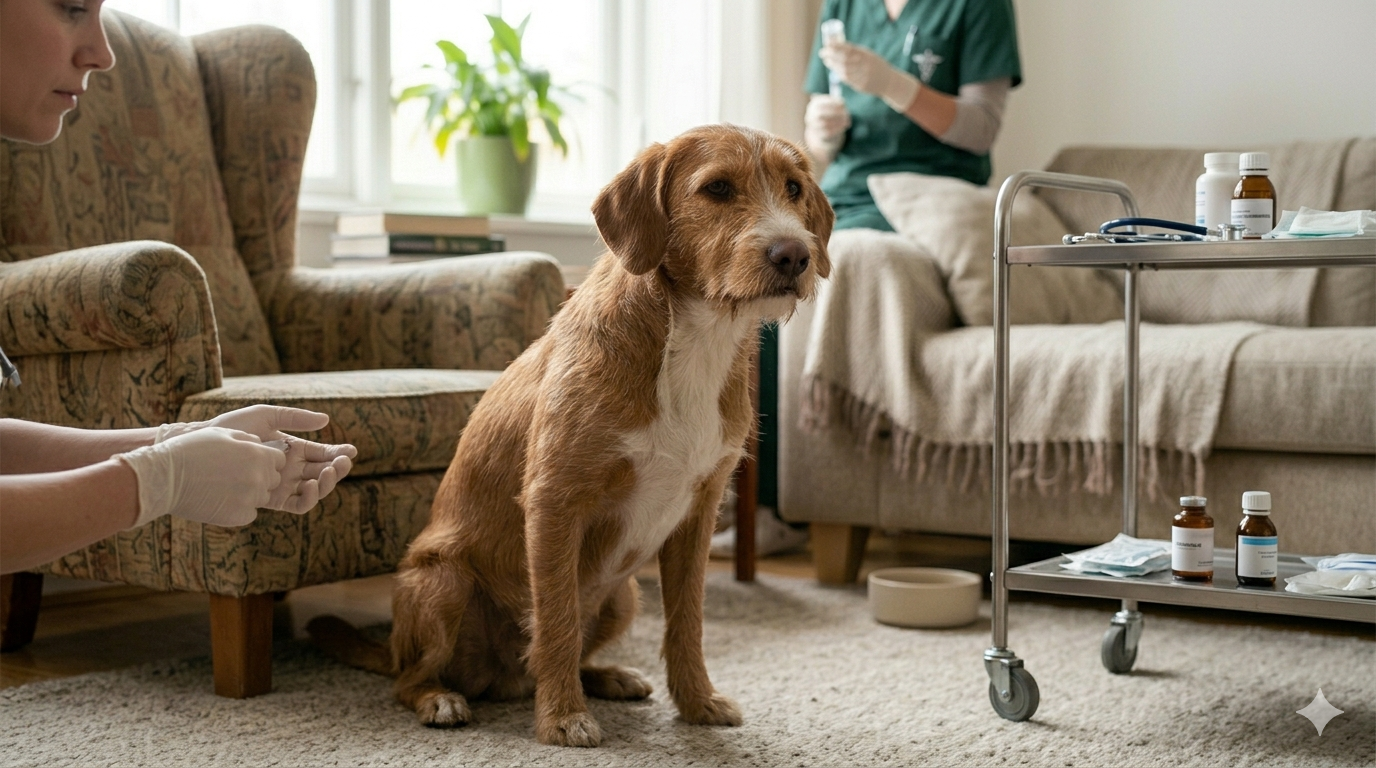
Do not wait, do not home-treat first. These signs indicate a potentially fatal emergency.
Sick Dog Care Tips at Home
These tips support care while you arrange veterinary treatment — they do not replace emergency vet care.
Common Dog Disease FAQs
Vet-reviewed answers to the questions dog owners ask most — optimised for Google Featured Snippets.
What are the most dangerous dog diseases?
Which dog disease causes bloody diarrhea?
Can rabies spread from dogs to humans?
How can I prevent common dog diseases?
Is kennel cough dangerous?
Can vaccinated dogs still get sick?
Can dog diseases spread through shoes or clothes?
Free Dog Disease Warning Signs Checklist
Save this printable checklist on your phone so you can identify dangerous symptoms instantly — even in an emergency.
Don’t Miss These Pet Owner Tools
Expert guides and free tools every responsible dog owner should bookmark.
References
This guide is based on peer-reviewed veterinary sources and recognised global health authorities.
Protect Your Dog Before Symptoms Appear
Keep vaccines current, check paw health regularly, and know your emergency signs. Early action saves dogs’ lives.
Educational Disclaimer: This guide is for educational purposes only. It does not replace a veterinary examination, diagnosis, or treatment plan. If your pet is unwell, contact a licensed veterinarian immediately. Content reviewed and updated May 2026. References from CDC, AVMA, AAHA, Cornell University, and Merck Veterinary Manual.