Basic Pet Training Tools for Better Command Prompting and Home Behavior
Basic pet training tools can make a big difference when you want clearer command prompting, faster learning, and calmer home behavior. Many pets do not struggle because they are stubborn. They struggle because training is inconsistent, rewards come too late, or the home setup does not support learning well. The right tools help owners communicate more clearly and reward the exact behavior they want. Current guidance supports reward-based training rather than aversive methods, because reward-based methods are safer for welfare and the human-animal bond.
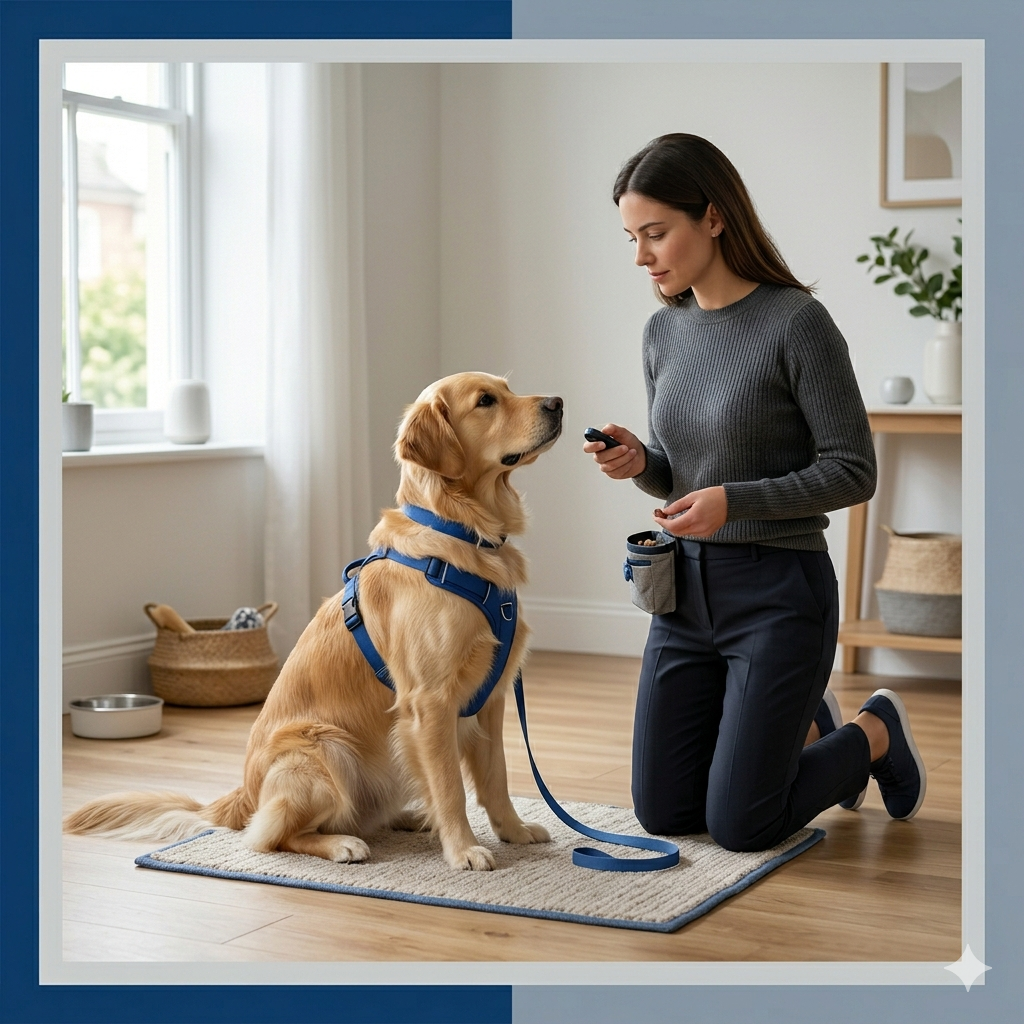
Good training tools do not need to be complicated. In most homes, a clicker, small treats, a treat pouch, a leash or harness, a target cue, and a few safe toys are enough to build strong basics. These tools help with everyday goals such as sit, stay, come, wait, polite walking, calm greetings, and better indoor manners.
Why Tools Matter in Pet Training
Training works best when the pet can quickly understand which action earned the reward. That is why timing matters so much. A clicker or another clear marker helps the pet understand the exact moment they did the right thing. Cats Protection explains that clicker training uses a consistent sound as a marker, while AVSAB and AKC both support positive reinforcement methods in training. This means the training tool is not there to punish. It is there to improve communication.
When owners train without structure, they often repeat commands too many times, reward too late, or react emotionally. A few basic tools reduce that confusion. They create a smoother routine and help the pet feel more successful.
1. Clicker for Clear Timing
A clicker is one of the most useful basic pet training tools because it marks the exact correct behavior. The sound is brief and consistent. For dogs and cats, this can be more precise than saying “good” in different tones each time. Cats Protection specifically notes that clicker training can be very effective for cats when done with correct timing and consistency.
A clicker works especially well for teaching simple commands, tricks, mat training, target work, and polite indoor behavior. Once the pet hears the click and then receives a treat enough times, the meaning becomes clear.
2. Small Training Treats
Training treats are important because they motivate the pet and help create a positive learning experience. Treats should be small, easy to swallow, and exciting enough to keep attention. For home training, tiny rewards often work better than large snacks because the pet can keep moving through short repetitions without getting too full.
If the timing of rewards is late, the pet may not connect the treat to the right behavior. This is why treats work best when paired with a clicker or a clear marker word.
3. Treat Pouch for Better Consistency
A treat pouch may seem simple, but it improves training a lot. It keeps rewards ready so the owner can respond quickly. Fast timing means better learning. It also helps make training look and feel more organized. Instead of searching pockets or containers, the owner stays focused on the pet.
For families trying to build better home routines, even smart observation tools such as a home monitoring device can help them notice when pets are restless, overexcited, or more responsive to training in certain parts of the day.
4. Comfortable Harness and Leash
A comfortable harness and leash are helpful for teaching guidance, polite walking, calm movement indoors, and controlled practice around distractions. Safe equipment matters. Harsh tools can create fear or confusion, while well-fitted gear supports safer training sessions. Reward-based guidance is especially important for pets learning home manners, doorway waits, and calm movement in shared spaces.
For dogs, this can support loose-leash walking and better entry behavior at doors. For indoor pets, it also helps with calm introductions, boundary work, and supervised practice sessions.
5. Target Tool or Hand Target
A target tool, or even a simple hand target, helps pets learn where to move. This can be very useful for teaching position changes, recall foundations, place training, crate entry, and polite movement around furniture. The pet learns to touch or move toward the target, then receives a reward. This makes learning more active and less confusing.
Target-based training is often especially helpful for shy pets because it gives them a clear job and a predictable reward pattern.
6. Mat or Designated Training Spot
A mat is one of the most underrated training tools. It teaches the pet where calm behavior happens. Over time, the mat can become a strong cue for settle, stay, wait, and relaxed indoor behavior. This is very useful during family meals, guest visits, or active household moments.
Home setup matters too. Practical room organization, easy-clean surfaces, and defined pet areas can support better training. Household tools like cleaning accessories for organized pet-care spaces, eco-friendly reusable home essentials, and home organization and decor solutions can help families maintain a calm, tidy training environment.
7. Safe Toys for Redirection
Safe toys are not just for play. They are also training tools. They help redirect chewing, nipping, pouncing, boredom, and excess energy. AKC notes that redirecting puppies to chew toys can help curb biting, and the same idea applies more broadly to home manners. A toy can reward calm behavior, interrupt a bad habit, or provide an alternative outlet for energy.
This is one reason training and enrichment should work together. A pet with no outlet for natural behavior often struggles more with focus and commands.
What Tools to Avoid
Not every tool helps. AVSAB states that only reward-based methods should be used and warns that aversive methods can harm welfare and the human-animal bond. That means tools associated with fear, pain, or intimidation are not the best route for better command prompting. Clearer timing, consistent rewards, and humane management are the smarter long-term approach.
How to Use These Tools Together
A simple home session can look like this: put treats in the pouch, start in a quiet room, ask for one easy behavior, click the correct response, reward immediately, repeat a few times, then end on success. Keep sessions short. Stay consistent with your cue words. Use the mat for calm practice, the harness for guided movement, and toys for redirection when needed.
The goal is not to buy many products. The goal is to create better communication. With a few basic pet training tools, owners can improve cue clarity, reduce frustration, and build better daily behavior at home.
For more pet and family behavior guidance, visit the One Health Globe homepage. You can also explore trusted behavior guidance from the American Veterinary Society of Animal Behavior, reward-based training advice from the American Kennel Club, and feline clicker guidance from Cats Protection.
Keep Regular Visiting https://onehealthglobe.com/
FOLLOW PAGE FOR MORE
https://web.facebook.com/onehealthglobe/
#OneHealth #PetTraining #DogTraining #CatTraining #PositiveReinforcement #PetBehavior #HomeBehavior #AnimalSafety #PetCare #HealthyHomes