How to Prevent Cat Paw Scratches at Home
📋 What You’ll Learn in This Guide
Cat paw scratches are common, but many of them can be prevented. In most homes, scratching is not caused by aggression alone. It often happens during rough play, fear, overstimulation, or poor handling. When families understand why cats scratch, they can lower the risk and create a safer environment for everyone.
Why Cats Scratch During Daily Life
Cats use their paws to play, stretch, defend themselves, and communicate discomfort. A cat may scratch if it feels trapped, annoyed, or overexcited. This is why learning early warning signs matters.
🚨 Early Warning Signs Your Cat May Scratch
- Flattened or pinned-back ears
- Rapidly flicking or puffed tail
- Wide, dilated pupils
- Stiff or tense body posture
- Low growl or hissing sound
- Skin rippling along the back
Understanding these signs helps families prevent cat paw scratches before they happen. It also builds trust between the animal and the people around it. According to AVMA guidelines, recognizing feline body language is one of the most effective injury prevention tools available to pet owners.
When people respect feline behavior signals, scratch incidents drop dramatically. Most defensive scratches are the cat’s last resort — not its first choice.
— AVMA Animal Welfare Guidelines, referenced by One Health GlobeUse Toys Instead of Hands
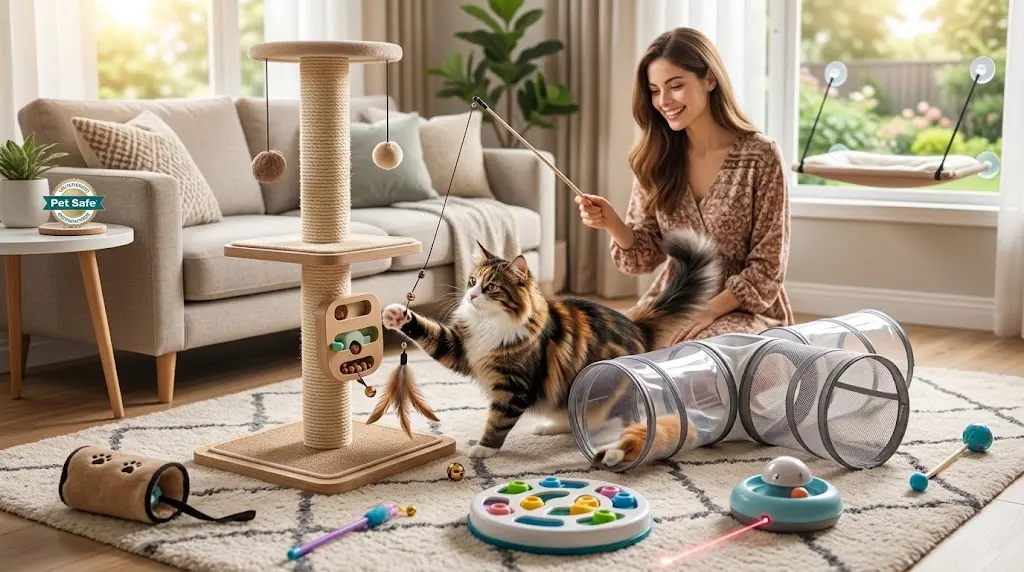
A very common mistake is using fingers or hands during play. This teaches the cat that human skin is a target. Over time, that habit significantly increases the chance of accidental scratches — especially with kittens who grow into this pattern.
Feather Wands
Allow cats to hunt and pounce from a safe distance. Keeps hands completely away from claws during active play sessions.
Soft Chase Balls
Encourage independent play. Cats can bat, chase and pounce without needing human hands as a target.
Tunnel Toys
Give cats a place to hide, stalk and ambush toys instead of feet or hands. Reduces redirected play aggression.
Laser Pointers
Provide mental and physical stimulation without any physical contact. Always end laser sessions with a physical toy to catch.
These tools let cats release energy without targeting human skin. This approach supports better overall pet wellbeing, which aligns with the safety-first mission of One Health Globe.

3-way crinkle tunnel with dangling toys. Satisfies hunting instinct and keeps claws away from hands during play. Reduces redirected scratching significantly.
🛒 Shop on DHgate →Nail Care and Scratching Posts Matter
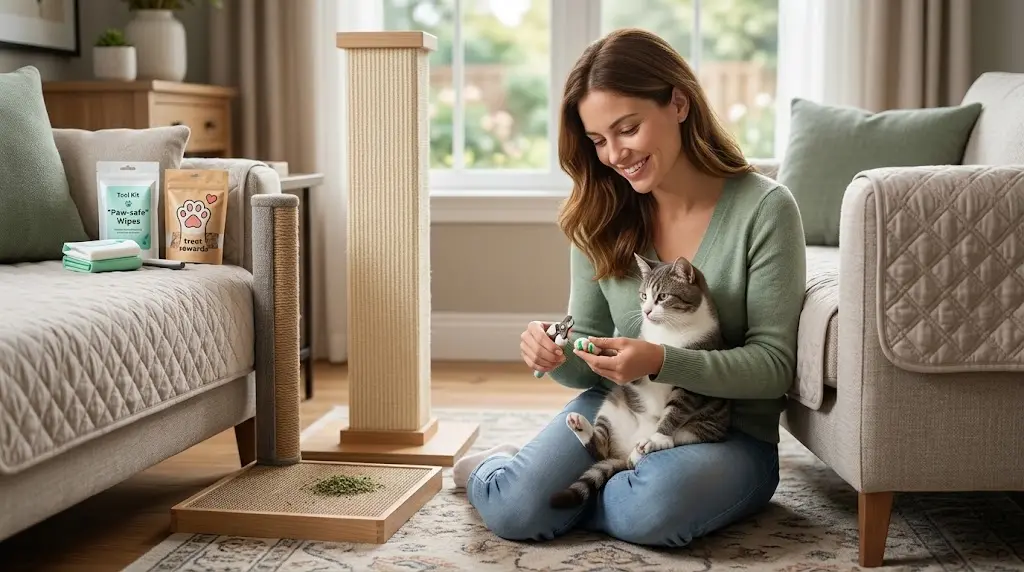
Regular nail trimming helps reduce the severity of scratches significantly. It does not remove natural behavior, but it dramatically lowers the damage caused by accidental contact. Most veterinarians recommend trimming every 2 to 4 weeks depending on the cat’s activity level and indoor time.
✂️ Nail Trimming Quick Guide
Scratching posts are equally important. They give cats a proper place to stretch, mark territory, and maintain claw health. Place scratching posts in areas where the cat already spends time — near their sleeping area, beside furniture they target, or next to windows they watch from.

Built-in LED light and safety guard prevents cutting the quick. Vet-approved design rated 4.9 stars. Makes nail trimming stress-free for both cat and owner.
🛒 Shop on DHgate →🔗 Related OHG Guides You Should Read
- Ragdoll Cat Temperament — Why They Rarely Scratch
- Free Paw Health Scanner — Check Your Pet’s Paws in 30 Seconds
- Pet First Aid Kit Checklist — What to Do After a Scratch
- Pet Safety Hub — Complete Family & Pet Safety Resource
- Free Vaccine Tracker — Stay Up to Date on Cat Health
- Shop Vet-Reviewed Pet Products — 68 Expert Picks
🔬 Check Your Cat’s Paw Health Right Now
Our free AI-powered paw scanner detects pad issues, nail problems and infection signs in 30 seconds. No vet visit needed — free PDF report included.
Teach Children Safe Interaction
Children should be taught not to grab, chase, or disturb a cat while it is eating or resting. These are the moments when defensive scratching is most likely to occur. Even the most gentle cat will react when startled from sleep or interrupted during feeding.
Gentle Petting Rules
Teach children to pet slowly along the back, never against the fur. Avoid the belly, tail base, and paws — cats’ most sensitive areas.
Quiet Approach
Always approach cats calmly and let them sniff your hand first. Never run toward or lunge at a cat — sudden movements trigger defensive responses.
Adult Supervision
Children under 7 should always be supervised with cats. Even a gentle child can inadvertently trigger a scratch through excitement or misreading signals.
Toy-Only Play
Reinforce the rule that hands are never toys. Keep a wand toy accessible so children always have an appropriate substitute during play time.
Keep the Home Calm and Stress-Free
Cats respond far better in predictable, low-stress environments. Loud noise, forced holding, and sudden touching can sharply raise stress hormones in cats, which directly increases scratching risk — especially in multi-pet or busy households.
A calm routine with regular feeding times, scheduled play sessions, and dedicated rest areas makes cats feel significantly more secure. When cats feel safe and in control of their environment, defensive behaviors including scratching decrease naturally.
🏡 Low-Stress Home Setup Checklist
When people consistently respect feline behavior and boundaries, it becomes much easier to prevent cat paw scratches in a natural and humane way — without punishment or aversion tools that can damage trust.
🚨 After a Cat Scratch — What to Do Immediately
Wash the wound with soap and water for at least 5 minutes. Apply antiseptic and cover with a clean bandage. Monitor for redness, swelling, warmth, or fever over the next 3–5 days. Cat Scratch Disease (Bartonella henselae) affects approximately 12,000 people per year in the US. Seek medical attention promptly if any infection signs appear. Follow CDC guidelines for cat scratch wound care.
Final Summary — Prevention Checklist
✅ Complete Cat Scratch Prevention Checklist
Frequently Asked Questions
Why do cats scratch people at home?
How often should I trim my cat’s nails to prevent scratches?
What toys are safest for playing with cats?
How do I teach children to interact safely with cats?
What should I do after a cat scratch?
Continue Reading on One Health Globe
Free AI paw scanner checks for pad damage, nail problems and infection in 30 seconds. No signup needed — instant PDF report.
Run Free Paw Scan →Vet-reviewed checklist of everything you need in a home pet first aid kit — including what to do immediately after a scratch.
View Checklist →Complete family and pet safety resource covering toxic plants, zoonotic diseases, emergency awareness and safe handling.
Visit Safety Hub →