Biodiversity Blooms Financial Outcomes for Ecotourism
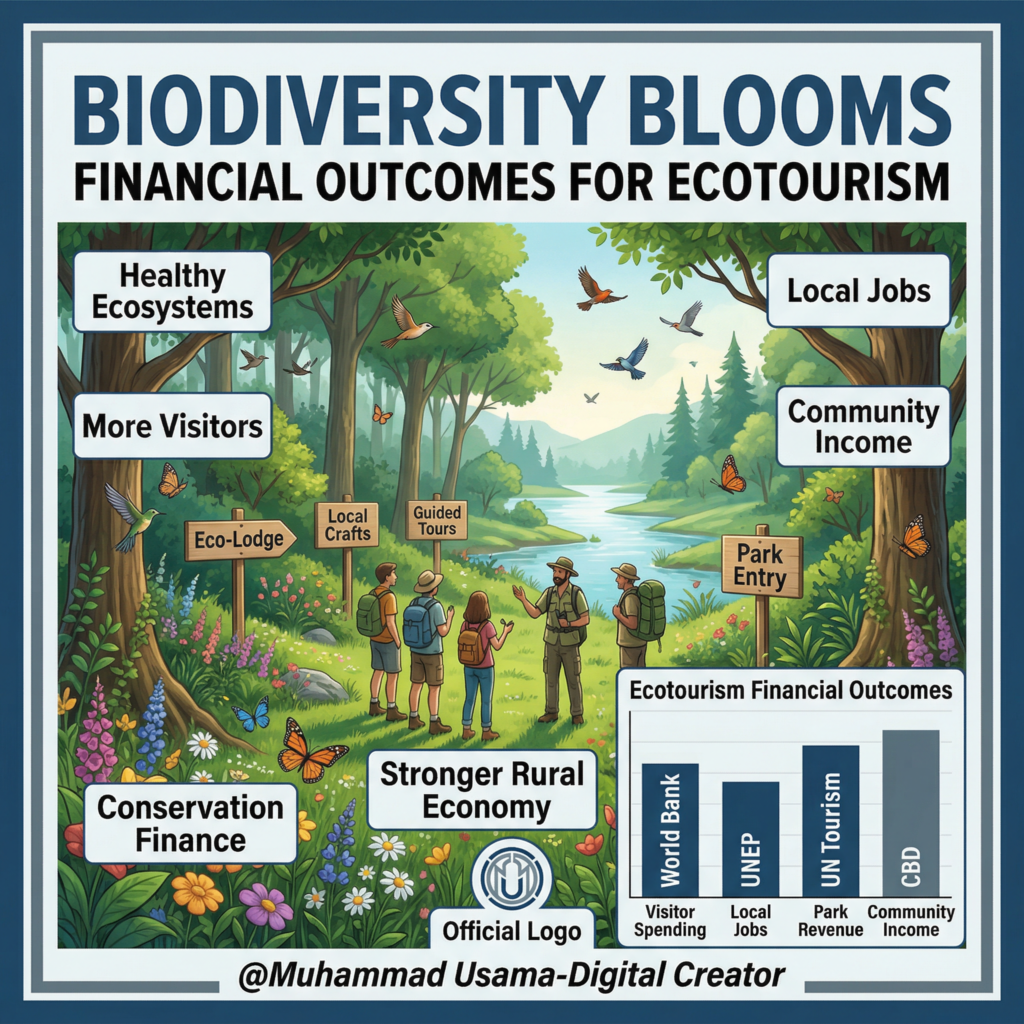
Biodiversity is not only an environmental asset. It is also a business asset for destinations that depend on nature-based travel. Forests, wetlands, coral reefs, wildlife, and scenic landscapes attract visitors, support local jobs, and create spending across transport, food, guiding, lodging, and crafts. UN Tourism defines ecotourism as tourism that raises awareness for conserving biodiversity, the natural environment, and cultural assets.
When biodiversity is protected, ecotourism usually becomes more valuable over time. The World Bank says nature-based tourism can help countries meet development goals while promoting biodiversity conservation, and it can generate financing for conservation through entrance fees, concessions, leasing fees, and related mechanisms. It also notes that nature-based tourism drives about 8 billion visits each year to protected areas globally.
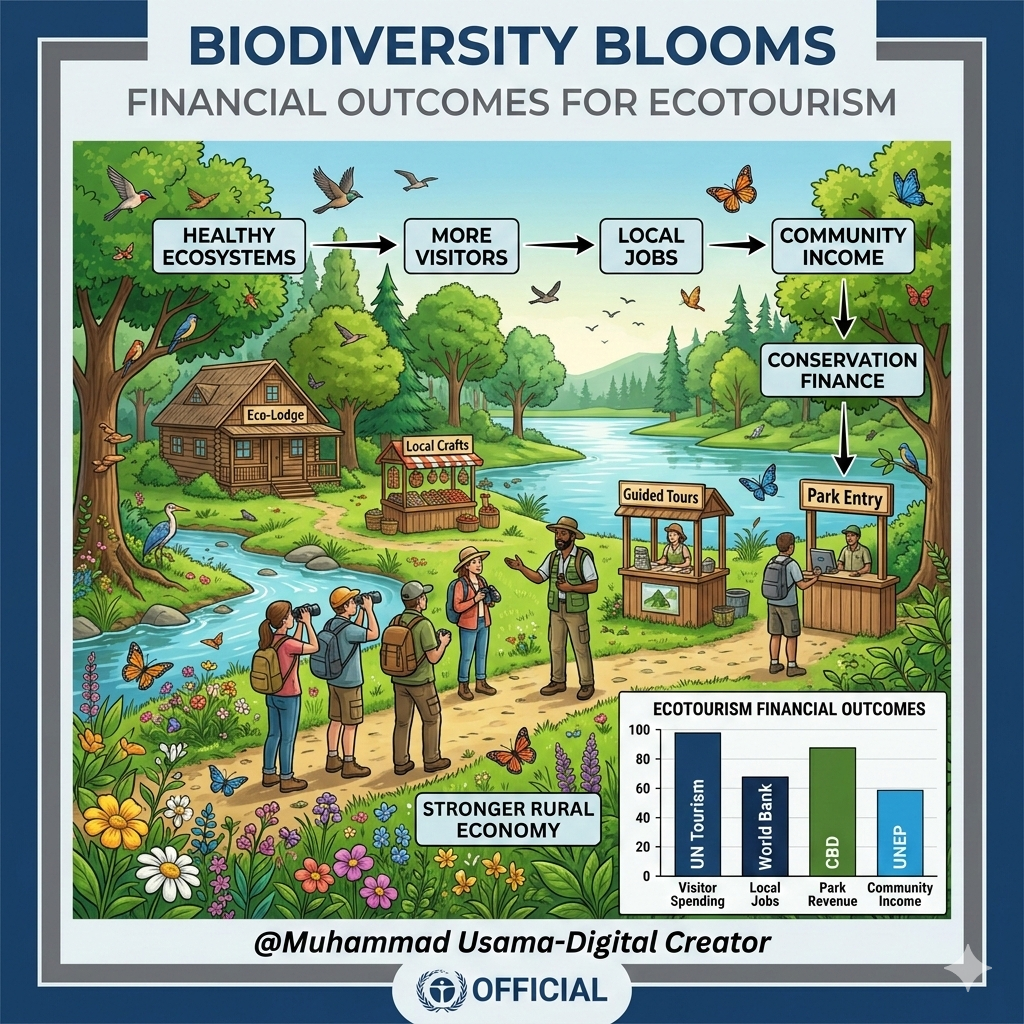
The financial effect does not stop at ticket sales. World Bank reporting highlights local household income multipliers of about $2 to $5 for every tourist dollar spent in nature-based tourism settings. That means biodiversity-rich destinations can stimulate wider local business activity, not just park revenue. For a growing platform like <a href=”https://onehealthglobe.com/” rel=”dofollow”>One Health Globe</a>, this is a strong example of how ecology and economics can support each other.
UNEP also stresses that tourism can provide local people with income and create incentives to preserve the natural environment. This matters because damaged ecosystems may reduce visitor interest, shorten stays, and weaken the identity of an ecotourism destination. In contrast, healthy biodiversity can strengthen branding, repeat visits, and local pride.
For communities, the best financial outcomes come when conservation and tourism planning work together. The Convention on Biological Diversity has long promoted approaches that make tourism and biodiversity more mutually supportive, including better land-use planning, community participation, and sustainable infrastructure. That reduces the risk of short-term tourism gains causing long-term ecological loss.
Ecotourism works best when people protect the asset that visitors come to see. Destinations that conserve biodiversity are often better positioned to earn, diversify, and endure. Travelers looking for responsible outdoor experiences can also explore <a href=”https://kkday.sjv.io/AgonDR” rel=”dofollow sponsored”>eco-friendly travel activities and tours</a> that align with sustainable tourism values.
Keep Regular Visiting <a href=”https://onehealthglobe.com/” rel=”dofollow”>https://onehealthglobe.com/</a> FOLLOW PAGE FOR MORE <a href=”https://web.facebook.com/onehealthglobe/” rel=”dofollow”>https://web.facebook.com/onehealthglobe/</a> #OneHealth #AnimalSafety #PublicHealth #ZoonoticDiseases #PetSafety #FamilySafety #FoodSafety #RabiesPrevention #HealthyCommunities #HealthSecurity
#Ecotourism #Biodiversity #NatureBasedTourism #GreenEconomy #SustainableTravel #ConservationFinance #RuralDevelopment #ClimateSustainability #OneHealth #EcoBusiness