How a Conducive Learning Environment Enhances Quality Education
What “conducive learning environment” really means
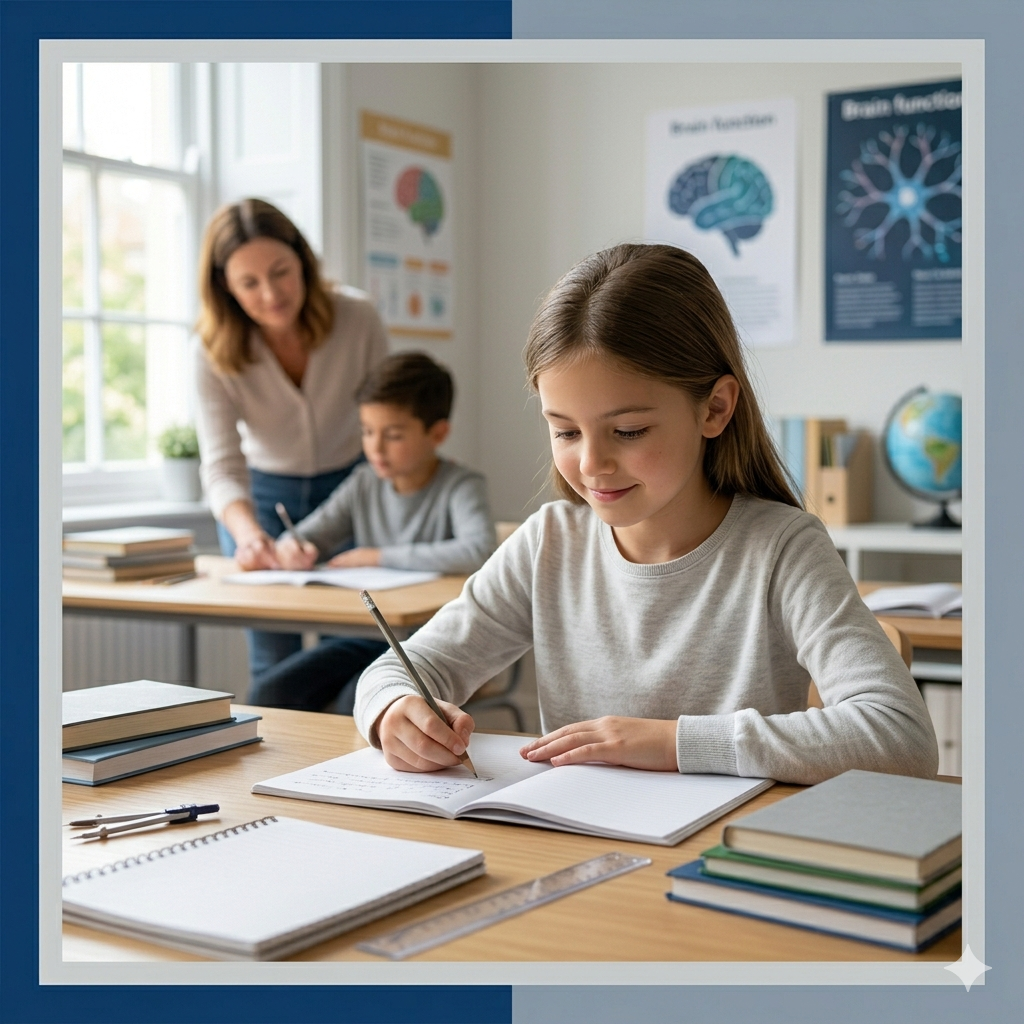
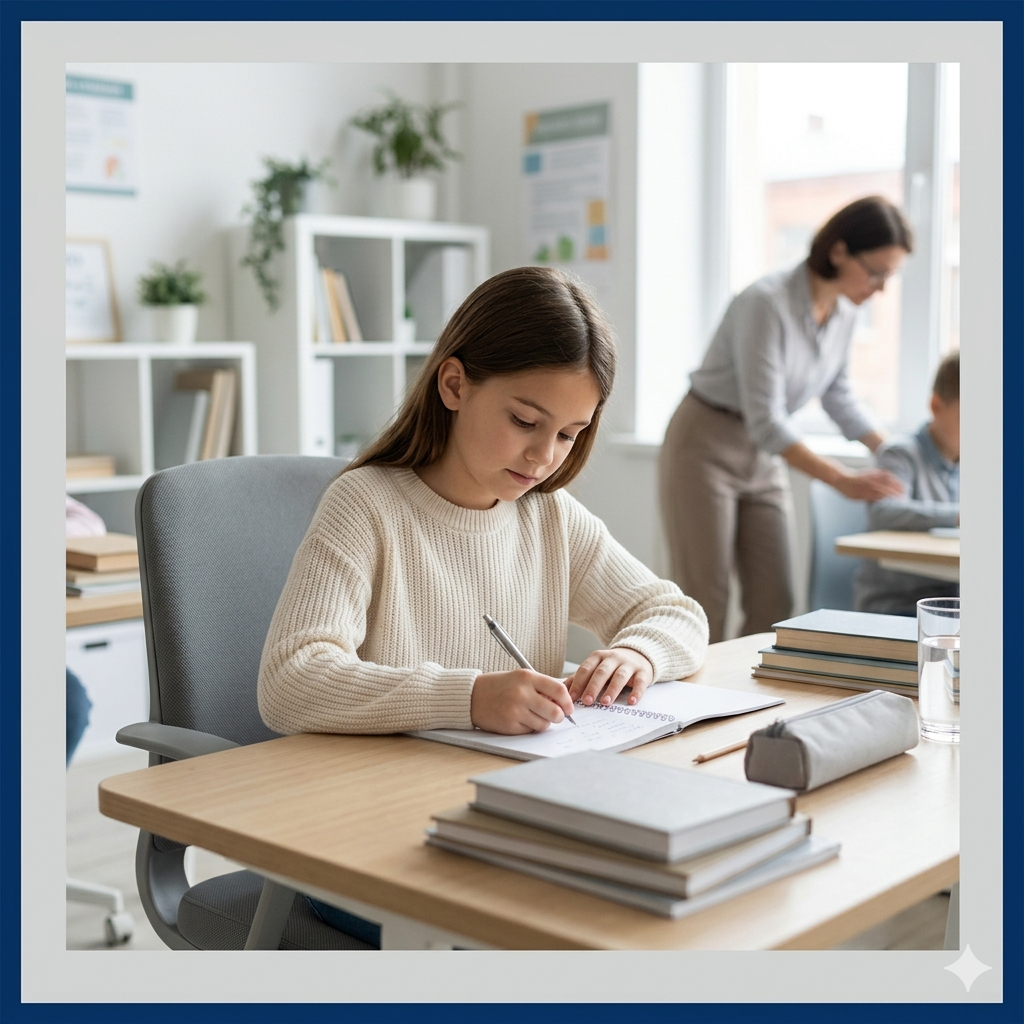
A conducive learning environment is a space where students can focus without constant distraction or discomfort. It includes clean air, good light, lower noise, safe classrooms, respectful behavior, and clear routines. When these basics are present, students spend less mental energy coping and more energy learning.
The science behind better learning spaces
Research links indoor air quality and ventilation with attention and school outcomes. A review on school indoor air quality reports associations between higher classroom CO₂ levels and worse attendance/test scores, and experimental findings that attention can drop when CO₂ rises.
https://pmc.ncbi.nlm.nih.gov/articles/PMC7420173/
Public health agencies also emphasize ventilation as a key part of maintaining healthier school environments.
https://www.cdc.gov/niosh/ventilation/guidelines/index.html
Noise is another major factor. Studies and meta-analyses show that higher classroom or environmental noise can harm attention and learning performance, while noise control can improve outcomes.
https://pubmed.ncbi.nlm.nih.gov/39625408
Lighting matters too. Evidence suggests classroom lighting/daylight conditions influence student comfort and performance.
https://www.ucl.ac.uk/bartlett/news/2022/mar/importance-daylighting-classrooms-and-its-effect-primary-students-academic-performance
Practical ways to build a conducive environment (low-cost first)
Improve air quality and ventilation
- Open windows during breaks when outdoor air is cleaner.
- Use fans for air movement (where safe).
- If budget allows, use filtration in high-smog seasons (support, not replacement for ventilation).
Reduce noise and distractions
- Seat students away from doors/roads if possible.
- Use soft materials (curtains/boards) to reduce echo.
- Set quiet learning rules and phone-free routines.
Optimize lighting for reading and focus
- Maximize daylight without glare.
- Ensure working bulbs in every classroom.
- Use consistent, non-flickering lighting.
Build safety + respect as the “invisible infrastructure”
- Clear classroom rules, fair discipline, anti-bullying steps.
- Predictable routines: same start, same instructions, quick checks.
Simple checklist schools can use weekly
- Air: fresh air breaks daily
- Noise: quiet zones and seating plan
- Light: bulbs working + glare controlled
- Cleanliness: dust control, safe water access
- Routine: clear instructions + feedback
Affiliate link (relevant to skills + learning pathways):
https://careeristinc.pxf.io/R5LOEv