How Social Media Work Habits Can Worsen Forward Tilt Posture in Freelancers
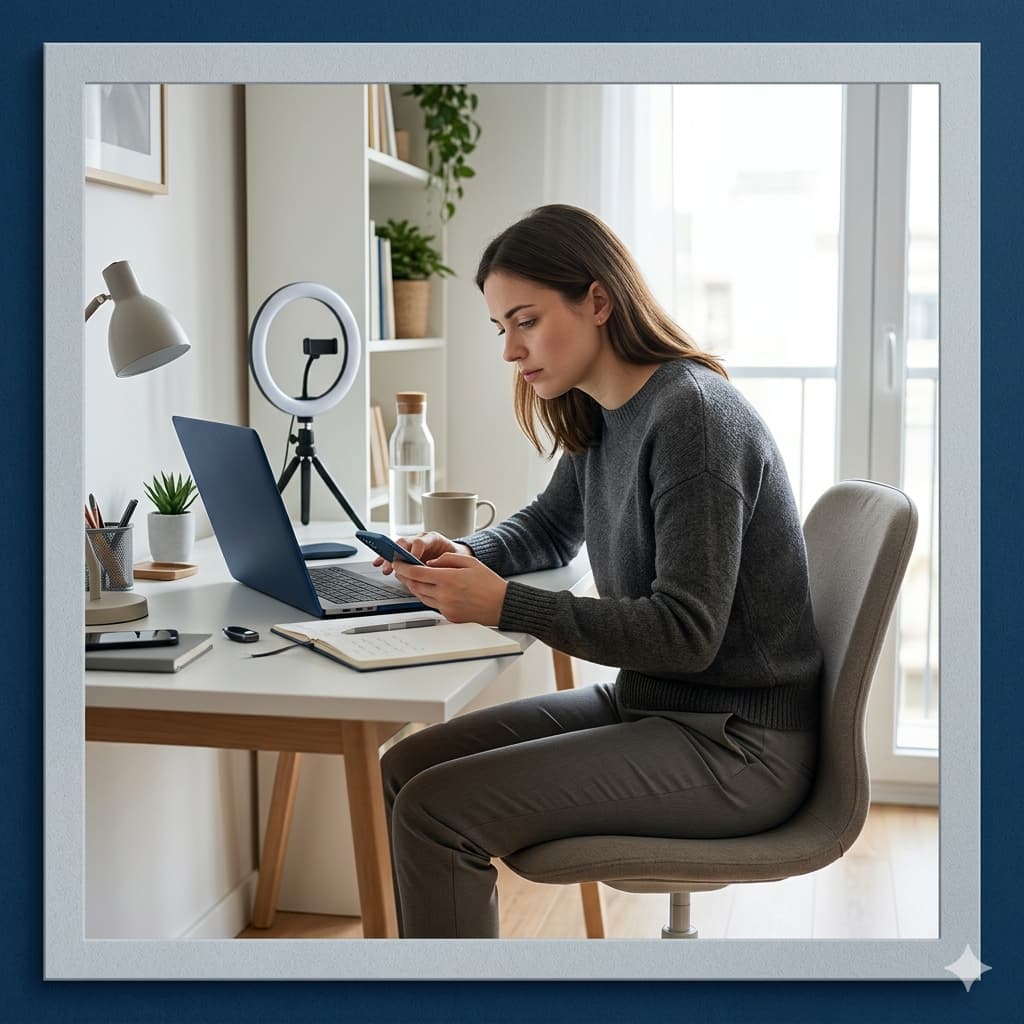
Freelancers often spend long hours switching between laptops, phones, editing tools, and social media dashboards. Over time, this routine can encourage a forward-tilted head, rounded shoulders, and a slouched upper back. While people may casually describe this as a “spinal bend,” the more accurate concern is poor posture and strain around the neck, shoulders, and upper back rather than the spinal cord itself.
This matters because musculoskeletal conditions affect about 1.71 billion people worldwide, and low back pain is the leading cause of disability in 160 countries. For freelancers, long periods of sitting and static screen work can add to that burden.
Why Social Media Work Can Make Posture Worse
Freelance work tied to social platforms often involves repetitive scrolling, editing, replying, reviewing analytics, and working without enough breaks. A systematic review on remote working found physical effects that included musculoskeletal disorders, back pain, neck pain, repetitive strain injury, eye strain, and fatigue.
OSHA notes that a properly adjusted workstation helps reduce awkward postures, and the monitor should be placed in front of you at a height where you can look straight ahead instead of tilting your head forward or backward. Mayo Clinic similarly advises keeping the screen about an arm’s length away, with the top of the monitor at or slightly below eye level.
What Freelancers Commonly Do Wrong
Many freelancers work from beds, sofas, or poorly arranged desks. Others spend hours looking down at a phone between laptop tasks. Neck pain is common, and Mayo Clinic notes that poor posture from leaning over a computer or hunching over work can strain neck muscles.
A side effect of constant online work is that the body stays in one position for too long. OSHA says jobs requiring long periods of static posture may need several short rest breaks, and workers should stand, stretch, and move around during them.
What Helps
The goal is not perfection. It is consistency. A better chair, screen at the right height, elbows relaxed, feet supported, and short movement breaks can reduce unnecessary strain. OSHA also recommends neutral body posture, with the head and neck balanced and in line with the torso.
For chronic low back pain, WHO recommends person-centred, non-surgical care and includes approaches such as education, exercise, and physical therapies, while also emphasizing more physical activity and reduced strain during physical work.
Freelancers can also reduce endless manual platform time by using <a href=”https://circleboom.pxf.io/XYWbX4″ rel=”dofollow sponsored”>social media scheduling and workflow support</a>, which may help cut unnecessary scrolling and repetitive posting time. For broader One Health and lifestyle content, visit <a href=”https://onehealthglobe.com/” rel=”dofollow”>One Health Globe</a>.
Final Thought
Social media work may support freelance income, but poor work habits can slowly damage posture. The real risk is not “social media” alone. It is prolonged screen time, bad ergonomics, and too little movement. If posture changes are severe, painful, or linked with numbness or weakness, professional medical evaluation is important.
Keep Regular Visiting <a href=”https://onehealthglobe.com/” rel=”dofollow”>https://onehealthglobe.com/</a> FOLLOW PAGE FOR MORE <a href=”https://web.facebook.com/onehealthglobe/” rel=”dofollow”>https://web.facebook.com/onehealthglobe/</a> #OneHealth #AnimalSafety #PublicHealth #ZoonoticDiseases #PetSafety #FamilySafety #FoodSafety #RabiesPrevention #HealthyCommunities #HealthSecurity
#FreelancerHealth #PostureCorrection #RemoteWorkHealth #NeckPain #BackPain #Ergonomics #SocialMediaWork #MusculoskeletalHealth #DigitalWellbeing #OneHealth