Pet Safety Checklist for Families With Kids Living Indoor
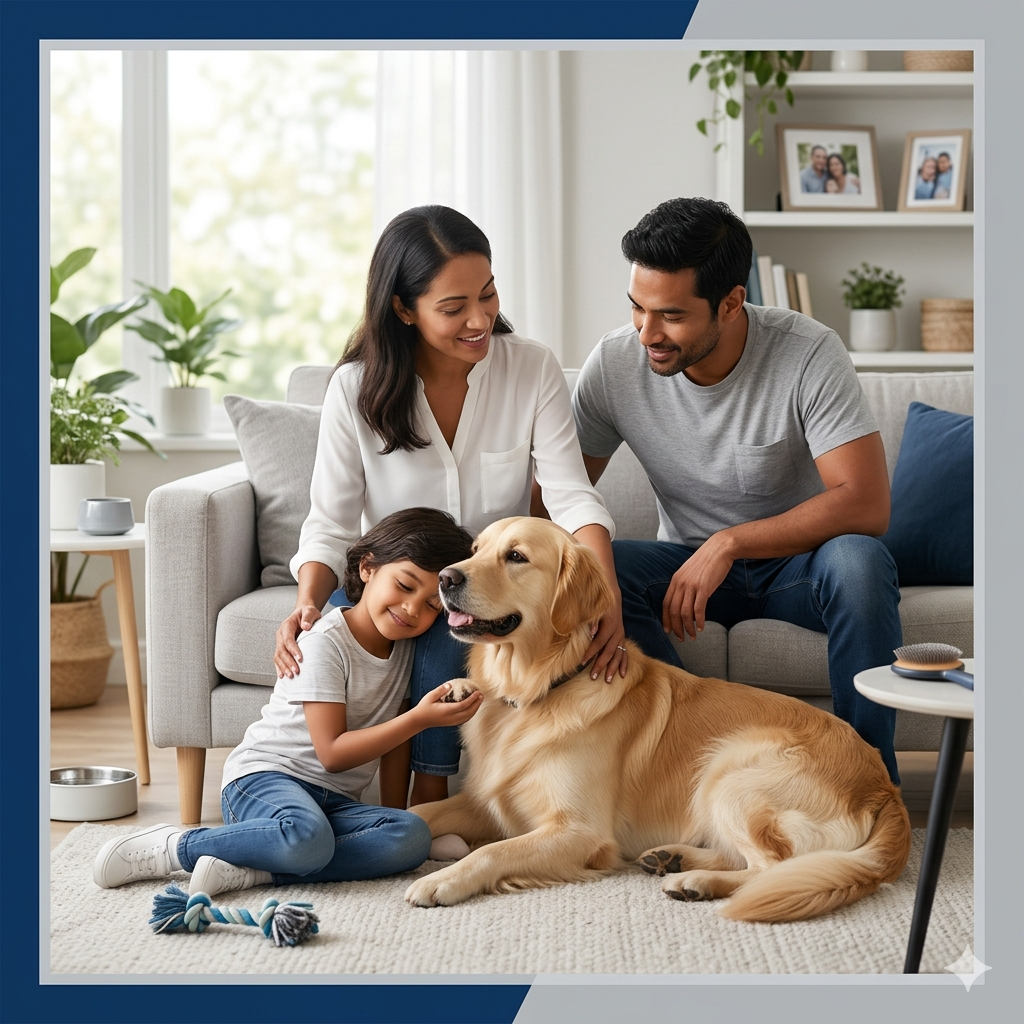
Pet safety checklist for families with kids living indoor should start with one simple rule: children and pets need supervision, structure, and a calm home setup to stay safe together. A pet-friendly home is not only about love for animals. It is also about reducing bites, scratches, stress, choking risks, poison exposure, and daily accidents that can happen when children and pets share indoor space.
Families often focus on toys, food, and comfort first. However, real indoor pet safety begins with routines. Kids should learn gentle behavior. Pets should have a quiet place to rest. Dangerous products should stay locked away. Feeding time should be managed carefully. With a few clear home habits, families can protect both children and pets while also creating a more peaceful indoor environment.
1. Always Supervise Kids Around Pets
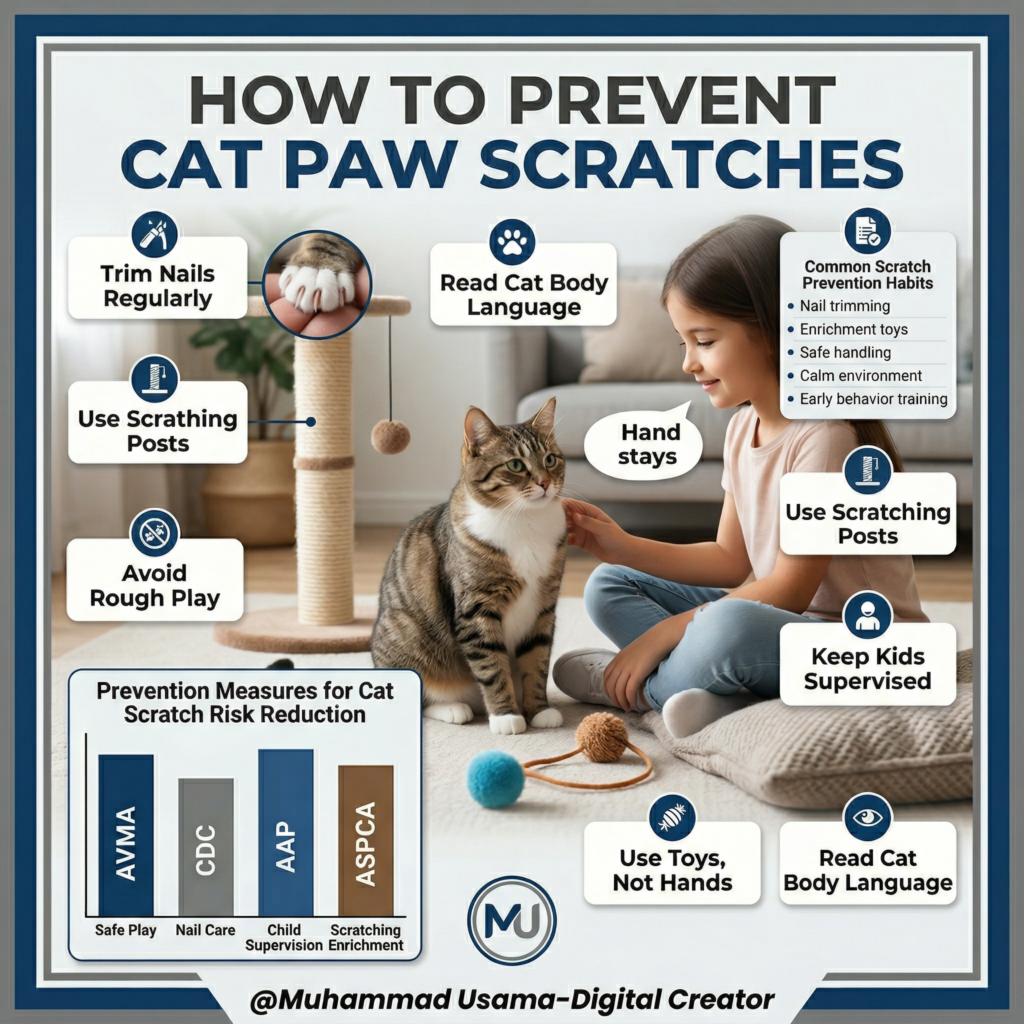
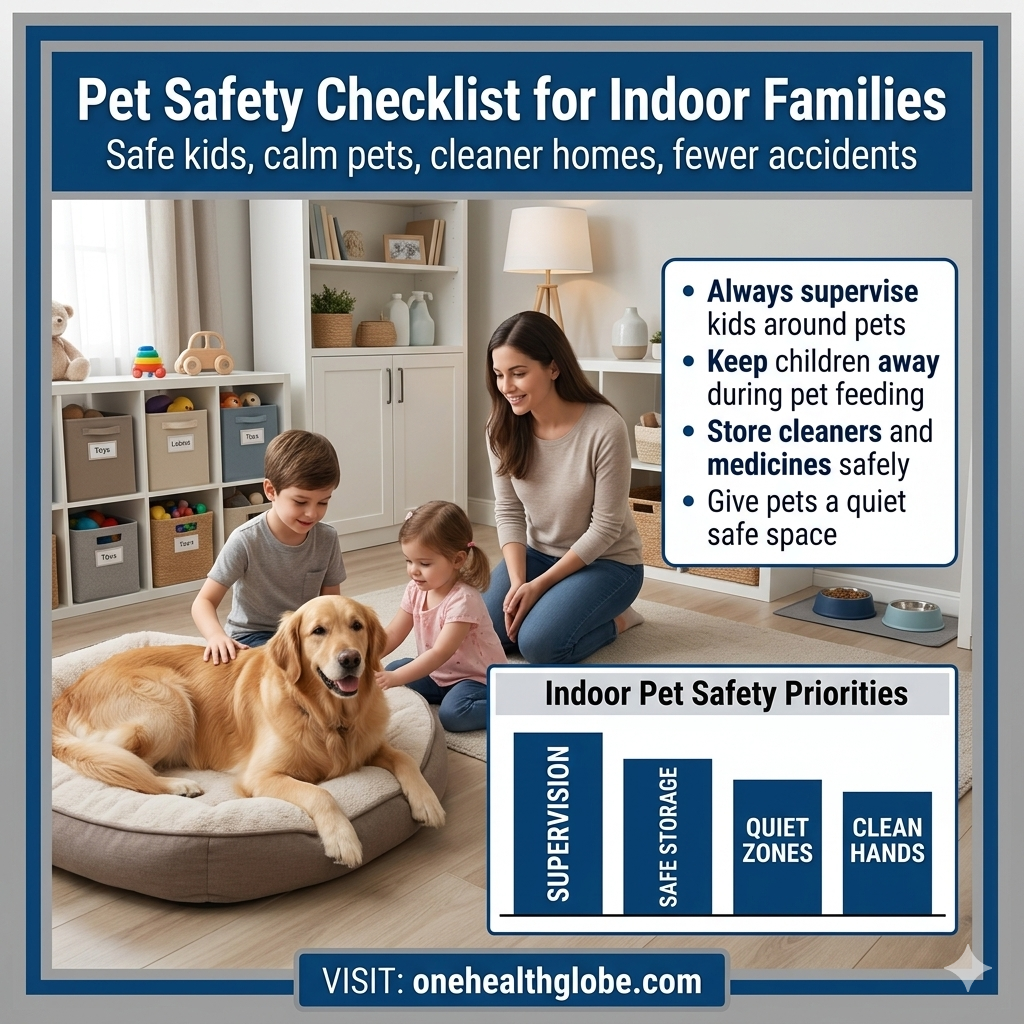
The most important rule is active supervision. Children, especially younger ones, should not be left alone with a dog or cat. Even gentle pets can bite or scratch if they become scared, surprised, uncomfortable, or overstimulated. Safe supervision matters during play, cuddling, and even quiet time because children may not notice warning signs such as tail flicking, stiff posture, growling, hiding, or attempts to move away.
If you want better visibility in different parts of the home, a smart home monitoring device can help parents keep an eye on shared pet-child spaces more easily during busy indoor routines.
2. Teach Children Gentle Touch and Respect
Children should learn that pets are not toys. Teach kids not to pull tails, grab ears, disturb a resting animal, hug too tightly, chase a pet, or climb on an animal. Calm, soft, and respectful interaction lowers stress for the pet and lowers injury risk for the child. This is especially important in indoor homes where pets cannot easily escape repeated attention.
3. Keep Children Away During Feeding Time
Feeding time can be sensitive for many pets. Some animals become protective around bowls, treats, or favorite chew items. Children should not place their faces near a pet that is eating, and they should not try to take food away. A separate feeding corner makes this easier and safer for everyone.
4. Give Pets a Quiet Safe Zone
Every indoor pet needs a place where it can rest without being disturbed. This may be a crate, bed corner, cat tree, quiet room, or a small retreat area. When pets have a secure space, stress often drops. Children should be taught that this zone is the pet’s private place and should not be invaded during naps or downtime.
For families organizing pet corners inside a shared home, practical home layout choices and durable decor can help protect both pets and furnishings. Options such as home organization and decor items or premium furniture and room styling pieces can support a cleaner, better-defined indoor setup for pet beds, toy zones, and family traffic flow.
5. Store Cleaners, Medicines, and Small Objects Safely
Indoor homes contain many hidden hazards for pets and children. Cleaning products, detergent pods, medicines, cosmetics, essential oils, batteries, cords, and small detachable objects should never stay within easy reach. Pets may chew or lick harmful items, and children may accidentally leave risky objects on the floor after play. Safe storage in closed cabinets is one of the strongest everyday safety habits for indoor families.
6. Choose Safe Toys for Both Kids and Pets
Do not let pet toys and children’s toys become mixed together. Small toy parts, strings, beads, and broken pieces can create choking or swallowing risks. Pet toys should be suitable for the size and play style of the animal, while children should understand that pet toys are not for rough teasing games. Keeping items separated also helps reduce household clutter and confusion.
7. Keep Floors and Shared Spaces Clean
Clean floors are part of indoor pet safety. Food crumbs, broken plastic pieces, dropped snacks, hair ties, and craft items can become hazards very quickly. Regular wiping and careful washing of bowls, mats, and pet areas also improve hygiene for families with young children.
Simple home-care tools such as sink and cleaning accessories and eco-friendly reusable household essentials can help families keep pet feeding zones, hand-washing areas, and indoor cleaning routines more organized.
8. Wash Hands After Pet Contact
Children should wash their hands after touching pets, handling toys, cleaning litter or cages, or helping with feeding. Good hand hygiene helps reduce germ spread from saliva, fur, scratches, litter, and food areas. This is a simple habit, but it is one of the most useful for indoor families.
9. Watch for Stress Signals in the Pet
Many bites and scratches happen after a pet has already shown warning signs. Parents should learn basic stress signals such as hiding, lip licking, pinned ears, growling, snapping, swishing tails, tense posture, or repeated escape attempts. When a pet shows discomfort, stop the interaction and give it space. A calm home depends on respecting these signals early.
10. Prepare for Emergencies Before They Happen
Keep your veterinarian’s contact details easy to find. Know where to go for urgent care if a pet is injured or if a child is bitten or scratched. If a bite or scratch happens, wash the area with soap and water right away and seek medical advice when needed. Indoor families should also keep vaccination and parasite prevention routines up to date because prevention is part of safety too.
Why This Checklist Matters
Indoor family life works best when children and pets both feel secure. The goal is not only to stop accidents. It is to create a respectful home where pets are calmer, children are safer, and parents feel more confident. Simple habits like supervision, safe storage, hygiene, and quiet pet zones make daily life easier and more peaceful.
For more pet and family safety guidance, visit the One Health Globe homepage. You can also explore trusted public-health pet guidance from the CDC Healthy Pets, Healthy People and household pet toxin guidance from the ASPCA Poison Control resource.
Keep Regular Visiting https://onehealthglobe.com/
FOLLOW PAGE FOR MORE
https://web.facebook.com/onehealthglobe/
#OneHealth #PetSafety #FamilySafety #KidsAndPets #IndoorPets #HealthyHomes #AnimalSafety #ChildSafety #PetCare #HomeHygiene