Pet Product Safety Tips for Pet Owners on World Consumer Rights Day
Pet product safety tips matter more than ever on World Consumer Rights Day because pets depend on owners to make safe, informed buying choices. From toys and treats to shampoos, leashes, bowls, and grooming tools, every item used at home can affect an animal’s comfort, behavior, digestion, skin, and long-term health. This day is a useful reminder that responsible pet care is also a consumer-rights issue: pet owners deserve safe products, clear labels, honest claims, and better quality standards.
Many people buy pet products quickly because packaging looks attractive or online reviews sound convincing. However, smart pet care starts with reading labels, checking materials, comparing quality, and avoiding products that seem poorly made or suspiciously marketed. If you are building a safer routine for your animals, you can also explore your own pet-focused educational resources through One Health Globe and connect this topic with broader household protection habits.
Why Pet Product Safety Tips Matter on World Consumer Rights Day
World Consumer Rights Day is not only about electronics, food, or household shopping. It also applies to pet owners who spend money on products that directly affect living animals. A weak chew toy may become a choking hazard. A poorly labeled treat may trigger digestive upset. A harsh shampoo may irritate skin. A low-quality feeder or bowl may crack, collect bacteria, or leach harmful material over time.
That is why pet owners should think like informed consumers. Before buying, ask simple questions. Is the product material safe? Is the size right for my pet? Is the manufacturer transparent? Does the item solve a real need, or is it only clever marketing? Even practical home-monitoring tools can support better product safety habits. For example, some owners use eufy smart home devices to monitor pet behavior around feeders, crates, toys, and resting areas after introducing something new.
Check Labels, Materials, and Product Claims Carefully
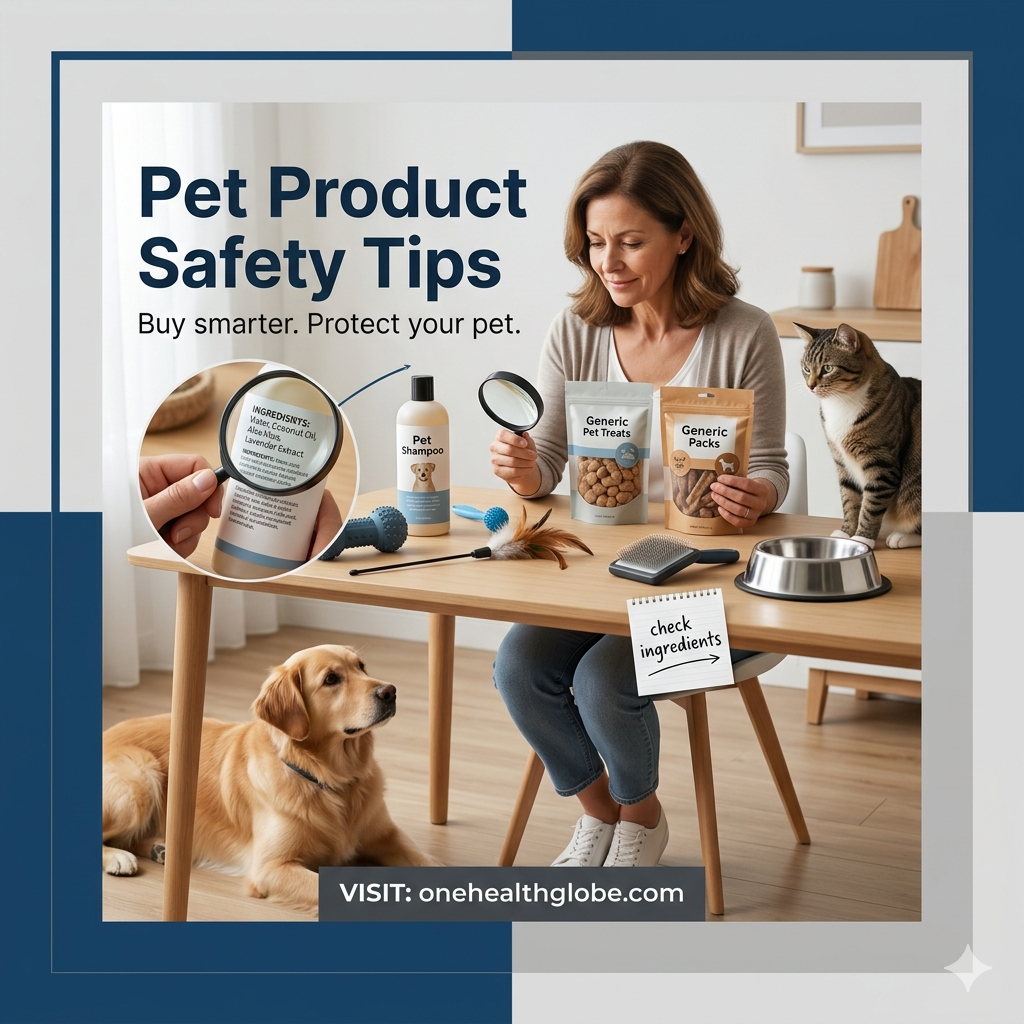
One of the best pet product safety tips is to slow down and read beyond the front label. Marketing words such as “natural,” “premium,” “gentle,” or “vet inspired” do not always tell the full story. Look for clear ingredient information, usage instructions, warnings, age suitability, and material details. If a package gives very little information, that alone is a warning sign.
Also compare where you are buying from. Large marketplaces can contain both useful and risky listings, so product checks become even more important. When browsing broad shopping platforms such as DHgate deals, take extra care to review seller credibility, product descriptions, photos, dimensions, and safety notes before ordering pet-related goods.
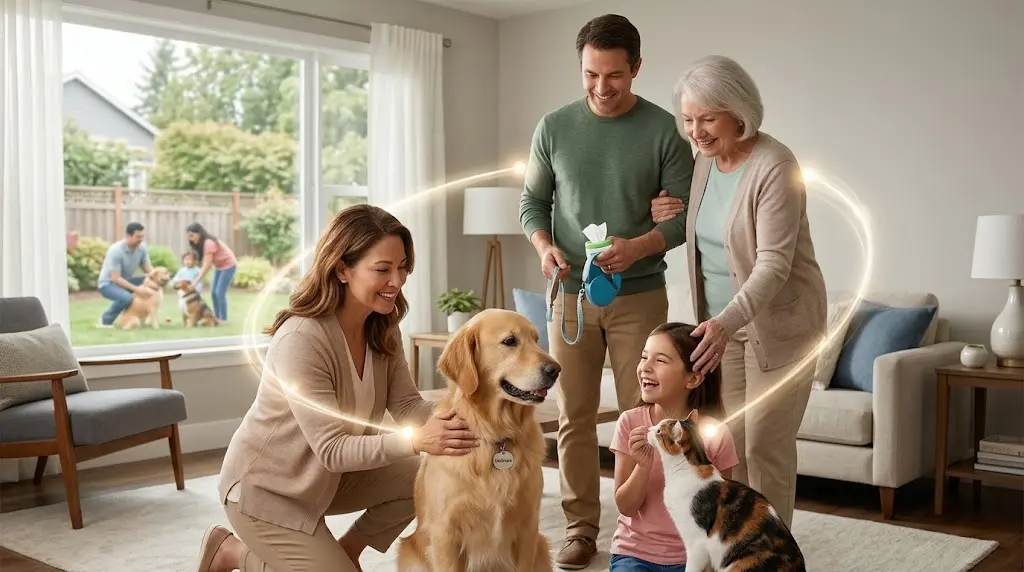
If you are choosing pet food or treats, it helps to compare label practices with public guidance from trusted animal-health sources such as the FDA animal and veterinary information pages. For wider pet-care safety learning, your readers can also move from this topic into pet-family wellbeing content such as a post on the healthy pets and human bond for family life.
Choose Safer Pet Toys, Bowls, and Feeding Products
Toys should match the pet’s size, chewing strength, and behavior. Small detachable parts, weak stitching, loose strings, rough edges, or brittle plastic can become dangerous fast. Bowls should be stable, easy to clean, and suitable for food use. Feeding mats, storage containers, and treat jars should also be cleaned regularly and checked for cracks or odor buildup.
If you buy lifestyle or home-organization products that affect feeding or storage areas, choose practical items that support cleanliness and visibility rather than clutter. Even general home organization sources like Tuesday Morning home products can be useful when creating a cleaner pet corner for food storage, toy sorting, and safer daily routines.
Another overlooked point is observation. A toy that appears safe at first may become dangerous after wear. A good habit is to inspect pet products weekly for damage, odor, peeling, frayed edges, or changed texture. This works especially well alongside your broader pet safety content strategy, where owners learn to prevent small risks before they become emergencies.
Watch for Red Flags in Pet Grooming and Cleaning Products
Pet shampoos, wipes, sprays, flea-control accessories, litter products, stain removers, and deodorizing items need the same careful attention. Strong fragrance, unclear instructions, poor packaging, and exaggerated promises should all make owners pause. If a product is meant for humans, never assume it is safe for pets unless clearly stated by a reliable source.
Clean surroundings also help reduce the temptation to overuse chemicals. A well-organized cleaning and washing area can support safer pet routines. For example, practical sink-side tools from Happy Sinks may help keep washing zones tidier when cleaning pet bowls, brushes, and accessories, while portable hygiene gear such as Flextail outdoor hygiene tools can be useful for travel, camping, or outdoor pet-care situations.
For behavioral and emotional care, avoid impulse buying products that make dramatic claims. If your home includes children too, general household wellness tools should be chosen just as carefully. Sensory-support items from Gafly may fit some family settings, but pet owners should still separate child products from animal-use products and never assume cross-use is safe.
Smart Shopping Habits Every Pet Owner Should Follow
The best consumer-rights mindset is simple: buy less blindly and check more carefully. Save receipts. Compare ingredients. Read size details. Watch how your pet reacts. Stop using products that cause discomfort. Report obviously unsafe items. Share honest reviews so other pet owners can avoid preventable harm. Trusted public guidance from the ASPCA pet care resources and the AVMA pet owner guidance pages can also help owners compare product claims against practical safety advice.
World Consumer Rights Day is a powerful time to remember that loving pets means protecting them from poor-quality products as well as visible dangers. Smarter choices at checkout often lead to fewer injuries, less waste, better comfort, and stronger trust between pets and families. The more informed you become as a buyer, the safer your home becomes for the animals who rely on you every day.
Keep Regular Visiting https://onehealthglobe.com/ FOLLOW PAGE FOR MORE https://web.facebook.com/onehealthglobe/ #OneHealth #AnimalSafety #PublicHealth #ZoonoticDiseases #PetSafety #FamilySafety #FoodSafety #RabiesPrevention #HealthyCommunities #HealthSecurity #WorldConsumerRightsDay #PetProductSafety #SmartPetCare