German Shepherd Temperament 2026: Personality, Training, Health, Best Food & Complete Owner Guide
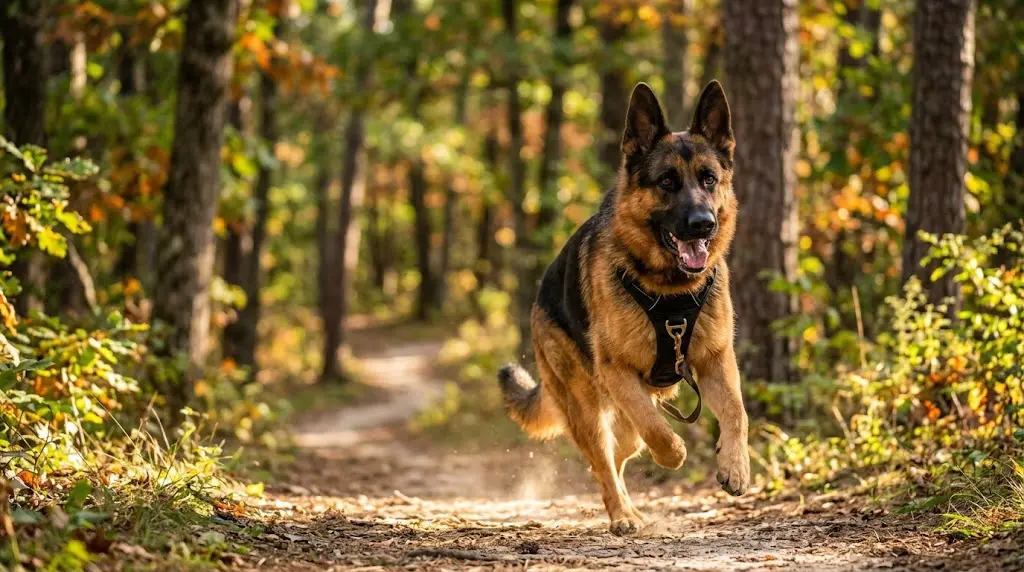
German Shepherd temperament is one of the most respected in the dog world — and rightly so. Ranked 3rd on the Coren Intelligence Scale, German Shepherds are courageous, fiercely loyal, highly trainable, and capable of extraordinary work across police, military, search-and-rescue, and family companionship roles. But their intelligence and drive come with equally high requirements: daily exercise, mental stimulation, early socialisation, and the right nutrition to protect their well-documented health vulnerabilities. This complete guide covers everything — from personality and family suitability to health risks, feeding, and the supplements that make a real difference for this breed.
German Shepherd Key Facts at a Glance
Large · 50–90 lbs · 22–26″ tall
Very High · 90–120 min exercise/day
Ranked #3 of 138 breeds (Coren)
9–13 years · Nutrition extends this
HIGH · Hip/elbow dysplasia, DM, cancer
Active owners · House + yard · Structure required
German Shepherd Personality — What Owners Really Experience
The German Shepherd personality is purpose-driven above all else. This is a breed designed by Max von Stephanitz in 1899 specifically to be the ideal working dog — intelligent, versatile, responsive, and deeply bonded to one person or family. That heritage shapes every aspect of how they think, behave, and relate to humans today. A German Shepherd without a job — physical or mental — is a German Shepherd waiting to develop problems.
German Shepherds bond with extraordinary depth. Many will position themselves physically between their owner and any perceived threat — not trained to, simply wired to.
Ranked 3rd globally for working intelligence. Can learn a new command in fewer than 5 repetitions and obey first commands 95% of the time with proper training.
Natural guarding instinct is strong — a strength in experienced hands, a liability in uninformed ones. Early socialisation turns protective instinct into reliable, appropriate alertness.
Healthy GSDs are watchful, not aggressive, around new people. They observe before deciding. This is correct breed temperament — not shyness or aggression.
Are German Shepherds Good Family Dogs?
Yes — consistently one of the best family breeds for the right household. German Shepherds raised with children from puppyhood are typically patient, protective, and deeply gentle with their own family members. Studies of family dog temperament repeatedly rank well-socialised GSDs among the most reliable large breeds with children.
- 👨👩👧 With their own children: Typically devoted, patient protectors. Many self-appoint as the child’s guardian without prompting.
- 🏡 Space requirements: A house with a yard is ideal. With sufficient exercise, can adapt to larger apartments but this breed was built to move.
- 🐾 With other pets: Early introductions generally work well. Their prey drive means small animals should be introduced carefully and supervision maintained.
- 📚 Training is the deciding factor: A trained GSD is one of the safest, most reliable family dogs. An untrained one of this size and intelligence becomes a genuine management problem.
For safer home routines and prevention guidance, visit our Pet Safety Hub and review our Free Pet Care FAQ Resource.
German Shepherd Behavior Problems — 4 Stages & Root Causes
Most German Shepherd behaviour problems are management failures — not breed defects. Understanding which stage of the problem you’re dealing with determines the correct solution.
Signs: Destructive chewing, excessive barking, restlessness, pacing. Cause: A high-drive working breed getting less than 60 minutes of exercise daily. Solution: Minimum 90 minutes structured daily activity — not just off-leash wandering, but purposeful walking, fetch, and obedience work.
Signs: Problem-solving your house (opening gates, escaping, obsessive behaviours). Cause: A breed ranked #3 for intelligence with nothing to think about. Solution: Obedience training sessions (3×/day), scent work, puzzle feeders, agility basics. Mental exhaustion is more effective than physical exhaustion for this breed.
Signs: Over-reactivity to strangers, lunging, excessive alarm barking. Cause: Insufficient exposure to people, environments, and situations during the 8–16 week critical window. Solution: Structured counter-conditioning with a qualified trainer. The earlier this is addressed the better — a reactive adult GSD is challenging to retrain.
Often overlooked: A GSD in chronic hip or joint pain becomes irritable, less tolerant, snappy during handling, and resistant to exercise. Many “behaviour problems” in adult and senior GSDs are actually undiagnosed pain responses. Proactive joint supplementation from puppyhood prevents this from developing silently.
Training & Exercise — What German Shepherds Need at Home
German Shepherd training is one of the most rewarding experiences in dog ownership — because this breed genuinely wants to work with you and can learn faster than almost any other. The challenge is not training ability; it is owner consistency. An inconsistent handler confuses a dog this intelligent and creates instability.
Daily Exercise Requirements
- 90–120 minutes minimum per day for an adult German Shepherd — broken into two structured sessions
- Purposeful exercise beats passive exercise — fetch, heel work, off-lead recall practice, and structured play are more effective than free-roaming
- Mental fatigue is equally important — 10 minutes of focused obedience training tires a GSD more than 30 minutes of jogging
- Puppies: no forced exercise before 18 months — growth plates close late in large breeds; overexercise causes permanent joint damage
Training Principles That Work
- 🎓 Begin obedience training at 8 weeks: Sit, down, stay, recall, and heel before 12 weeks. This breed’s learning window is exceptional — use it early.
- 🧩 3–5 minute sessions, 3× daily: Short, high-intensity training is more effective than long sessions. End every session with a win.
- 🐶 Socialise during the 8–16 week window: People of all ages, sounds, vehicles, environments, surfaces, and other animals. This window shapes adult brain patterns permanently.
- 📏 Be the calm leader: German Shepherds mirror owner energy with precision. Anxiety in the owner creates anxiety in the dog. Calm confidence produces calm, confident behaviour.
- 🔄 Training never stops: Adult and senior GSDs maintain and improve with continued training. The breed does not “graduate” from needing structure.
Explore useful training support and care products through our Products page.
German Shepherd Coat & Grooming Needs
German Shepherds have a thick double coat — a dense undercoat for insulation and a weather-resistant outer coat. They shed year-round with two major seasonal blowouts (spring and autumn) that produce legendary quantities of fur. Owners call this “German Shedder season” for good reason. Do they need professional grooming? Not necessarily — but they require serious commitment to at-home maintenance.
- 🪮 Brush 3–4 times weekly minimum — daily during shedding season. A slicker brush and undercoat rake are essential tools.
- 🚿 Bathe every 6–8 weeks — over-bathing strips protective coat oils. Use a deshedding shampoo during seasonal blowouts.
- ✨ Coat quality reflects nutrition: A dull, dry, or excessively shedding GSD coat is often a sign of Omega-3 and zinc deficiency — not just a grooming issue. Supplementing fish oil noticeably improves coat within 3–4 weeks.
- 🦷 Dental care 3×/week: Large breeds accumulate tartar quickly. Professional dental cleaning can cost £300–£600+ — regular brushing prevents this.
- 👂 Weekly ear checks: Upright ears are less infection-prone than floppy ears but still need regular inspection and gentle cleaning.
German Shepherd Health Problems & Solutions — What Every Owner Must Know
German Shepherds are a robust, athletic breed — but they carry significant genetic health risks that proactive owners can meaningfully reduce through nutrition and supplementation. Understanding what GSDs typically die from shapes how you care for them from day one.
The #1 health concern. Affects up to 20% of the breed. A malformed hip joint causes progressive arthritis and pain. Glucosamine, chondroitin, and Omega-3s from puppyhood significantly reduce severity. Never wait for limping to begin supplementing.
Affects the elbow joint similarly to hip dysplasia. Often present alongside hip dysplasia. Same preventive approach applies — joint-support supplementation from 8 weeks, weight management, and controlled exercise during growth phases.
A progressive neurological disease affecting the spinal cord — most common in GSDs over 8 years old. Causes gradual hind-limb weakness progressing to paralysis. Antioxidant-rich diets and Omega-3 supplementation are associated with slower disease progression in research studies.
Exocrine Pancreatic Insufficiency — a GSD-specific condition where the pancreas fails to produce sufficient digestive enzymes. Weight loss despite eating, chronic loose stools. Digestive enzyme supplementation is the primary treatment. Probiotic support helps maintain gut flora.
Deep-chested large breed = elevated GDV risk. Feed 2 smaller meals daily. No vigorous exercise 1 hour before or after eating. Know the emergency signs: distended abdomen, unproductive retching, rapid deterioration. GDV can kill within hours without surgery.
Hemangiosarcoma and osteosarcoma are above-average risks in the breed. GSD cancer symptoms to watch: unexplained weight loss, fatigue, lumps, limping, or pale gums. Antioxidant-rich diets and maintaining healthy weight contribute to risk reduction.
Best Food for German Shepherds — Nutrition by Life Stage
For a breed with German Shepherd-level health risks, food is preventive medicine. The right nutrition from puppyhood can add 2–4 healthy active years to a GSD’s life. The wrong food accelerates hip degeneration, reduces immune competence, and contributes to the digestive issues this breed is specifically prone to.
What Every GSD Diet Must Contain
- High-quality protein 25–30%+ DM from named animal sources — beef, chicken, turkey, fish. Protein quality is the foundation of muscle and immune health.
- Glucosamine 400mg+/day — joint cartilage protection beginning at 8 weeks, not when limping starts
- Omega-3 EPA + DHA from fish oil — reduces joint inflammation, supports DM management, improves coat, protects the gut lining
- Probiotics (15+ strains) — German Shepherds have above-average gut sensitivity and EPI risk; gut flora support is breed-critical
- Digestive enzymes — directly relevant for a breed where EPI is a known condition. Supplemental enzymes improve absorption and protect against subclinical enzyme deficiency
- Antioxidants (Vitamins C & E) — counter oxidative stress associated with DM and cancer risk
- Controlled fat 12–16% DM — prevents obesity which directly worsens hip and joint disease


Do German Shepherds Need Supplements?
Yes — and the breed-specific case is compelling. German Shepherds carry documented genetic risks in three areas (joints, digestion, and neurological health) that all have nutritional interventions supported by veterinary research.
- Glucosamine + Chondroitin: The most researched joint supplement in veterinary medicine. For a breed where hip dysplasia affects up to 20%, beginning from 8 weeks old is the single most impactful preventive action an owner can take.
- Fish Oil (EPA + DHA): Reduces joint inflammation (supporting hips and elbows), has been studied for slowing DM progression, and significantly improves the double coat’s condition and shedding management.
- Probiotics (15+ strains): German Shepherds have above-average digestive sensitivity and the breed-specific risk of EPI. Comprehensive probiotic support stabilises gut flora and maximises nutrient absorption from every meal.
- Digestive Enzymes: Directly relevant for GSD digestive health. Even in dogs without full EPI, enzyme supplementation improves nutrient absorption and stool consistency measurably.
- Antioxidants (Vitamins C, E + Selenium): Counter oxidative stress linked to cancer risk and support the immune system’s ability to detect and respond to early cellular abnormalities.
Is a German Shepherd Right for Beginners?
German Shepherds are not the easiest first dog — but they can be rewarding for beginners who prepare thoroughly and commit to proper training from day one. The breed does not punish ignorance gently. An under-stimulated, under-trained GSD of this intelligence and size becomes difficult rapidly. A committed, informed first-time owner who invests in professional obedience classes from the start can succeed.
- ⚠️ Not recommended without preparation: High intelligence + high drive + size = significant management responsibility
- ✅ Good for committed, active, informed owners: Rewarding beyond almost any other breed when properly managed
- 📘 Professional obedience classes are non-negotiable: Begin before the dog arrives — not after problems develop
- 💛 The right match is profoundly rewarding: A well-raised GSD is calm, reliable, deeply loyal, and an exceptional companion for an active lifestyle
To strengthen your routine, visit our Pet Safety Hub, review our Free Pet Care FAQ Resource, and browse our Products page.
Frequently Asked Questions — German Shepherd
Final Takeaway
German Shepherd temperament is loyal, courageous, highly intelligent, purpose-driven, and deeply bonded to family. This breed thrives with structure, daily exercise, consistent training, mental stimulation, and — critically — proactive nutrition to protect their well-documented joint, digestive, and neurological vulnerabilities. For owners who are prepared for the commitment, the German Shepherd is one of the most profound and rewarding partnerships available in the dog world.
Quick Takeaway: German Shepherds are high-drive, deeply loyal working dogs that need daily structure, 90+ min exercise, mental stimulation, and proactive nutrition — especially joint support, probiotics, and Omega-3 supplementation. Free USA-made trial available →
Explore More Dog Breeds & Free Tools
Browse our full dog breeds hub or try our free tools — 🔬 Dog Paw Scanner, 🐾 Dog Age Calculator, and our new 💅 Free Cat Nail Scanner.
Vet-Approved Products Every Dog Owner Should Know About
Whether your dog is battling shedding season, digestive issues, or just needs better everyday care, these are the vet-recommended brands trusted by thousands of U.S. dog owners in 2026.
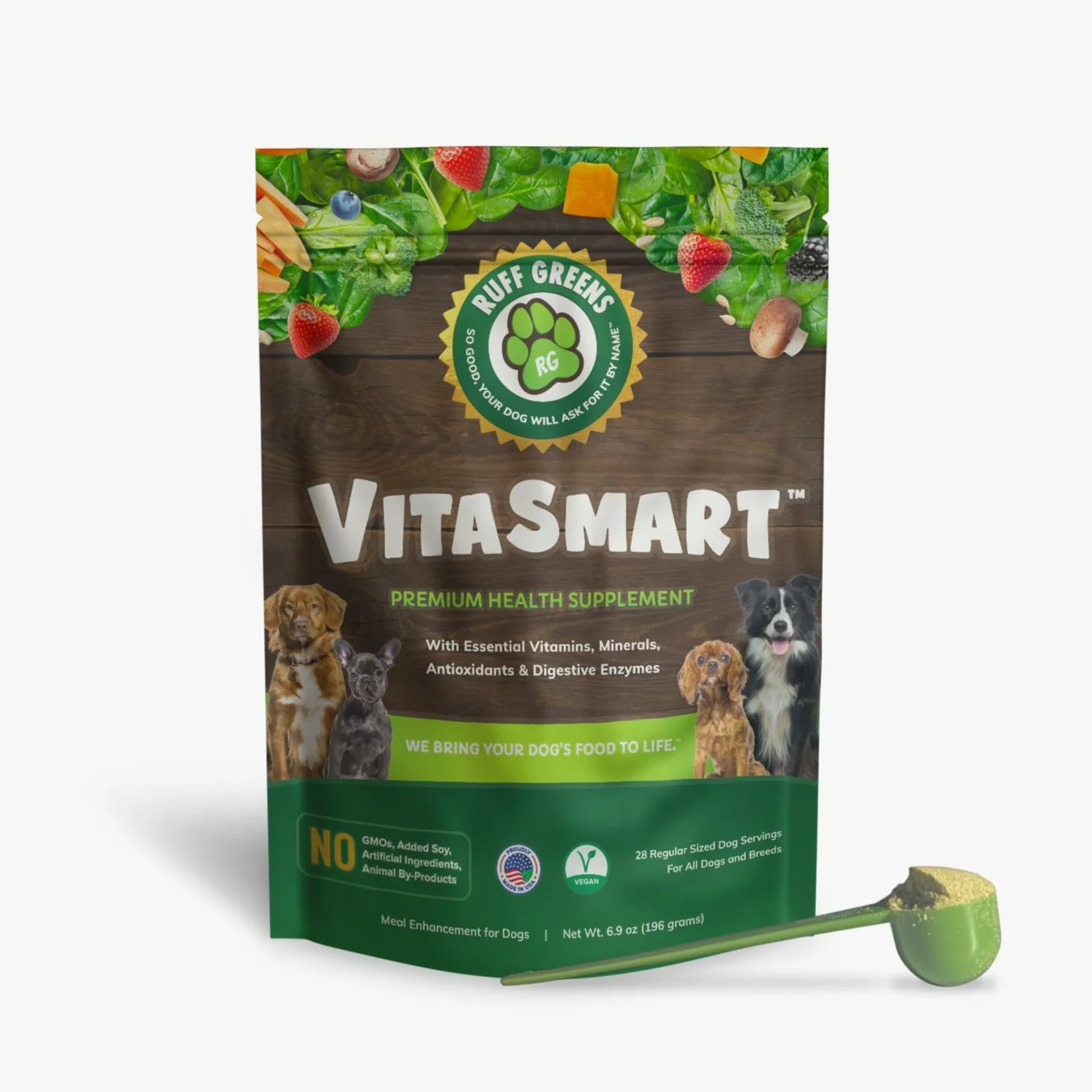
Struggling with your dog's dull coat or picky appetite? Ruff Greens is a vet-formulated superfood supplement supporting digestion, skin, and coat health in one daily scoop.
🐾 Try Ruff Greens TodayCan't get a same-week vet appointment? Dutch connects you with licensed U.S. veterinarians online for fast diagnosis, prescriptions, and care plans — often within hours.
🩺 Talk to a Vet Online NowTired of inconsistent feeding schedules? Petlibro's smart automatic feeders and fountains keep meals and water on schedule, even when you're away.
🍽️ Shop Petlibro Smart FeedersWorried about catching cancer too late? Oncotect is an at-home early cancer screening kit for dogs, with lab results in days instead of invasive vet testing.
🔬 Get Your Oncotect Screening KitCurious what's really in your dog's DNA? Basepaws' breed and health DNA test reveals ancestry, breed traits, and potential genetic health risks.
🧬 Get Your Basepaws DNA KitIs your dog anxious during storms, car rides, or vet visits? Bailey's CBD offers vet-formulated, third-party-tested calming chews and oils made for dogs' natural stress response.
🌿 Calm Your Dog with Bailey's CBDWant more breed-specific care guides? Explore our full Dog Breeds Hub →