Siberian Husky Temperament: Personality, Family Suitability, Training & Care Guide
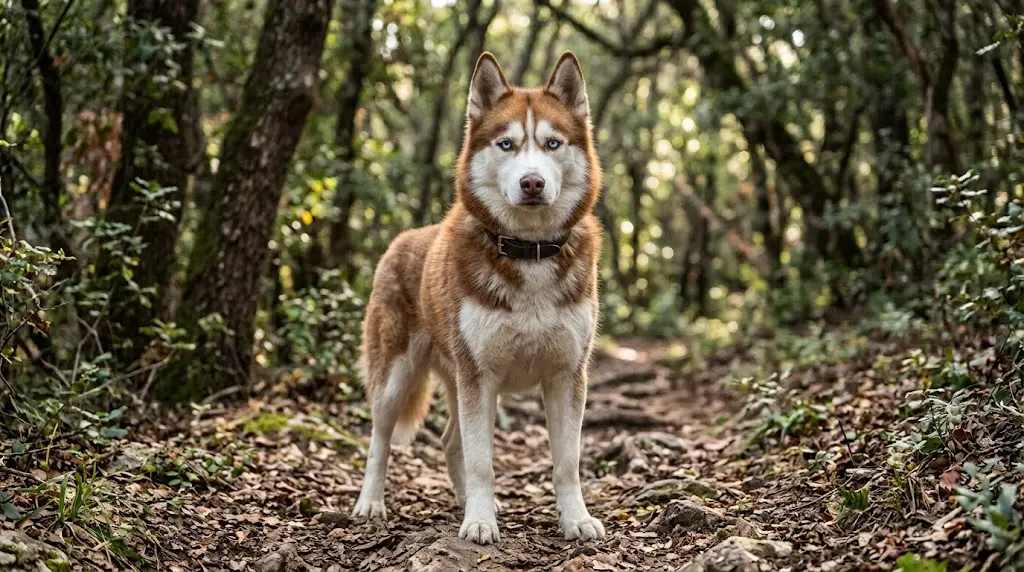
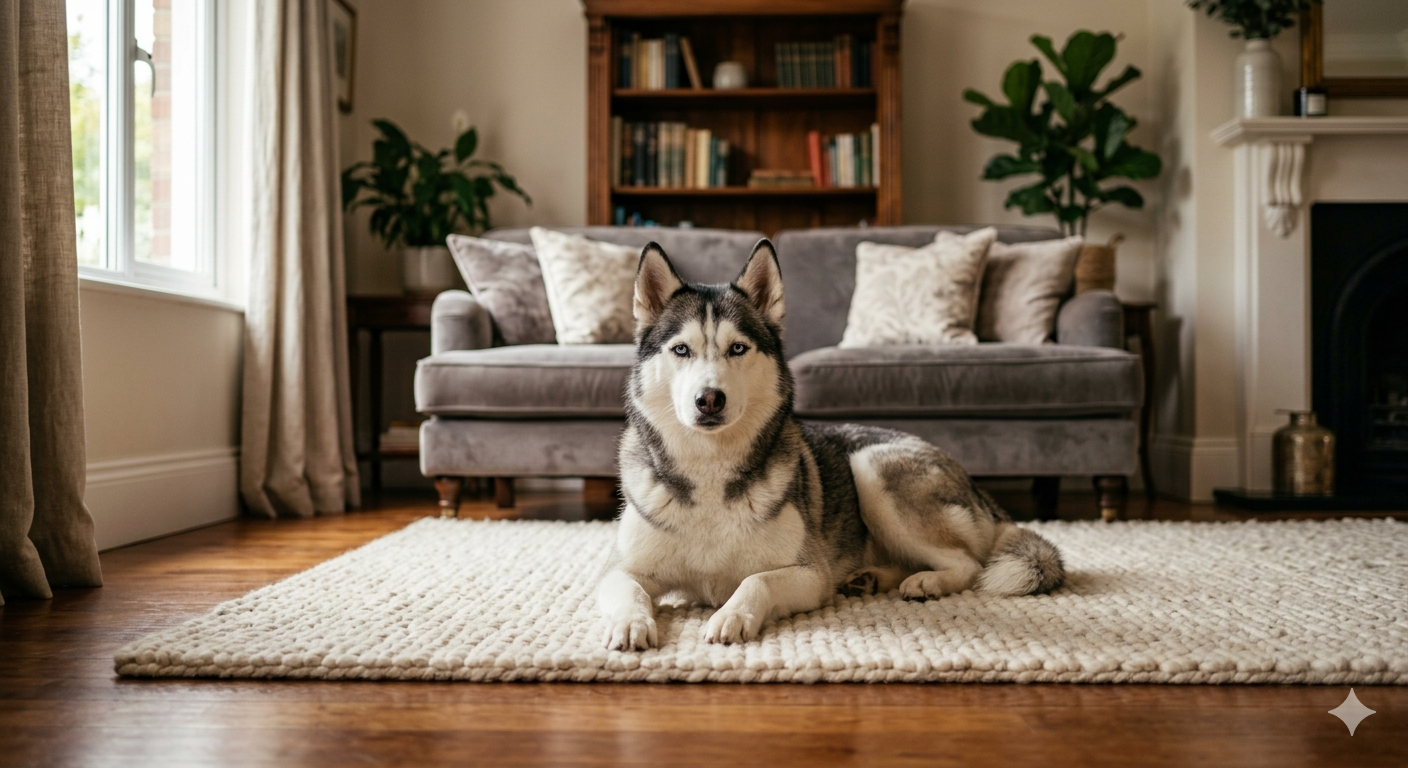
Siberian Husky temperament is one of the main reasons this striking working breed is admired around the world. Siberian Huskies are energetic, intelligent, social, playful, and famously independent. Originally bred as endurance sled dogs, they are known for stamina, athletic ability, and a strong pack-oriented nature. With proper exercise, training, and secure daily management, a Siberian Husky can become a loyal and deeply rewarding companion for active owners.
For complete pet-care guidance, visit our Pet Safety Hub, explore our Pet Food Queries, review our Free Pet Care FAQ Resource, and browse our Products page.
Quick Siberian Husky Facts
Medium-sized working and sled dog known for endurance, athleticism, and social pack behavior.
Very high. Siberian Huskies need serious daily exercise, movement, and mental engagement.
Friendly, energetic, intelligent, playful, and independent rather than strongly obedient by nature.
Best for active owners who can provide secure containment, training, and a high-exercise lifestyle.
Siberian Husky Personality
The Siberian Husky personality is often described as social, lively, mischievous, and independent. Huskies usually enjoy people and often get along well with other dogs because of their pack-dog background. However, they are not always eager to obey in the same way as highly people-pleasing breeds. Many Huskies are clever problem-solvers and can be escape artists when bored or under-exercised.
- 💛 Friendly and social with people
- 🧠 Intelligent, curious, and independent-minded
- 🎉 Playful and energetic
- 🐕 Often pack-oriented and dog-social
Are Siberian Huskies Good Family Dogs?
Yes, Siberian Huskies can be good family dogs in active homes. They are usually social, playful, and people-friendly. However, they are best suited to families who understand that Huskies need more exercise, management, and secure handling than many other breeds.
- 👨👩👧 Often affectionate and fun with family
- 🏡 Best in active households with routine
- 🐾 Often enjoy other dogs more than some breeds do
- 🧒 Usually good with children when properly supervised
Common Siberian Husky Behavior Problems
- 🏃 Escape attempts or roaming behavior
- 📢 Howling, talking, or vocal behavior
- 🪵 Destructive chewing when bored
- 🚪 Ignoring recall if distracted
- 🕳️ Digging and restlessness without enough activity
Training and Exercise Needs
- 🏃 Needs heavy daily exercise and movement
- 🧩 Benefits from mental stimulation and routine tasks
- 🎓 Smart, but not always easy to train due to independence
- 🐶 Early socialization and leash manners are important
- 🔒 Secure fencing and management are essential
For more daily care guidance, explore our Dog Hygiene & Grooming Guide and our Pet Home Safety Guide.
Coat and Grooming
- 🪮 Thick double coat needs regular brushing
- 🌬️ Heavy seasonal shedding is common
- ❄️ Coat is built for colder climates
- 🛁 Bathing needs are often moderate, but grooming consistency matters
Health Considerations
- 🩺 Regular vet care supports long-term health
- 👀 Eye health should be monitored
- ⚖️ Weight and condition should stay well managed
- 🏃 Joint and mobility support matter in active dogs
Distinctive Siberian Husky Traits
- ❄️ Famous sled-dog heritage and endurance
- 👀 Striking eyes and expressive face
- 📢 Known for “talking” and howling more than barking
- 🏔️ Athletic body built for stamina and movement
Is a Siberian Husky Right for Beginners?
Siberian Huskies are usually not the easiest breed for beginners. They are friendly and beautiful, but their energy, independence, escape behavior, and exercise needs can be challenging. A beginner who is highly active and committed may succeed, but a low-effort pet owner may struggle with this breed.
- ⚠️ Often challenging for first-time owners
- 📘 Training requires patience and consistency
- 🏃 Best for active, committed households
- 💛 Very rewarding for owners who match the breed’s lifestyle
To strengthen your everyday pet-care routine, also visit our Pet First Aid Kit Checklist, review our Pet Safety Quiz, and explore our latest pet care articles.
Final Takeaway
Siberian Husky temperament is friendly, energetic, intelligent, playful, and independent. With serious exercise, secure management, and patient training, Huskies can become deeply enjoyable companions for active owners who truly understand the breed.
Explore More Dog Breeds
After reading this guide, you can also browse our full dog breeds hub to compare more temperaments, family compatibility, grooming needs, and training traits across popular breeds.
Visit the Dog Breeds HubDog Breeds FAQs
Explore common dog breed questions about temperament, family suitability, training, shedding, apartment living, guarding instincts, and beginner-friendly ownership. These answers are designed to help visitors compare popular breeds and make safer, smarter choices.
1. Which dog breeds are best for families with children?
Family-friendly breeds often balance patience, trainability, and social behavior. Popular choices include the Golden Retriever, Labrador Retriever, and Boxer. Families should still match energy level, size, and training needs with their home routine.
2. What dog breeds are good for apartment living?
Apartment-friendly dogs are not always the smallest dogs. Calm behavior, lower barking, and manageable exercise needs often matter more. Breeds such as the French Bulldog, Dachshund, and Bulldog are often considered by city-based owners.
3. Which dog breeds are easiest to train?
Highly trainable breeds usually combine intelligence, responsiveness, and eagerness to work with people. Strong examples include the Border Collie, German Shepherd, and Miniature Poodle.
4. Which dog breeds shed the most?
Heavy shedders usually have dense or double coats. Owners often ask about the Golden Retriever, Labrador Retriever, and Siberian Husky because coat care can strongly affect grooming time and home cleanliness.
5. Which dog breeds are best for first-time owners?
First-time dog owners often do better with breeds that are social, trainable, and predictable in daily handling. The Labrador Retriever, Golden Retriever, and Beagle are common starting points, though exercise, budget, and time commitment still matter.
6. Which dog breeds are smartest?
“Smart” can mean fast learning, strong memory, or excellent working ability. Breeds often discussed for intelligence include the Border Collie, Australian Shepherd, and German Shepherd. Intelligent breeds usually need mental stimulation as much as physical exercise.
7. What dog breeds make good guard dogs?
Guard-oriented breeds usually combine confidence, alertness, and protective instinct. Visitors commonly compare the Cane Corso, Rottweiler, and German Shepherd. Strong guarding breeds usually require structured training and early socialization.
8. Are French Bulldogs good family dogs?
Many owners choose the French Bulldog for its compact size, affectionate nature, and adaptability to indoor living. Families should still consider breathing care, heat sensitivity, and play style when comparing this breed with other companion dogs.
9. Are Labrador Retrievers good with kids?
The Labrador Retriever is often searched by families because of its social behavior, trainability, and playful temperament. Labs usually do best when their exercise and food habits are managed consistently.
10. Is the German Shepherd a good family dog?
The German Shepherd can be a devoted family dog in homes that provide training, leadership, and daily structure. This breed is often chosen by people who want intelligence, loyalty, and dependable working ability.
11. Are Golden Retrievers easy to train?
The Golden Retriever is widely discussed as a beginner-friendly breed because of its eager attitude, people focus, and steady family temperament. Training usually works best with consistency, reward-based methods, and enough exercise.
12. Are Siberian Huskies hard to manage?
The Siberian Husky is often searched by active owners because it combines beauty, endurance, and independence. Huskies usually need secure routines, daily exercise, and patient handling to prevent escape behavior and frustration.
13. Is the Beagle a good family dog?
Many people explore the Beagle because it is cheerful, curious, and family-oriented. Beagles are scent-driven dogs, so secure walking habits and recall training are especially important.
14. Is the Rottweiler good for beginners?
The Rottweiler is often searched by people who want a confident protector. It is generally better suited to owners who can provide firm, calm leadership, early socialization, and ongoing obedience work.
15. Is the Cane Corso safe for family life?
The Cane Corso is often researched for guarding ability, confidence, and strong loyalty. Families should compare experience level, home routine, socialization commitment, and physical management before choosing this breed.
16. Is the Miniature Poodle a good small dog for families?
The Miniature Poodle is often chosen for intelligence, trainability, and smaller size. It can be a strong fit for families who want an interactive companion with regular grooming needs.
17. Is the Border Collie too demanding for most homes?
The Border Collie is one of the most discussed breeds for intelligence and work drive. It usually thrives in active homes that can provide daily mental tasks, exercise, and purposeful engagement.
18. Is the Bulldog good for calm homes?
The Bulldog is frequently researched by people looking for a lower-key companion. Owners should still pay attention to breathing comfort, heat management, and steady day-to-day care.
19. Is the Great Dane really a gentle giant?
The Great Dane is often searched by families who want a large but calmer dog. Size, space planning, feeding costs, and safe handling are all important when comparing this breed.
20. Is the Dachshund stubborn or easy to live with?
The Dachshund is often searched for its big personality, small size, and bold confidence. It can be an entertaining companion, but owners usually need patience, consistency, and safe back-friendly handling habits.
Keep Exploring Safer Dog Care
Continue your journey with trusted dog care recommendations, practical pet safety guidance, and smart product ideas designed for everyday pet owners.
For additional breed references, visitors can also review external resources like American Kennel Club breed profiles and PetMD dog breed guides.
Vet-Approved Products Every Dog Owner Should Know About
Whether your dog is battling shedding season, digestive issues, or just needs better everyday care, these are the vet-recommended brands trusted by thousands of U.S. dog owners in 2026.
Struggling with your dog's dull coat or picky appetite? Ruff Greens is a vet-formulated superfood supplement supporting digestion, skin, and coat health in one daily scoop.
🐾 Try Ruff Greens TodayCan't get a same-week vet appointment? Dutch connects you with licensed U.S. veterinarians online for fast diagnosis, prescriptions, and care plans — often within hours.
🩺 Talk to a Vet Online NowTired of inconsistent feeding schedules? Petlibro's smart automatic feeders and fountains keep meals and water on schedule, even when you're away.
🍽️ Shop Petlibro Smart FeedersWorried about catching cancer too late? Oncotect is an at-home early cancer screening kit for dogs, with lab results in days instead of invasive vet testing.
🔬 Get Your Oncotect Screening KitCurious what's really in your dog's DNA? Basepaws' breed and health DNA test reveals ancestry, breed traits, and potential genetic health risks.
🧬 Get Your Basepaws DNA KitIs your dog anxious during storms, car rides, or vet visits? Bailey's CBD offers vet-formulated, third-party-tested calming chews and oils made for dogs' natural stress response.
🌿 Calm Your Dog with Bailey's CBDWant more breed-specific care guides? Explore our full Dog Breeds Hub →