British Shorthair Cat: Temperament, Health Care, Family Fit & Breed Facts
The British Shorthair cat is the “Teddy Bear” of the feline world. Known for its plush coat and chunky build, this breed is a favorite for those seeking a calm, dignified companion. This guide explores the British Shorthair temperament, essential health tips, and why they are often searched as the best indoor cats for busy families.
British Shorthair Temperament
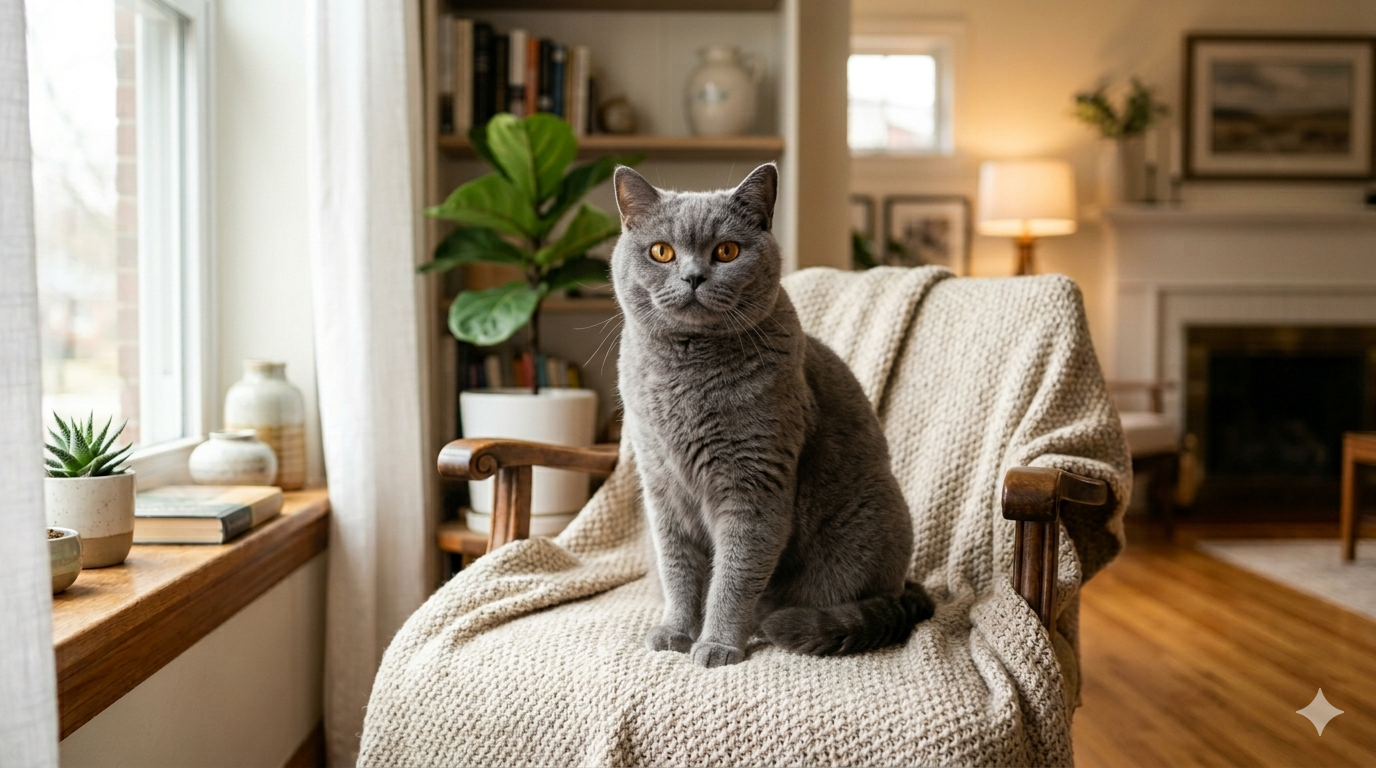
The British Shorthair temperament is best described as “stately.” They are affectionate but not needy, preferring to sit near you rather than on you. This makes them ideal for owners who work from home.
- Quiet and rarely vocal
- Independent but loyal
- Extremely patient with other pets
- Low reactivity to loud noises
- Content to be left alone for moderate periods
Perfect Fit for Busy Families
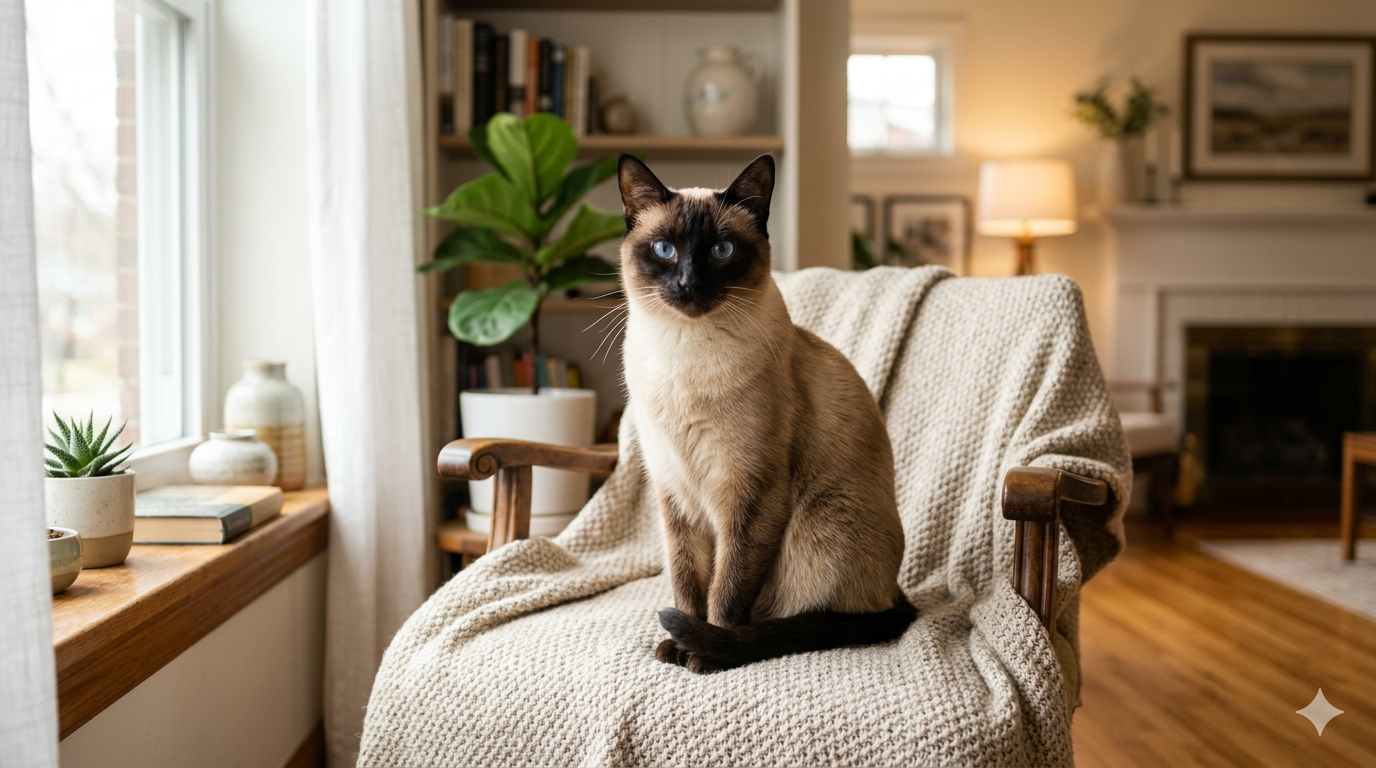
Because they are less demanding than a Siamese, the British Shorthair is perfect for families with a busy lifestyle. They are often cited in searches for best apartment cats due to their sedentary nature.
- Gentle with respectful children
- Does not require constant “entertainment”
- Adapts well to smaller living spaces
- Keeps a predictable, calm routine
Health Care & Training Tips
Weight Management
Prone to obesity. Use interactive feeders and strictly measure portions to protect their joints.
Hypertrophic Cardiomyopathy
A common heart issue. Regular vet screenings are vital for early detection in this breed.
Training Patience
They are smart but stubborn. Use food-based rewards for basic commands and litter box hygiene.
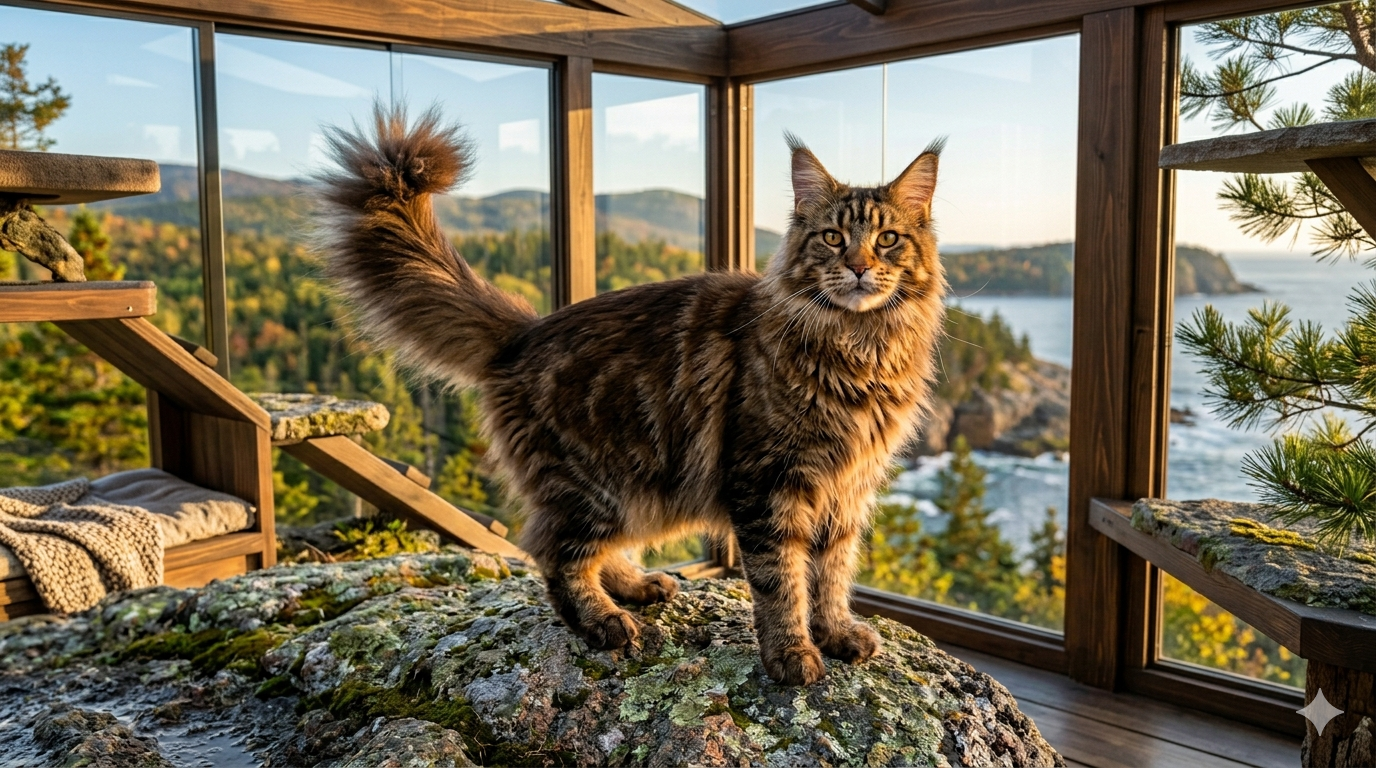
Compare British Shorthair to Other Breeds
Common Questions About British Shorthairs
Are British Shorthairs lap cats?
While they love affection, they often prefer sitting “next” to you rather than on your lap. They value their personal space.
Do they shed a lot?
Their coat is very dense. While they don’t shed as much as long-haired cats, they require weekly brushing to manage dead hair.
Are they good for first-time owners?
Absolutely. Their low-maintenance temperament and calm nature make them one of the best choices for beginners.
Can they be left alone?
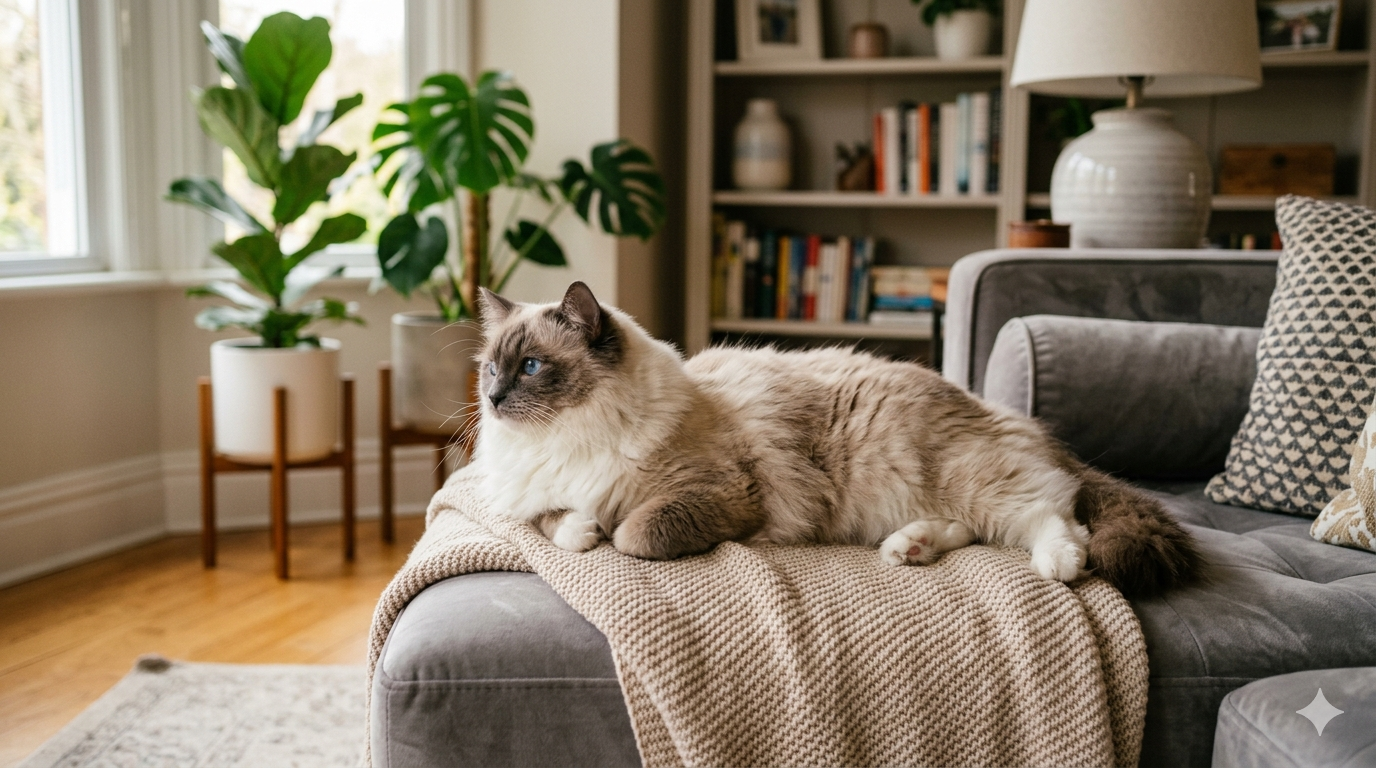
Yes, they are more independent than breeds like the Siamese or Ragdoll and handle a standard workday well.
Explore the One Health Globe Ecosystem
Vet-Approved Products Every Cat Owner Should Know About
Whether your cat needs better daily nutrition, fast access to a vet, or the right-sized litter box for their breed, these are the vet-recommended brands trusted by thousands of U.S. cat owners in 2026.
Struggling with your cat's dull coat or picky appetite? Ruff Greens' cat supplement line is vet-formulated to support digestion, skin, and coat health in one daily scoop.
🐾 Try Ruff Greens for CatsCan't get a same-week vet appointment? Dutch connects you with licensed U.S. veterinarians online for fast diagnosis, prescriptions, and care plans for your cat — often within hours.
🩺 Talk to a Vet Online NowTired of inconsistent feeding schedules? Petlibro's smart automatic feeders and fountains keep your cat's meals and water on schedule, even when you're away.
🍽️ Shop Petlibro Smart FeedersIs your litter box actually the right size for your cat's breed? Catlink's size guide compares every model so larger or long-bodied breeds get the space they actually need — no more cramped, avoided boxes.
📏 Find Your Cat's Right-Sized Litter BoxCurious what's really in your cat's DNA? Basepaws' breed and health DNA test reveals ancestry, breed traits, and potential genetic health risks — built specifically for cats.
🧬 Get Your Basepaws DNA KitIs your cat anxious during vet visits, travel, or loud noises? Bailey's CBD offers vet-formulated, third-party-tested calming chews and oils made for pets' natural stress response.
🌿 Calm Your Cat with Bailey's CBDWant to compare more cat breeds? Explore our full Cat Breeds Comparison Hub →