Kids Off Screens: Best Alternatives to Reduce Vision Risk
Many parents want kids away from mobile screen time because eye strain is real, and habits build fast. The goal is not “zero technology forever.” The goal is balance, breaks, and better substitutes that keep children engaged without a glowing screen.
A strong starting point is age-based limits. The World Health Organization recommends no sedentary screen time for 1-year-olds, and for 2-year-olds, no more than 1 hour (less is better). When children are sitting, WHO encourages reading and storytelling instead of screens. https://www.who.int/news/item/24-04-2019-to-grow-up-healthy-children-need-to-sit-less-and-play-more
Best alternatives to keep kids away from mobile screen
Use this list like a “swap menu.” Pick 3–5 options your child enjoys and rotate them.
1) Outdoor play (the #1 swap)
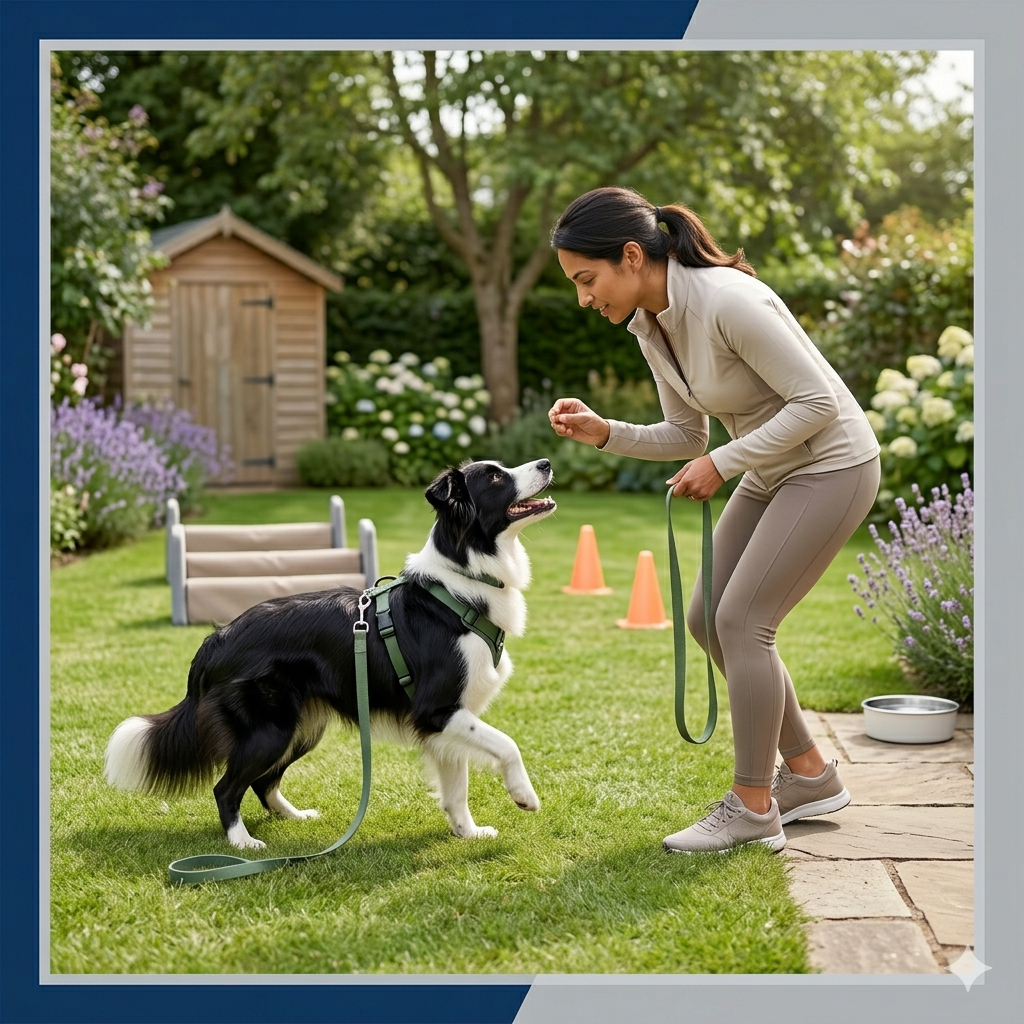
A daily “outside block” works better than arguments. Try ball games, skipping, backyard obstacle courses, or nature scavenger hunts. If you want an easy outdoor setup, you can explore gobaplay (affiliate) as a play-focused alternative to screens.
2) Hands-on creative time
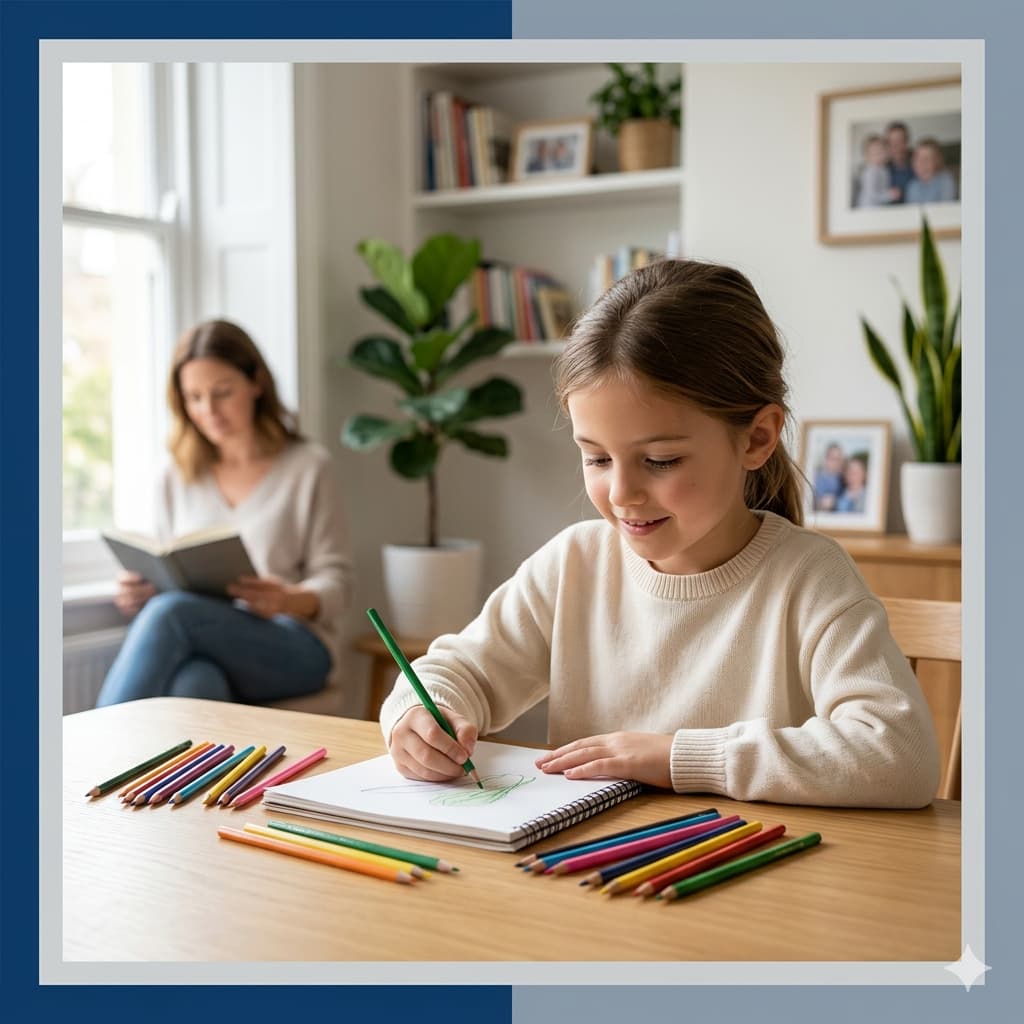
Put a “creative box” in one place: crayons, paper, stickers, clay, simple puzzles, and building blocks. Kids reach for what is visible. So, keep it ready.
3) Reading, storytelling, and audiobooks
Even 10–15 minutes daily helps. For younger kids, do “read-aloud + one question” (What happened? Why?). WHO also supports reading/storytelling as a better sedentary choice than screens. https://www.who.int/news/item/24-04-2019-to-grow-up-healthy-children-need-to-sit-less-and-play-more
4) Family micro-routines
Give kids small responsibilities: watering plants, sorting socks, wiping a table, feeding pets with supervision. These routines build confidence and reduce boredom-trigger scrolling.
5) “Break rule” when screens are needed
If a screen is necessary (homework or video call), protect the eyes with simple habits. Eye-care groups commonly advise frequent breaks and looking away from close work to reduce discomfort. The American Optometric Association promotes the 20-20-20 rule (every 20 minutes, look 20 feet away for 20 seconds). https://www.aoa.org/healthy-eyes/eye-and-vision-conditions/computer-vision-syndrome
Finally, remember why this matters long term. A major global projection estimates about 50% of the world may have myopia by 2050, showing why healthy visual habits are worth building early. https://pubmed.ncbi.nlm.nih.gov/26875007/
Keep Regular Visiting https://onehealthglobe.com/ FOLLOW PAGE FOR MORE https://web.facebook.com/onehealthglobe/ #OneHealth #AnimalSafety #PublicHealth #ZoonoticDiseases #PetSafety #FamilySafety #FoodSafety #RabiesPrevention #HealthyCommunities #HealthSecurity