📋 What You’ll Learn in This Guide
We tend to think of animal welfare and human medicine as two separate worlds. The One Health model proves they are inseparable. When animals are stressed, malnourished, or living in unsafe conditions, the risk of zoonotic diseases — those that jump from animals to humans — increases dramatically for entire communities. Understanding this connection is the first step every pet owner, parent, and family in the USA can take toward a safer home. Use our free Pet Vaccine Tracker and Pet Safety Hub alongside this guide.
🔬 Did You Know?
Over 60% of existing infectious diseases in humans are zoonotic in origin — and 75% of all emerging infectious diseases originate in wildlife populations.
3 Ways Animal Safety Directly Protects Human Health
The connection between animal welfare and human wellbeing operates through three critical pathways. Understanding each one explains why One Health is not just a scientific framework — it is a practical approach every family and pet owner can apply at home.
1. Disease Surveillance
Animals often show disease symptoms before humans are exposed. Monitoring domestic and wild animal health acts as a powerful early warning system — giving health authorities critical response time before human outbreaks occur.
2. Food Safety
Animals under stress shed more pathogens. Safe livestock practices prevent antibiotic-resistant bacteria and foodborne illnesses like Salmonella and E. coli — making animal welfare a direct food safety issue for every US household.
3. Environmental Health
Protecting natural habitats prevents “spillover events” — where displaced wildlife contacts human populations. COVID-19, Ebola, and Nipah virus all involved habitat encroachment as a key risk factor.
The most common zoonotic diseases affecting US families today:
Dutch Pet — Rabies, Heartworm & Flea/Tick Prevention — Licensed US Vet Tonight
Vaccinating your pet against rabies and leptospirosis is not just about pet health — it directly reduces zoonotic disease risk for every person in your home and community. Dutch connects you with a licensed US vet tonight who can review your pet’s vaccination history, prescribe heartworm prevention, and order flea/tick treatment — all delivered to your door in 1–3 days.
- ✅ Licensed US vet same day — reviews vaccine status, prescribes prevention
- ✅ Covers heartworm (Heartgard Plus), flea/tick Rx, and annual prevention planning
- ✅ No waiting room — phone or laptop consultation, prescription home delivery
- ✅ A vaccinated pet = a protected family and neighborhood
🔗 Related OHG Guides
6 Action Steps Every US Family Can Take Today
The One Health approach is not only for scientists and policymakers. Every family can take direct action to reduce disease risk for themselves, their community, and the wider environment. These steps are practical, immediate, and proven to make a measurable difference.
-
✓Vaccinate Your Pets: Rabies and leptospirosis prevention starts at home. A vaccinated pet is a protected family. Use our free vaccine tracker to never miss a dose — and ask your vet about heartworm and flea/tick prevention at the same visit.
-
✓Practice Good Hygiene After Every Animal Contact: Wash hands thoroughly with soap and water after touching pets, animals, their food bowls, or waste. This single habit prevents the majority of household zoonotic infections — especially critical for children and immunocompromised family members.
-
✓Schedule Annual Vet Checkups: Routine vet visits catch emerging health issues before they become household risks. A healthy pet is a safe pet for everyone in the home. Annual parasite screening is especially important in tick-endemic regions of the USA.
-
✓Support Ethical Farming: Choose products from farms that prioritize animal welfare. Stressed livestock shed dramatically more pathogens than healthy animals in good conditions — better animal welfare means safer food for every US household table.
-
✓Respect and Avoid Wildlife: Never feed, handle, or approach wild animals — even seemingly harmless ones. Keep pets on leash in areas with wildlife exposure. The majority of rabies exposures in the USA involve wildlife contact that was preventable.
-
✓Support Habitat Conservation: Preserved ecosystems keep wildlife away from human and domestic animal populations — dramatically reducing spillover disease risk. COVID-19, Ebola, and SARS were all linked to habitat encroachment events that forced wildlife into human contact.
💉 Keep Your Pet’s Vaccines Up to Date — Protect Your Whole Family
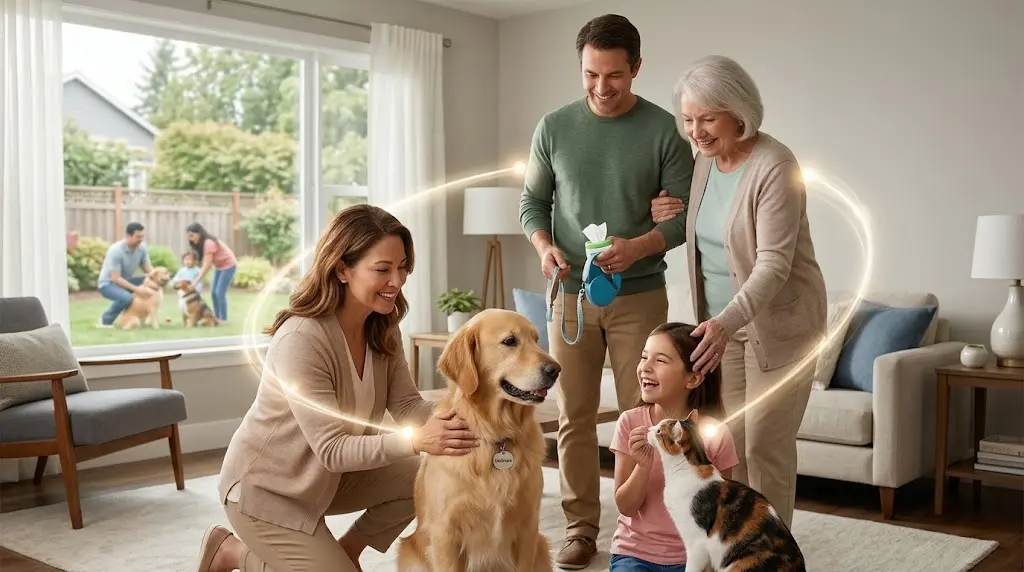
Vaccinating your pet against rabies and leptospirosis doesn’t just protect them — it creates a protective barrier for every person in your household. Use our free vaccine tracker to stay on schedule.
A Well-Trained Pet Is a Safer Pet for the Whole Family
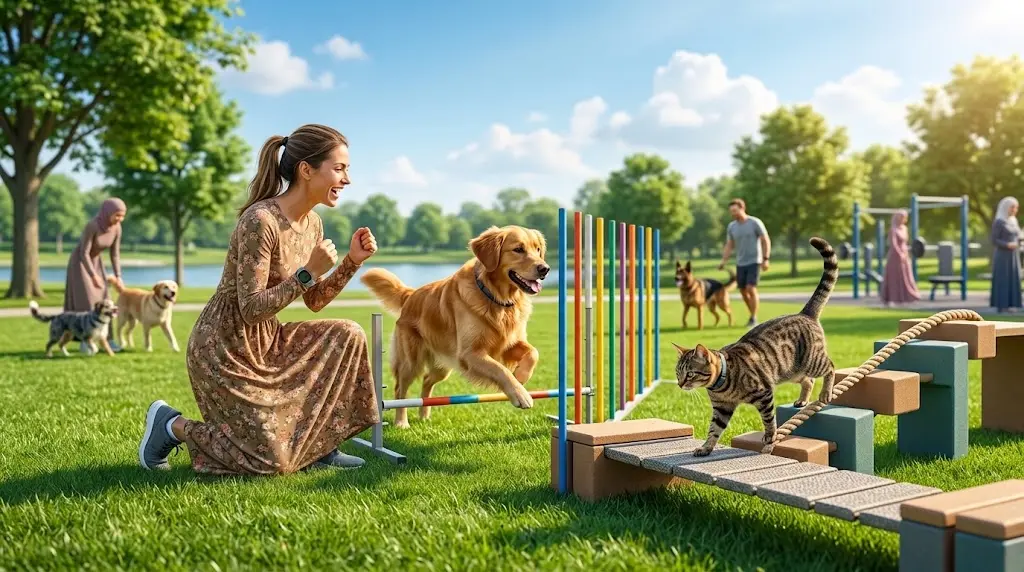
A well-managed, well-trained pet reduces stress behaviors, prevents bites and scratches, and creates the calm home environment that minimizes disease transmission risk. Bite wounds and scratch injuries are among the most common routes for zoonotic infection in US households — most caused by fear responses in stressed animals.
🎯 One Health Training Principles
Dutch Pet — Vet-Prescribed Flea/Tick + Fecal & Urine Analysis Test Kits
Parasites are one of the primary vectors for zoonotic disease transmission between pets and families. Ticks carry Lyme disease and Rocky Mountain Spotted Fever. Fleas transmit cat scratch disease and tapeworm. Roundworm from pets infects an estimated 10,000 US children per year. Dutch provides licensed vet-prescribed parasite prevention — the right medication for your pet’s exact weight — delivered to your door.
- ✅ Vet-prescribed flea/tick treatment — correct dose, not OTC guesswork
- ✅ At-home fecal analysis kit — screens for roundworm, hookworm, giardia
- ✅ At-home urine test kit — catches kidney and urinary issues early
- ✅ All from licensed US vets — home delivery in 1–3 days
One Health at Home — Your Family Safety Checklist
One Health Home Safety Checklist — US Families
- Pets vaccinated: Rabies, leptospirosis, and annual prevention current — check with our free tracker
- Flea/tick prevention: Monthly medication active — especially critical June–October in tick-endemic states
- Heartworm prevention: Monthly medication active — mosquitoes that transmit heartworm are present in all 50 states
- Handwashing: After every pet contact, bowl handling, litter cleaning, and outdoor pet area management
- Annual fecal screening: Tests for roundworm and other zoonotic parasites your pet carries silently
- Wildlife contact: Zero tolerance — no feeding, no handling, leash during outdoor walks in wildlife areas
- Food safety: No raw pet food — raw meat pet diets carry Salmonella risk for the entire household
- Litter box hygiene: Pregnant women and immunocompromised individuals should not handle cat litter (toxoplasmosis risk)
Ruff Greens — Free JumpStart Trial + Immunity Booster Supplement
A nutritionally supported immune system is your pet’s first line of defense against pathogens — and a stronger immune system means fewer infections that could transmit to your family. Ruff Greens is a USA-made daily supplement that covers 20+ vitamins, minerals, and probiotics in a single daily scoop on your pet’s existing food. The free JumpStart bag is risk-free.
- ✅ Covers immune function, gut health, coat, joints, and energy
- ✅ Sprinkles on any existing food — no diet switch needed
- ✅ USA-made, vet-formulated, 4.9/5 stars
- ✅ Free JumpStart bag — just pay shipping
Frequently Asked Questions
What is the One Health approach?
What percentage of human diseases are zoonotic?
How can pet owners reduce zoonotic disease risk at home?
Why does animal welfare matter for food safety?
How does habitat destruction increase disease risk?
Continue Learning on One Health Globe
Pet Vaccine Tracker
Free digital tracker with vet-reviewed schedule for dogs and cats. Never miss a rabies or leptospirosis booster again.
Track Vaccines Free →Pet Safety Hub
Complete family and pet safety resource — toxic plants, zoonotic disease prevention, emergency awareness, and safe handling guides.
Visit Safety Hub →Pet First Aid Checklist
Vet-reviewed checklist for pet emergencies — including post-scratch and post-bite wound care guidance for families.
View Checklist →Protect Your Family by Protecting Your Pet
Every vaccine, every vet visit, every handwash after pet contact is an act of One Health in practice. The connection between animal safety and human safety is real — and the actions you take at home today make a measurable difference for your family and your community.
Follow @ohgpetscare on YouTube for weekly vet-reviewed One Health tips