Quick Guide to This Persian Cat Page
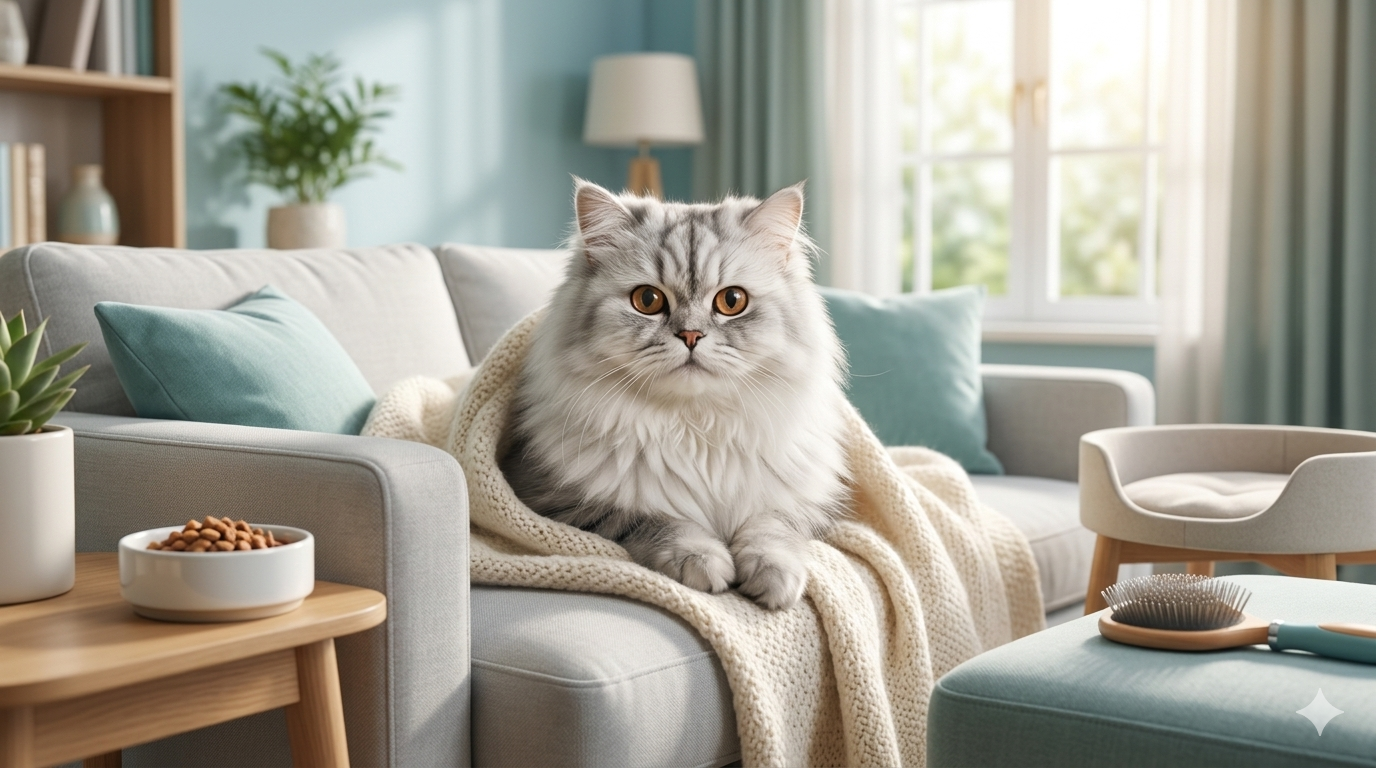
Persian cats are one of the most recognized long-haired cat breeds in the world. They are loved for their soft coat, quiet nature, expressive face, and relaxed indoor personality. However, Persian cats are not a low-effort breed. Their coat needs daily maintenance, their face often needs regular cleaning, and their body shape can make breathing, eye care, and dental care more important than in many other cats. Owners who understand these needs are more likely to enjoy a calm, affectionate, and rewarding companion.
Persian Cat Highlights at a Glance
Quiet Personality
Persian cats are usually calm, gentle, affectionate, and less demanding than many highly active breeds.
Heavy Coat Care
Their long coat can mat easily, so daily brushing and regular coat checks are very important.
Indoor Preference
Persian cats are usually best suited to indoor living where safety, temperature, and hygiene are easier to manage.
Health Monitoring
Owners should pay attention to eyes, breathing, kidney health, dental comfort, and general grooming-related hygiene.
Persian Cat Temperament: Calm, Gentle, and Affectionate
The Persian cat temperament is one of the main reasons this breed remains so popular. Persian cats are usually quiet, soft-natured, affectionate, and content with a comfortable indoor lifestyle. They often enjoy being close to their people, resting on a sofa, watching the home environment, and joining calm routines rather than constant activity.
Typical Personality Traits
- Usually calm and relaxed indoors
- Affectionate with familiar people
- Often gentle rather than highly playful
- Less likely to seek nonstop activity
- Often comfortable with a predictable routine
What Owners Should Expect
- They may dislike loud or chaotic households
- They often prefer gentle handling
- They still need daily care, not only affection
- They can be sensitive to heat and poor hygiene
- They benefit from a clean, peaceful environment
If you also enjoy comparing pet personalities across species, explore our Golden Retriever temperament, Australian Shepherd temperament, and Boxer dog temperament guides.
How to Groom a Persian Cat Properly
One of the most common questions owners ask is how to groom a Persian cat. That is understandable because this breed’s long, dense coat can trap loose fur, dust, moisture, and oil. Without consistent brushing, mats can develop around the chest, belly, underarms, and behind the ears. Grooming is not just about appearance. It is part of basic Persian cat health care.
Daily Brushing
Brush and comb daily to reduce tangles, remove loose fur, and keep the coat soft and manageable.
Facial Cleaning
Persian cats often need gentle daily cleaning around the eyes because tear overflow and staining are common.
Regular Baths
Many Persians benefit from bathing every 4 to 6 weeks, especially when their coat becomes oily, dusty, or difficult to brush.
Nail and Hygiene Care
Trim nails regularly and keep litter areas clean because long coat fur can pick up dirt more easily than short-haired breeds.
Persian Cat Grooming Checklist
- Brush daily, especially around the underarms and belly
- Inspect the skin while grooming for redness or irritation
- Wipe the eye area gently and consistently
- Use calm handling to reduce grooming stress
- Do not ignore mats once they begin forming
- Seek professional grooming help if coat tangles become severe
Persian Cat Health Problems Owners Should Understand
Persian cats are admired for their beauty, but their body shape and genetics can also create health risks that responsible owners need to understand early. Searches about Persian cat breathing issues, kidney problems, eye discharge, and dental crowding are common because these are real care concerns for the breed.
Breathing Difficulty
Flat-faced Persian cats may have reduced airflow, noisy breathing, snoring, and greater heat sensitivity, especially in hot environments.
Polycystic Kidney Disease
PKD is a well-known hereditary condition in Persian lines, so screening and responsible breeding decisions matter greatly.
Eye Care Problems
Tear staining, irritation, and discharge can happen more often because of the Persian cat’s facial structure.
Dental Crowding
Their shortened face can contribute to dental crowding, which makes oral checks and dental hygiene more important.
Persian cats should be protected from overheating, delayed grooming, and neglected facial hygiene. If your cat shows heavy breathing, poor appetite, repeated sneezing, significant eye discharge, or reduced energy, timely veterinary advice is important.
Best Food and Feeding Tips for Persian Cats
Many owners search for the best food for Persian cats because this breed can benefit from thoughtful feeding choices. Their facial shape may make deep bowls awkward, and their low-to-moderate activity level means hydration, coat support, digestion, and portion control all matter.
Use Shallow Feeding Dishes
Wide and shallow bowls may be easier for flat-faced Persian cats than narrow deep bowls.
Support Coat and Skin
Balanced nutrition, hydration, and regular grooming work together to support coat health and overall comfort.
Watch Water Intake
Fresh water should always be available, and any major change in drinking or urination deserves attention.
Avoid Overfeeding
Persian cats are usually not highly athletic, so portion control helps prevent excess weight gain and related health stress.
For broader pet nutrition guidance, visit our Pet Food Queries page and explore helpful recommendations on our Products page.
Are Persian Cats Good for Families?
Persian cats can be excellent companions for the right home. They are usually best suited to families or individuals who want a calm indoor pet and who are comfortable with grooming responsibility. A Persian is often happier in a peaceful environment than in a loud, highly active household.
Usually a Good Match For
- Quiet indoor households
- Owners who enjoy gentle pets
- People able to groom consistently
- Older children who handle cats softly
- Homes with a calm daily routine
May Be Harder For
- Very chaotic or noisy homes
- People wanting a low-maintenance breed
- Homes expecting the cat to live outdoors
- Families unable to manage grooming costs or time
- Owners wanting a highly athletic cat
Doll-Face vs Punch-Face Persian Cat
A common search topic is the difference between traditional doll-face Persian cats and more extreme flat-faced or punch-face Persian cats. The biggest difference is facial structure. More extreme flattening may increase breathing and eye-care challenges, which is why many owners research this topic carefully before choosing a kitten.
Doll-Face Persian
- More traditional appearance
- Slightly longer and more natural nose profile
- Often preferred by owners concerned about extreme flattening
- Still requires full Persian grooming and care
Punch-Face Persian
- More pushed-in facial structure
- More likely to raise breathing and tearing concerns
- Needs careful breeding and health awareness
- Should not be chosen only for appearance
Explore More Breed and Safety Guides
Persian cat owners often compare calm indoor cats with family-friendly dog breeds and practical pet safety resources. Explore these pages to strengthen your site structure and guide visitors deeper into your content ecosystem.
Persian Cat Breed FAQs
Are Persian cats good for beginners?
Persian cats can be good for committed beginners, but they are not ideal for anyone wanting a low-maintenance pet. Grooming and daily care matter a lot.
Do Persian cats need daily grooming?
Yes, daily brushing is usually recommended to reduce tangles, prevent mats, and keep the Persian cat’s long coat in better condition.
Why do Persian cats have watery eyes?
Their facial structure often causes tear overflow and staining, which is why daily face cleaning is common for many Persian cats.
Are Persian cats indoor cats?
Yes, Persian cats are generally best kept indoors where their coat, breathing comfort, and safety can be protected more effectively.
Do Persian cats have breathing problems?
Some Persian cats, especially flatter-faced individuals, may have breathing difficulty, snoring, or heat sensitivity that requires careful observation.
What is PKD in Persian cats?
PKD stands for polycystic kidney disease, a hereditary condition found in some Persian lines. Screening and responsible breeding are important.
How often should a Persian cat be bathed?
Many Persian cats do well with regular baths every 4 to 6 weeks, depending on coat condition, grooming routine, and owner skill.
Are Persian cats affectionate?
Yes, Persian cats are often affectionate and gentle. They usually prefer calm closeness and comfort over intense activity.
What is the difference between doll-face and punch-face Persian cats?
Doll-face Persians have a more traditional facial profile, while punch-face Persians have a flatter face that may be linked with greater breathing and eye concerns.
What do Persian cats eat best?
Persian cats benefit from balanced food that supports hydration, coat health, body condition, and digestive comfort, along with easy-to-use feeding dishes.
Want More Pet Breed and Safety Guidance?
Explore more breed pages, pet care resources, safety tools, and practical guidance designed to support healthier pets and more confident owners.
Vet-Approved Products Every Cat Owner Should Know About
Whether your cat needs better daily nutrition, fast access to a vet, or the right-sized litter box for their breed, these are the vet-recommended brands trusted by thousands of U.S. cat owners in 2026.
Struggling with your cat's dull coat or picky appetite? Ruff Greens' cat supplement line is vet-formulated to support digestion, skin, and coat health in one daily scoop.
🐾 Try Ruff Greens for CatsCan't get a same-week vet appointment? Dutch connects you with licensed U.S. veterinarians online for fast diagnosis, prescriptions, and care plans for your cat — often within hours.
🩺 Talk to a Vet Online NowTired of inconsistent feeding schedules? Petlibro's smart automatic feeders and fountains keep your cat's meals and water on schedule, even when you're away.
🍽️ Shop Petlibro Smart FeedersIs your litter box actually the right size for your cat's breed? Catlink's size guide compares every model so larger or long-bodied breeds get the space they actually need — no more cramped, avoided boxes.
📏 Find Your Cat's Right-Sized Litter BoxCurious what's really in your cat's DNA? Basepaws' breed and health DNA test reveals ancestry, breed traits, and potential genetic health risks — built specifically for cats.
🧬 Get Your Basepaws DNA KitIs your cat anxious during vet visits, travel, or loud noises? Bailey's CBD offers vet-formulated, third-party-tested calming chews and oils made for pets' natural stress response.
🌿 Calm Your Cat with Bailey's CBDWant to compare more cat breeds? Explore our full Cat Breeds Comparison Hub →