Belgian Malinois:
Temperament, Training & Complete Care Guide
Everything you need to know about the Belgian Malinois — personality, family fit, training techniques, nutrition, health, and expert care tips for this elite working breed.
Why the Belgian Malinois Demands a Different Kind of Owner
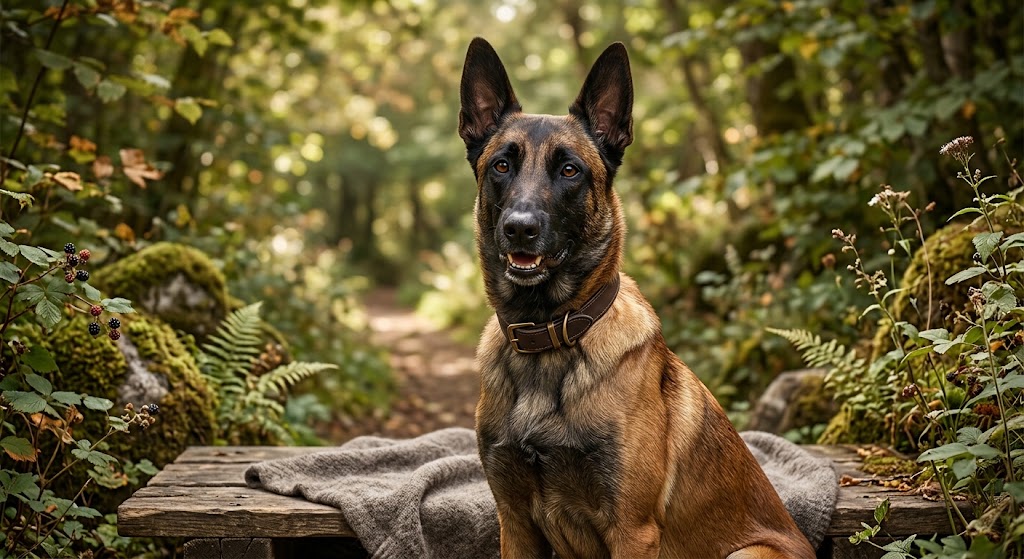
The Belgian Malinois is a highly intelligent, intensely driven working breed renowned for its versatility, loyalty, and elite-level performance in military and police roles worldwide. Their extraordinary capabilities come with extraordinary demands — making them one of the most rewarding, and most challenging, breeds to own.
This guide covers everything: temperament, family fit, training techniques, nutrition, health, grooming, and the lifestyle commitments this breed requires. Read it fully before making your decision.
Browse all breeds: Dog Breeds Hub →
📋 Belgian Malinois Quick Reference


Belgian Malinois Temperament & Personality
Intense loyalty, high energy, and a relentless drive to work — the Malinois personality is unlike any other breed.
🔥 Intensely Loyal
Belgian Malinois bond fiercely with their primary handler or owner. They are devoted, attentive, and will go to extraordinary lengths to protect and please the people they trust.
⚡ Exceptional Energy
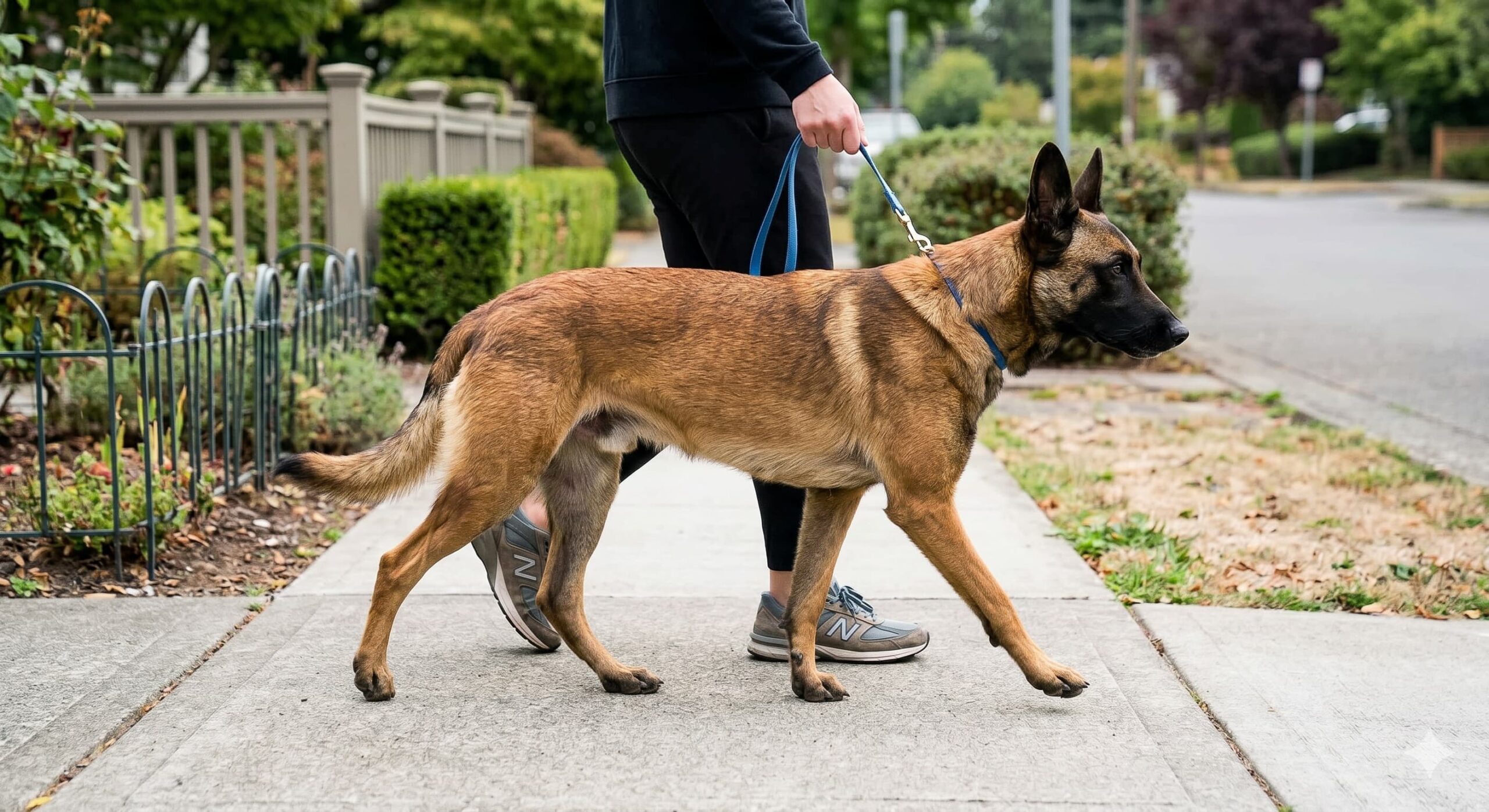
This is not a breed that can be exercised once and left to rest. Their working-dog physiology and drive mean they are always ready — mentally and physically — for the next task.
🎯 Strong Prey Drive
One of the highest prey drives of any breed. This instinct, when channeled correctly through structured training and sport, becomes their greatest strength. Unmanaged, it becomes a serious problem.
🛡️ Natural Protector
Malinois have an innate protective instinct that makes them excellent guard and protection dogs. Early and extensive socialization is essential to prevent this from becoming reactivity or fear-based aggression.
Is a Belgian Malinois a Good Family Dog?
While a Belgian Malinois can be a devoted family companion, they are not suitable for every household. Their high energy and demanding needs mean they thrive only in active families committed to daily vigorous exercise, structured training, and consistent mental engagement.
With kids — with supervision
Can be good with children when properly socialized from puppyhood. Their high prey drive and intensity mean all interactions with young children should always be supervised.
Active families only
Malinois thrive with families who hike, run, train dogs, or participate in dog sports. A sedentary household simply cannot meet their needs.
Apartment — not ideal
Technically possible, but far from ideal. Malinois need space and extensive outdoor exercise. Apartment life significantly increases stress and destructive behavior risk.
Experienced owners strongly preferred
This breed is rarely recommended for first-time owners. Their intensity requires someone who understands working dog psychology and can enforce consistent boundaries.
Belgian Malinois vs German Shepherd Temperament
Two elite working breeds — but significantly different in intensity, prey drive, and owner requirements.
Check Your Malinois’ Paw Health — 30 Seconds
Belgian Malinois put extreme daily demands on their paws — running, jumping, agility, field work. Cracked pads, nail injuries, and inflammation often go unnoticed until they cause lameness. Catch problems early with our free AI scanner.
Belgian Malinois Training Tips & Exercise Needs
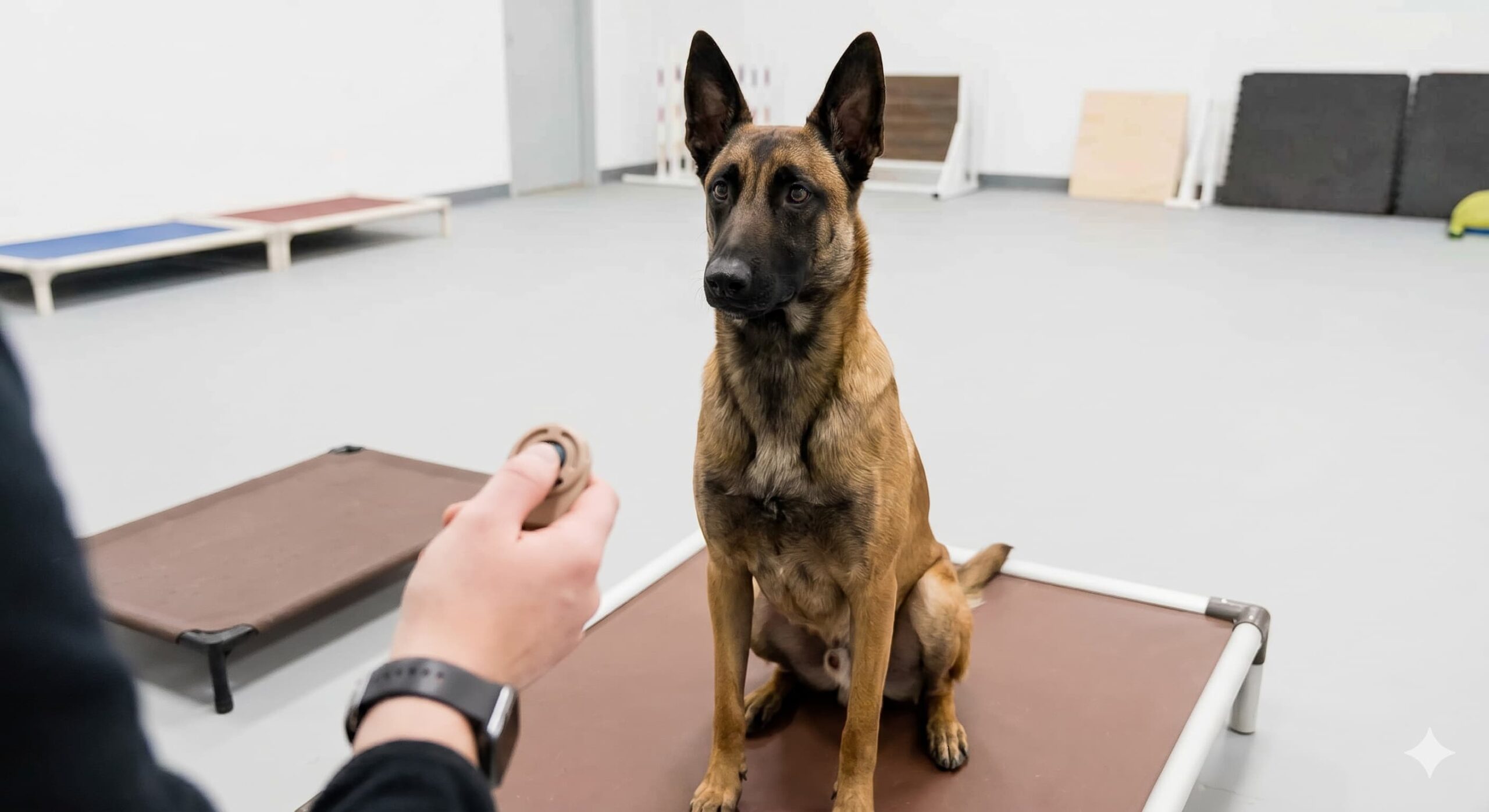
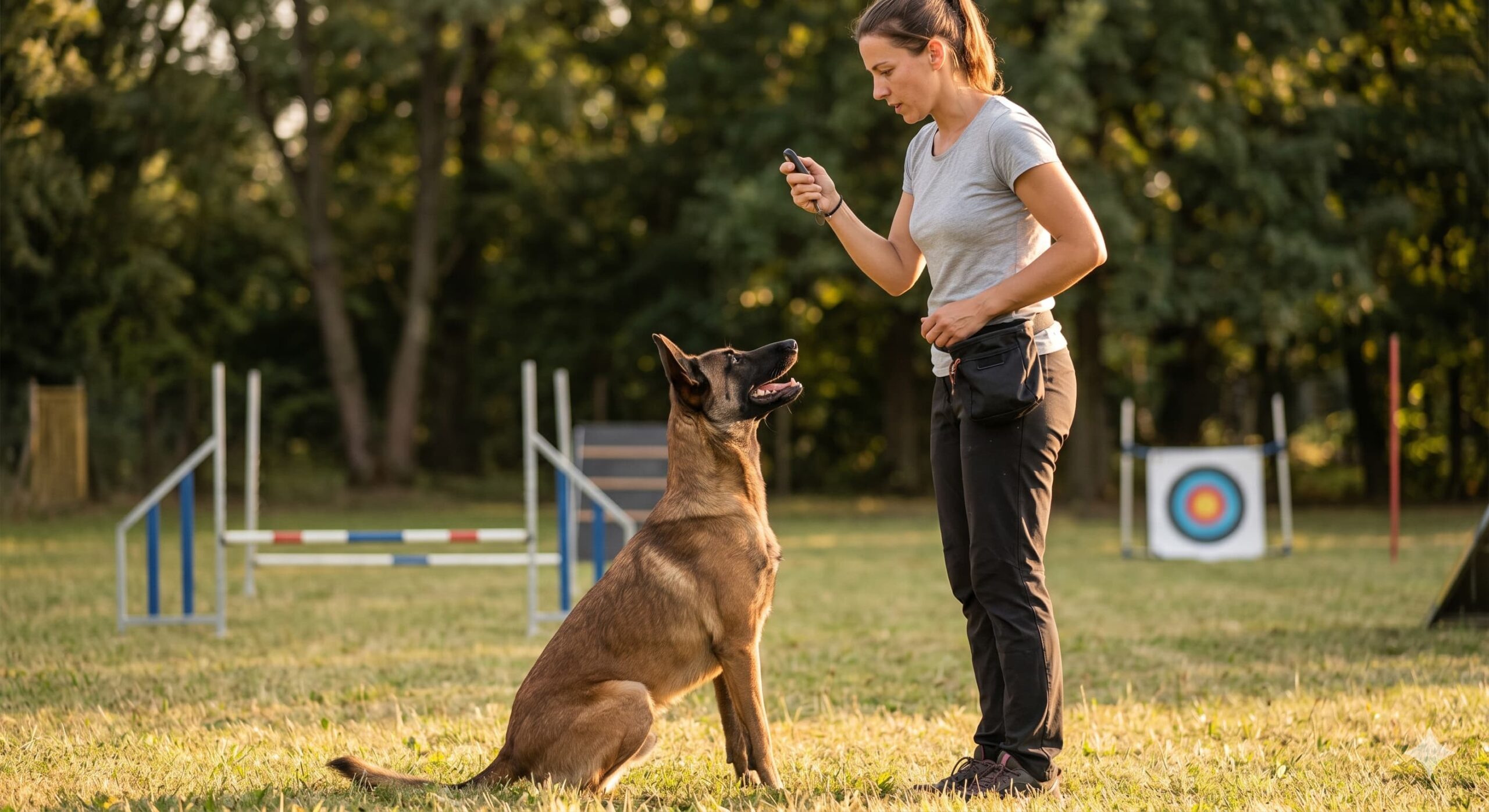
Belgian Malinois are among the most trainable dogs on earth — used by military, police, and search-and-rescue teams globally. But this trainability requires an experienced hand, consistency, and high-intensity engagement every single day.
Daily exercise requirements
Addressing bite inhibition and prey drive
The Malinois’ natural mouthiness and high prey drive must be addressed from puppyhood. Redirect nipping to appropriate chew toys immediately and consistently. Use positive reinforcement to reward calm, controlled behavior. Never use aversive punishment — it increases anxiety and unpredictability in this breed. Structured bite inhibition training with a professional is strongly recommended for families with children.
Belgian Malinois Nutritional Needs
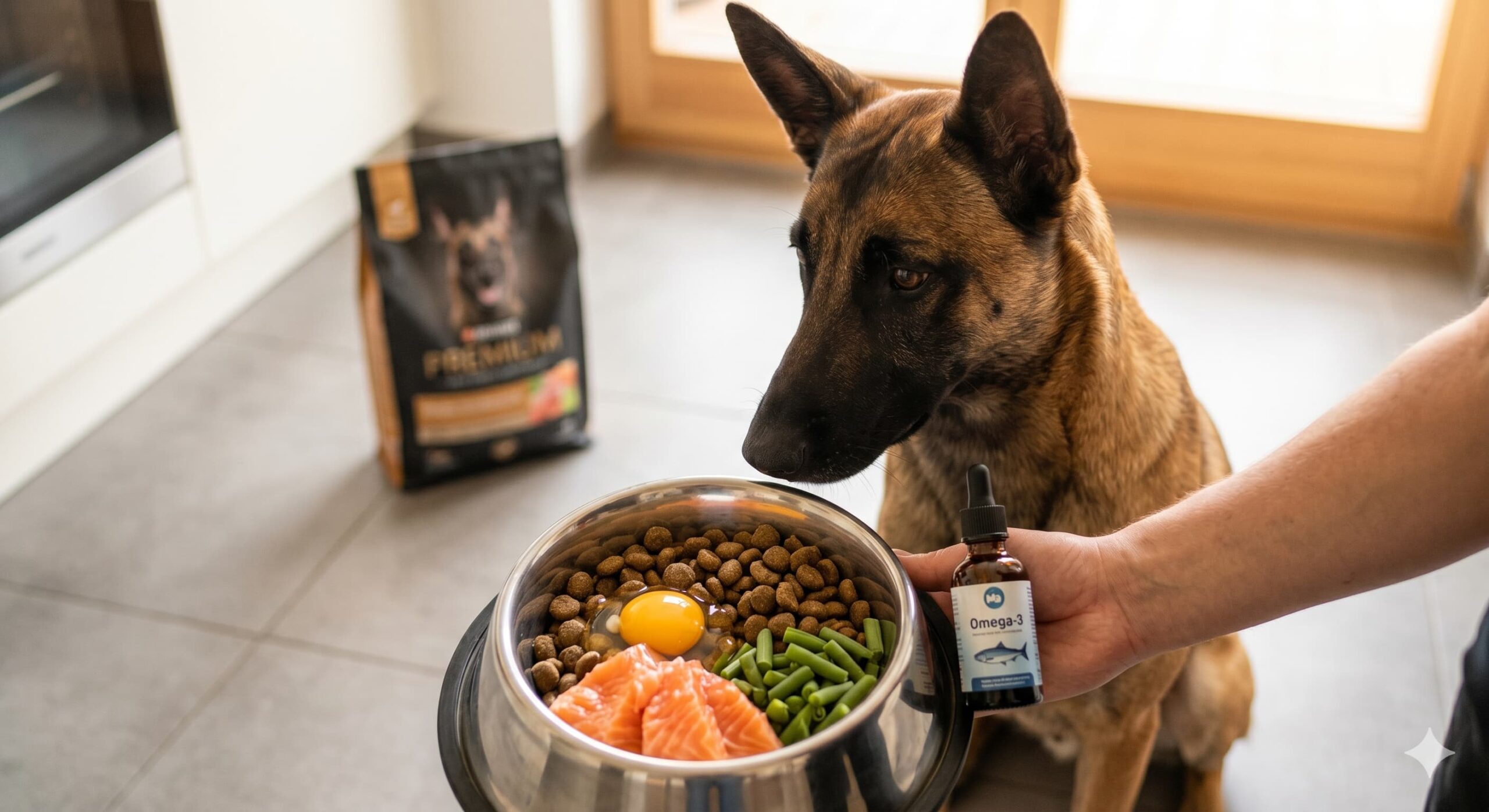
High-performance dogs require high-performance nutrition. The Malinois’ active lifestyle places exceptional demands on their muscle recovery, joint health, and energy systems.
🐾 Puppy Feeding
Feed 3–4 times daily. Quantity ranges from 2–4 cups depending on age, weight, and caloric density of the food. Consult your vet for precise guidelines — growing Malinois have rapidly changing nutritional requirements.
💪 High Protein Priority
Look for formulas with meat as the primary ingredient and a minimum protein content of 25–30%. Protein fuels muscle repair and growth essential for a working dog engaged in daily vigorous activity.
🏃 Active Breed Formula
Choose commercial foods specifically formulated for active or large breeds. These provide sustained energy release and the joint-supporting nutrients this high-impact breed needs throughout their life.
Belgian Malinois Health Problems & Lifespan
With proper care, nutrition, and an active lifestyle, a Belgian Malinois can live 10–14 years. These are the health concerns owners should monitor throughout their dog’s life.
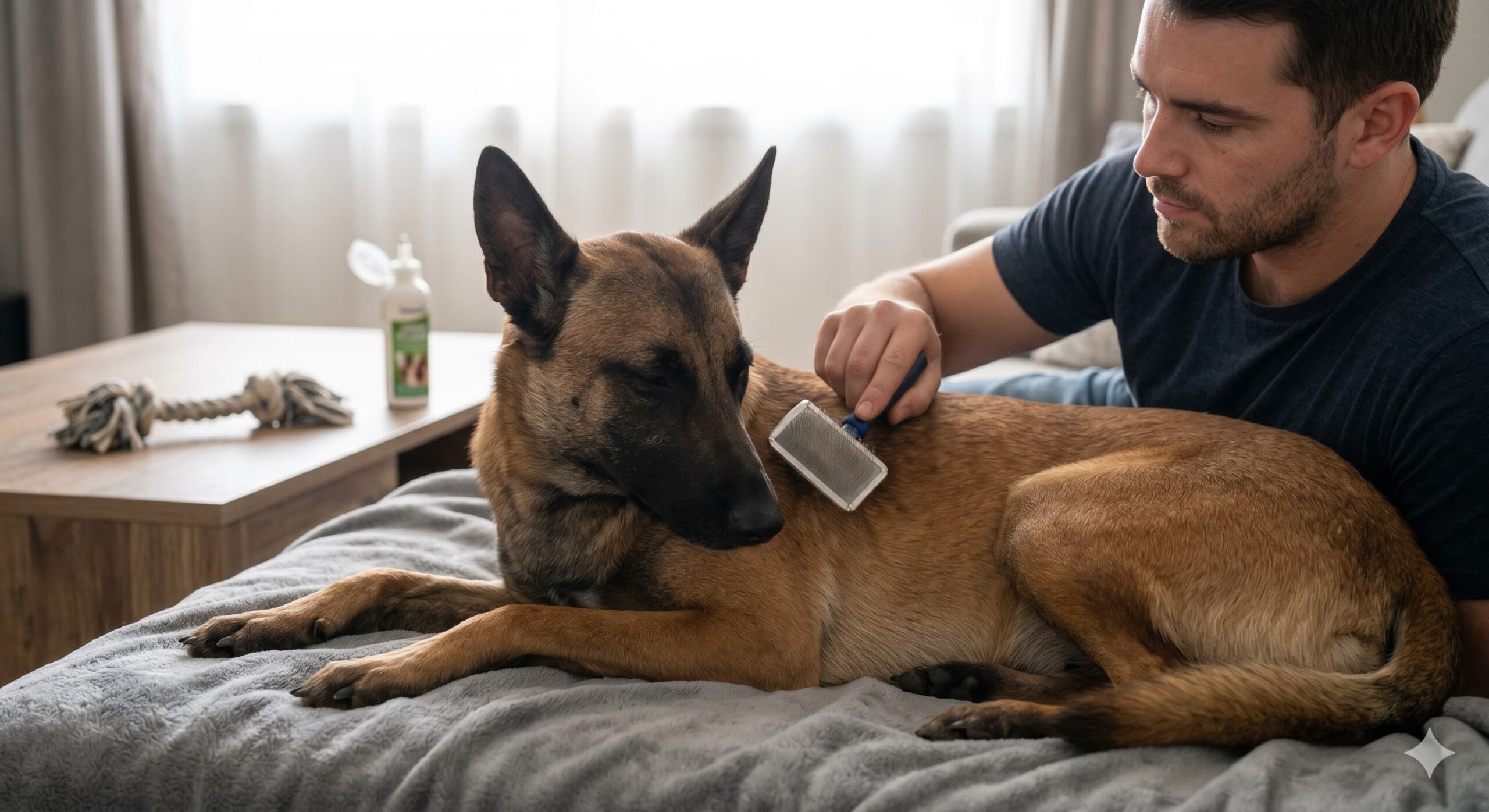
Caring for a Belgian Malinois
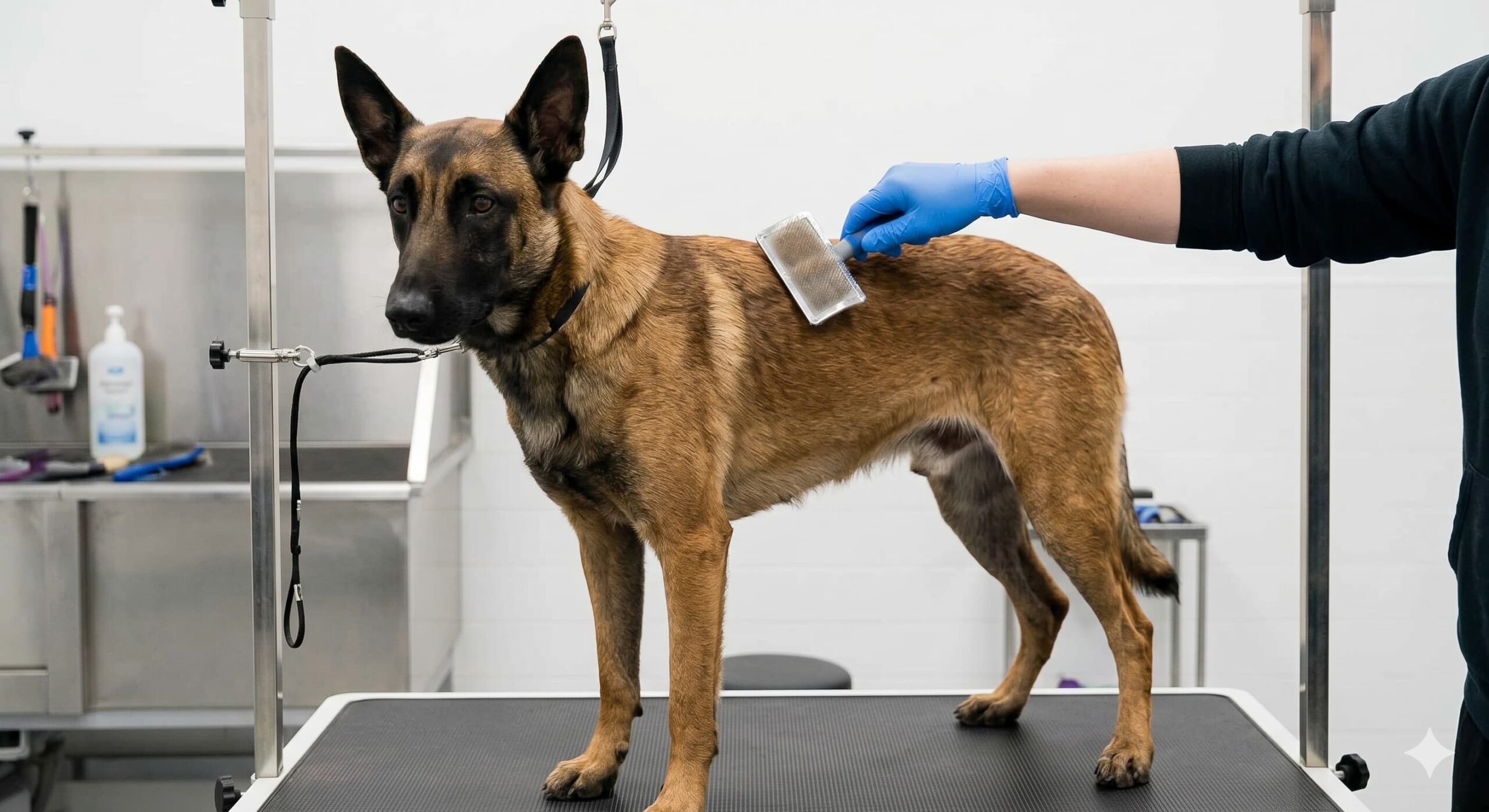
Despite their demanding exercise and training needs, Belgian Malinois are surprisingly low-maintenance on the grooming side. Their short, weather-resistant coat is one of the breed’s most practical features.
🪮 Coat brushing
Regular brushing twice a week is sufficient for most of the year. During seasonal shedding periods (spring and autumn), increase to daily brushing with a deshedding tool to manage loose hair effectively.
💅 Nail trimming
Trim every 3–4 weeks. Active Malinois that run on hard surfaces may naturally wear their nails down — but always check regularly. Overgrown nails cause joint and posture problems in working dogs.
👂 Ear cleaning
Check ears weekly for redness, odor, or discharge. Clean gently with a vet-approved solution. Malinois working in field or water environments should have ears checked after every session.
🦷 Dental care
Brush teeth 3–4 times weekly minimum. Dental chews and water additives help between brushings. Dental disease is one of the most common and preventable health problems in all dog breeds.
Frequently Asked Questions
Common questions about Belgian Malinois temperament, training, and care.
What is the temperament of a Belgian Malinois?
Is a Belgian Malinois a good family dog?
Are Belgian Malinois aggressive to strangers?
How much exercise does a Belgian Malinois need daily?
How long can a Belgian Malinois be left alone?
What health problems do Belgian Malinois commonly have?
Keep Your Malinois Working at Their Best
Upload 2 photos and get a free 10-point clinical paw health report instantly. Working breeds need working-level paw care. No vet visit. No signup. Always free.
Related Pet Care Guides
Explore More Dog Breeds
After reading this guide, browse our full dog breeds hub to compare more temperaments, family compatibility, grooming needs, and training traits across popular breeds.
Visit the Dog Breeds HubVet-Approved Products Every Dog Owner Should Know About
Whether your dog is battling shedding season, digestive issues, or just needs better everyday care, these are the vet-recommended brands trusted by thousands of U.S. dog owners in 2026.
Struggling with your dog's dull coat or picky appetite? Ruff Greens is a vet-formulated superfood supplement supporting digestion, skin, and coat health in one daily scoop.
🐾 Try Ruff Greens TodayCan't get a same-week vet appointment? Dutch connects you with licensed U.S. veterinarians online for fast diagnosis, prescriptions, and care plans — often within hours.
🩺 Talk to a Vet Online NowTired of inconsistent feeding schedules? Petlibro's smart automatic feeders and fountains keep meals and water on schedule, even when you're away.
🍽️ Shop Petlibro Smart FeedersWorried about catching cancer too late? Oncotect is an at-home early cancer screening kit for dogs, with lab results in days instead of invasive vet testing.
🔬 Get Your Oncotect Screening KitCurious what's really in your dog's DNA? Basepaws' breed and health DNA test reveals ancestry, breed traits, and potential genetic health risks.
🧬 Get Your Basepaws DNA KitIs your dog anxious during storms, car rides, or vet visits? Bailey's CBD offers vet-formulated, third-party-tested calming chews and oils made for dogs' natural stress response.
🌿 Calm Your Dog with Bailey's CBDWant more breed-specific care guides? Explore our full Dog Breeds Hub →