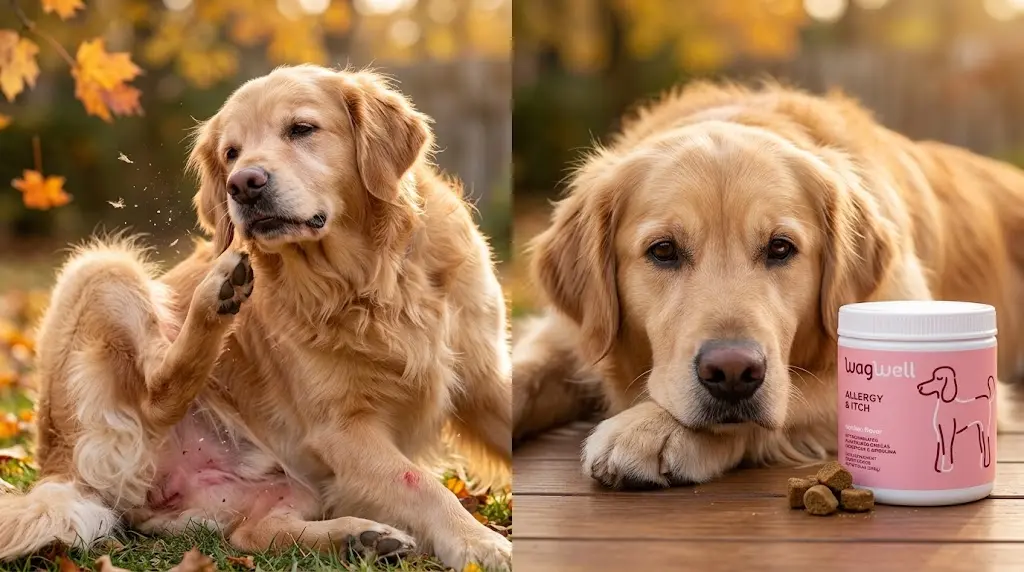
Why Is My Dog Itching Constantly? 7 Common Causes and Relief Tips
Vet-reviewed guide to understanding constant dog scratching causes and providing effective dog itching relief
Quick Reference: Dog Itching Causes
| Cause | Key Symptoms | Relief Timeline |
|---|---|---|
| Fleas | Scratching, black specks, red bumps | 24-48 hours with treatment |
| Allergies | Seasonal or year-round itching | 1-2 weeks with management |
| Dry Skin | Flaking, dull coat | 3-7 days with moisturizing |
| Infection | Odor, discharge, redness | 5-10 days with medication |
Understanding Why Your Dog Is Itching Constantly
Watching your dog scratch incessantly can be distressing for any pet owner. Constant dog scratching causes range from simple environmental factors to complex medical conditions. Veterinarians recommend identifying the underlying cause to provide effective dog itching relief and prevent complications like skin infections or hair loss.
This comprehensive, vet-reviewed guide explores the seven most common reasons for persistent canine itching and provides practical relief strategies you can implement today.
At a Glance: Key Takeaways
- Fleas and parasites are the #1 cause of constant dog itching
- Environmental and food allergies trigger year-round scratching
- Dry skin worsens in winter months, causing persistent discomfort
- Bacterial and fungal infections require veterinary treatment
- Early intervention prevents complications and provides faster relief
7 Common Causes of Constant Dog Scratching
1. Flea Allergies and Infestations
Flea allergy dermatitis ranks as the most common cause of constant dog itching. A single flea bite can trigger an allergic reaction lasting weeks. Veterinarians recommend year-round flea prevention, as these parasites thrive even in cooler climates with indoor heating.
Signs to watch for: Excessive scratching at the base of the tail, red bumps on skin, black “flea dirt” in the coat, and visible fleas when parting the fur.
2. Environmental Allergies (Atopic Dermatitis)
Dogs can develop allergies to pollen, mold, dust mites, and grass. Unlike humans who sneeze, dogs manifest allergies through skin irritation and constant scratching. This condition typically appears between ages 1-3 and may worsen seasonally.
Veterinarians recommend allergy testing and immunotherapy for severe cases, providing long-term dog itching relief without continuous medication.
3. Food Allergies and Sensitivities
Food allergies cause year-round itching rather than seasonal patterns. Common allergens include beef, chicken, dairy, wheat, and soy. Unlike food intolerances that affect digestion, true food allergies manifest primarily through skin symptoms.
Relief approach: Elimination diets lasting 8-12 weeks help identify trigger ingredients. Veterinarians recommend prescription hypoallergenic diets during the trial period.
4. Dry Skin (Xerosis)
Low humidity in winter, excessive bathing, or harsh shampoos strip natural oils, causing dry, flaky skin. This common condition creates persistent itching without the presence of parasites or allergies.
Dog itching relief includes moisturizing shampoos, omega-3 fatty acid supplements, and proper grooming intervals recommended by veterinarians.
5. Bacterial and Yeast Infections
Secondary infections often develop when constant scratching damages the skin barrier. Bacterial pyoderma and yeast overgrowth (Malassezia) produce distinctive odors and discharge. Veterinarians recommend prompt treatment to prevent spreading and deeper tissue involvement.
6. Parasitic Mites
Sarcoptic mange (scabies) and other mites burrow into skin, causing intense itching. These microscopic parasites require specific diagnostic tests and prescription treatments. Contact your veterinarian if your dog shows sudden, severe itching that doesn’t respond to typical remedies.
7. Anxiety and Behavioral Issues
Stress-induced scratching and licking can become compulsive behaviors. Dogs may develop “hot spots” from excessive attention to one area. Veterinarians recommend addressing both the behavioral cause and treating any resulting skin damage.
Effective Dog Itching Relief Strategies
Immediate Relief Measures
- Cool oatmeal baths: Colloidal oatmeal soothes inflamed skin naturally
- E-collar use: Prevents further damage while treating underlying causes
- Topical treatments: Veterinarian-approved anti-itch sprays provide temporary relief
- Environmental control: Wash bedding weekly in hot water, vacuum frequently
Long-Term Management
Veterinarians recommend a multi-faceted approach for managing chronic itching:
- Prevention: Year-round flea and tick prevention is essential
- Diet optimization: High-quality proteins and omega-3 supplements support skin health
- Regular grooming: Professional grooming every 6-8 weeks maintains skin condition
- Allergy management: Immunotherapy or antihistamines as prescribed
- Moisture balance: Humidifiers during dry months prevent xerosis
When to Seek Veterinary Care
Contact your veterinarian immediately if you notice:
- Itching lasting more than one week without improvement
- Hair loss, bleeding, or open sores from scratching
- Signs of infection (odor, discharge, swelling)
- Behavioral changes or loss of appetite
- Itching that disrupts sleep or normal activities
Frequently Asked Questions
If your dog has been itching constantly for more than a week, shows signs of skin damage, hair loss, or behavioral changes, schedule a vet visit immediately. Veterinarians recommend seeking professional care if you notice bleeding, infection signs, or if home remedies don’t provide relief within 3-5 days.
Yes, food allergies are a common cause of constant dog itching. Proteins like beef, chicken, dairy, and wheat are frequent culprits. Signs include year-round itching, ear infections, and digestive issues. Veterinarians recommend elimination diets lasting 8-12 weeks to identify food allergies.
Effective home remedies include oatmeal baths to soothe inflamed skin, coconut oil application for moisture, omega-3 supplements to reduce inflammation, and apple cider vinegar diluted rinses. However, if itching persists beyond a few days, veterinarians recommend professional evaluation to address underlying causes.
Check for tiny black specks (flea dirt) in your dog’s fur, especially near the base of the tail and belly. You might see the fleas there.