Why Younger Americans Are Swapping Dogs for Cats — And the Tech They’re Buying
Cat ownership just hit 39% of US households — a 5% surge driven almost entirely by Gen Z and Millennials. Here’s why younger Americans are choosing cats, and the smart pet tech fueling a multi-billion dollar spending wave.
📋 What This Article Covers
Smart feeders are the ultimate Gen Z cat-tech flex — but PETLIBRO and PETKIT aren’t the same purchase. See which one actually earns a spot in your setup before you buy.
PETLIBRO vs PETKIT: See the Winner →The Data Is Clear: Gen Z & Millennials Are Choosing Cats
Cat ownership remains a key growth driver, increasing 5% year over year in 2025 to reach 39% of US households — 53 million homes — with growth propelled by Gen Z and Millennials. This is not a minor statistical blip. It represents a fundamental realignment of American pet culture driven by generational lifestyle differences.
APPA’s 2025 State of the Industry Report reveals that US pet industry expenditures reached $152 billion in 2024, with Gen Z driving a remarkable shift in pet ownership. This generation is leading in multi-pet ownership and relies heavily on social media platforms like TikTok, YouTube and Instagram to discover and purchase pet products.
Gen Z accounted for 20% — 18.8 million — of US pet-owning households in 2024, a 43.5% increase from 2023. This generation represented 20% of cat owners, a 25% increase year-over-year. Notably, 70% of Gen Z pet owners have two or more pets, making them the generation most likely to own multiple animals.
Gen Z pet-owning households grew 43.5% from 2023 to 2024 — the fastest generational growth in pet ownership history. Cat ownership within Gen Z grew 25% in the same period.
Millennials and Gen Z together generate 57% of all US pet ownership. Millennials remain the largest single cohort at 30%, with Gen Z at 20% and rapidly closing the gap.
Cat ownership has now reached 39% of all US households — 53 million homes. The number of cats in American homes stands at 74.2 million in 2026, the highest ever recorded.
51% of pet product purchases now happen online — heavily skewed toward Gen Z and Millennials. TikTok, Instagram and YouTube are the primary discovery channels for new pet tech products.
Why Younger Americans Prefer Cats for Modern Urban Life
The shift isn’t random — it’s driven by a precise alignment between cat ownership requirements and Gen Z/Millennial lifestyles.
🐕 Dog Ownership — Higher Commitment
- Requires daily walks — 2-3 times per day minimum
- Annual cost $1,030-$3,000+ including walks, boarding
- Not suitable for most urban apartments under 600 sqft
- Needs pet sitter or kennel during travel
- 10-16 year commitment with increasing senior care costs
- Requires significant daily schedule commitment
🐱 Cat Ownership — Flexible & Urban-Friendly
- Self-sufficient — no daily walks required
- Annual cost $500-$1,200 — fits entry-level budgets
- Thrives in small apartments — vertical space sufficient
- More tolerant of owner travel with auto feeders & cameras
- 15-20 year lifespan with lower maintenance curve
- Compatible with remote work, flexible and hybrid schedules
The Apartment Living Factor
The US urban population reached 83% in 2025. Gen Z and Millennials are disproportionately urban — concentrated in cities where apartment sizes average 882 square feet. A dog in 882 square feet needs daily outdoor exercise that requires time many young professionals don’t consistently have. A cat with a multi-level cat tree, enrichment toys and a smart litter box thrives in the same space with far less daily intervention.
The Remote Work Acceleration
The post-pandemic shift to hybrid and remote work fundamentally changed pet dynamics. Young professionals working from home discovered that cats provide companionship without the scheduling constraints of dog ownership. In 2025, 30% of cat owners were millennials, according to APPA. The most significant growth in cat ownership was among Gen Z and Millennial men — 38% of Gen Z cat owners and 46% of Millennial cat owners identify as male, breaking the historical stereotype of cat ownership as predominantly female.
The “Pet Parent” Identity Shift
For every five millennials, two ages 16-34-year-old pet owners say they think of their pets as their kids. This “pet parenthood” identity drives premium spending — younger owners are not buying basic pet supplies. They are investing in technology, nutrition and design-forward products that reflect their values and aesthetic preferences. A $400 self-cleaning litter box is not an extravagance to a Millennial cat parent — it is the equivalent of a quality appliance for a household member.
The Smart Cat Tech Explosion — What Gen Z & Millennials Are Actually Buying
The smart pet tech market is projected to reach $12 billion by 2028, with 70% of millennial pet parents seeking automated solutions for feeding schedules, litter maintenance and activity tracking. These are the products driving that growth.
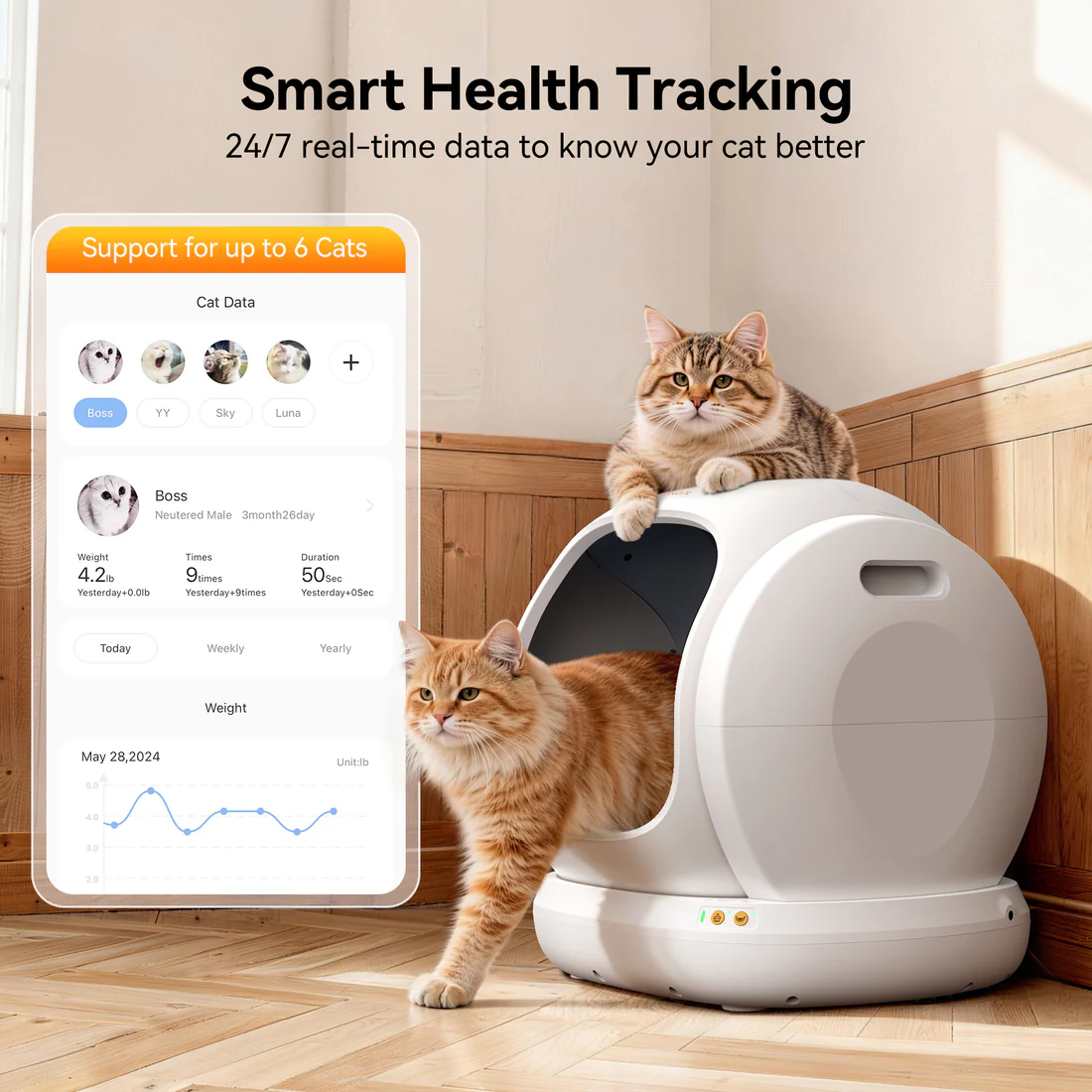
Auto self-cleaning with digital odor sealing and app-controlled health tracking. Ships from US warehouse in 1-3 days. Top-rated for apartments.
🇺🇸 Shop Meowant SC02 →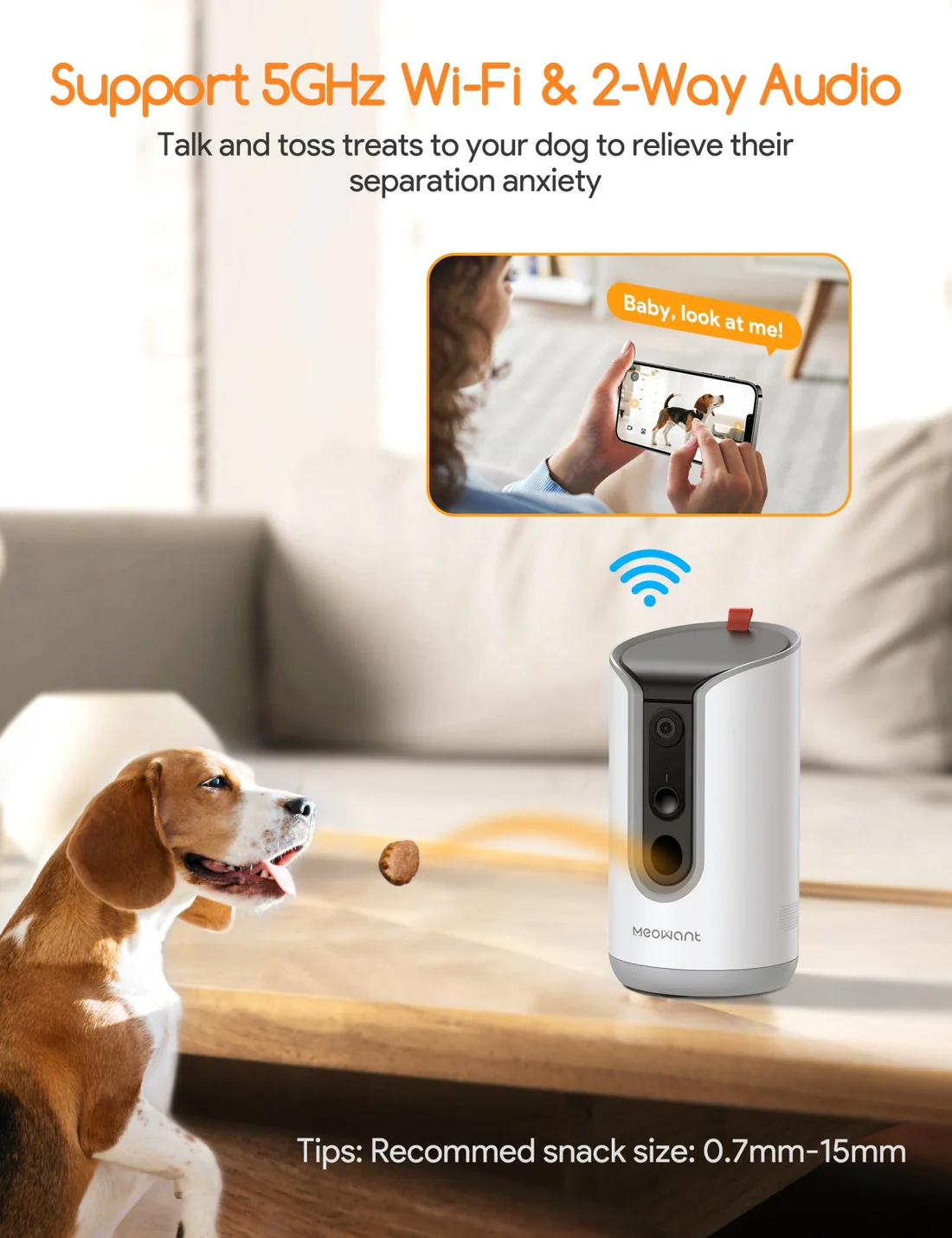
Two-way audio, night vision, 2K HD camera and auto treat dispensing. The Gen Z go-to for remote cat monitoring while at work or traveling.
🇺🇸 Shop Camera →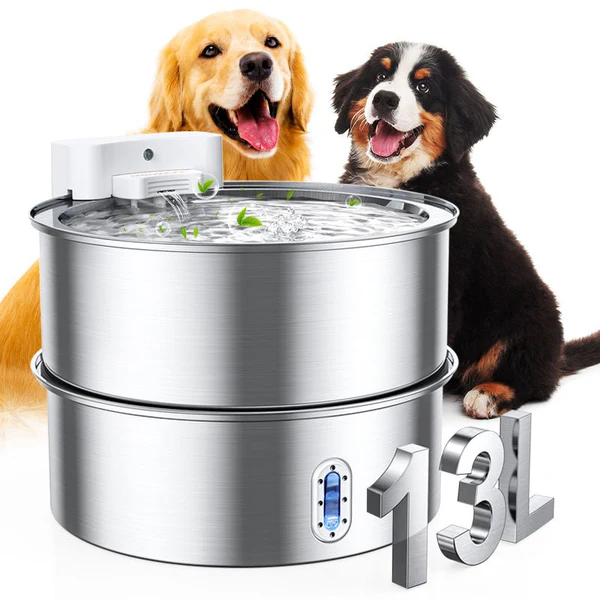
Premium no-rust stainless circulating fountain. Design-forward aesthetic that fits modern apartment interiors. Encourages cats to drink more water daily.
🇺🇸 Shop Fountain →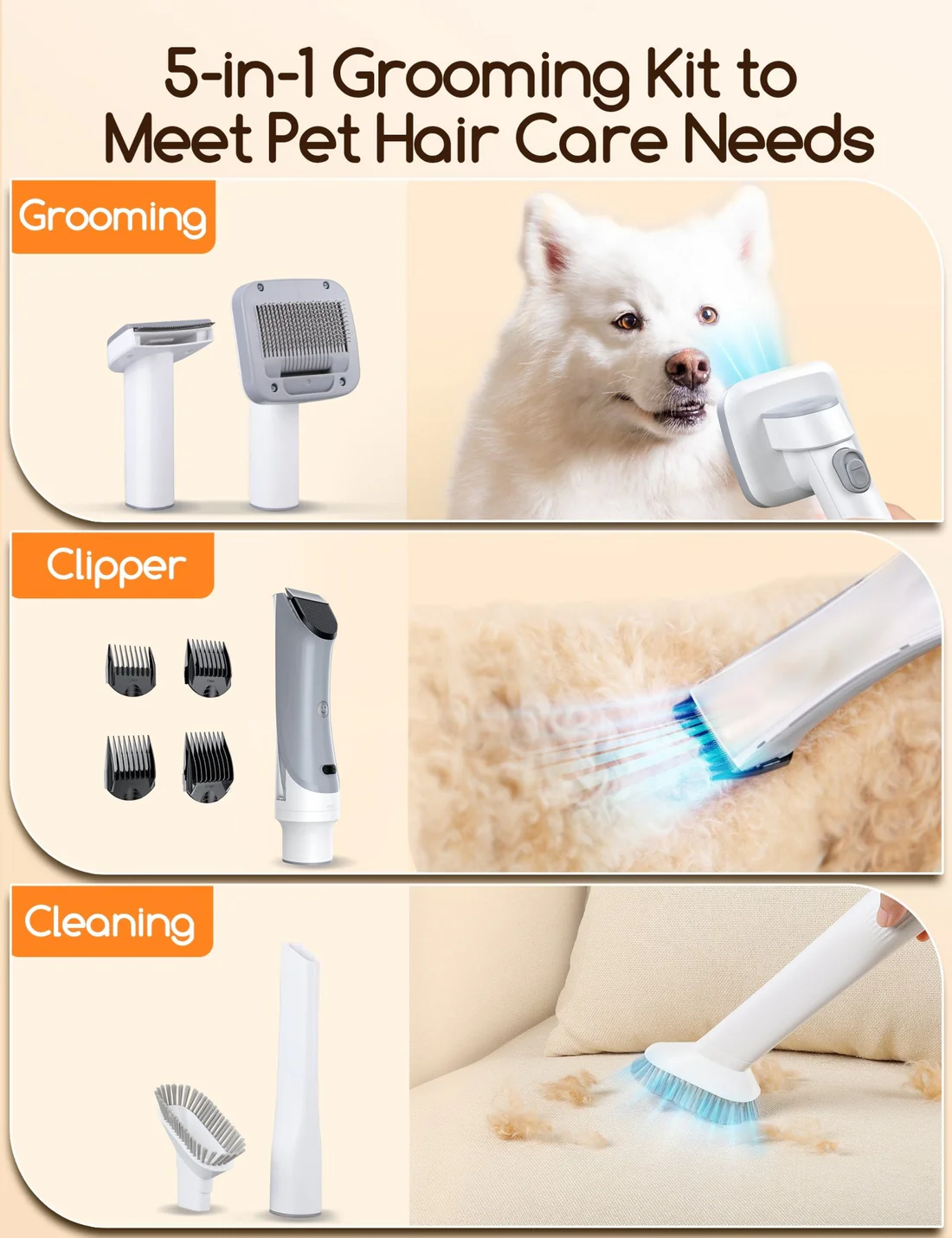
Complete at-home grooming system with 5 attachments. Ships from US warehouse — the premium grooming solution that replaces costly salon visits.
🇺🇸 Shop Grooming Kit →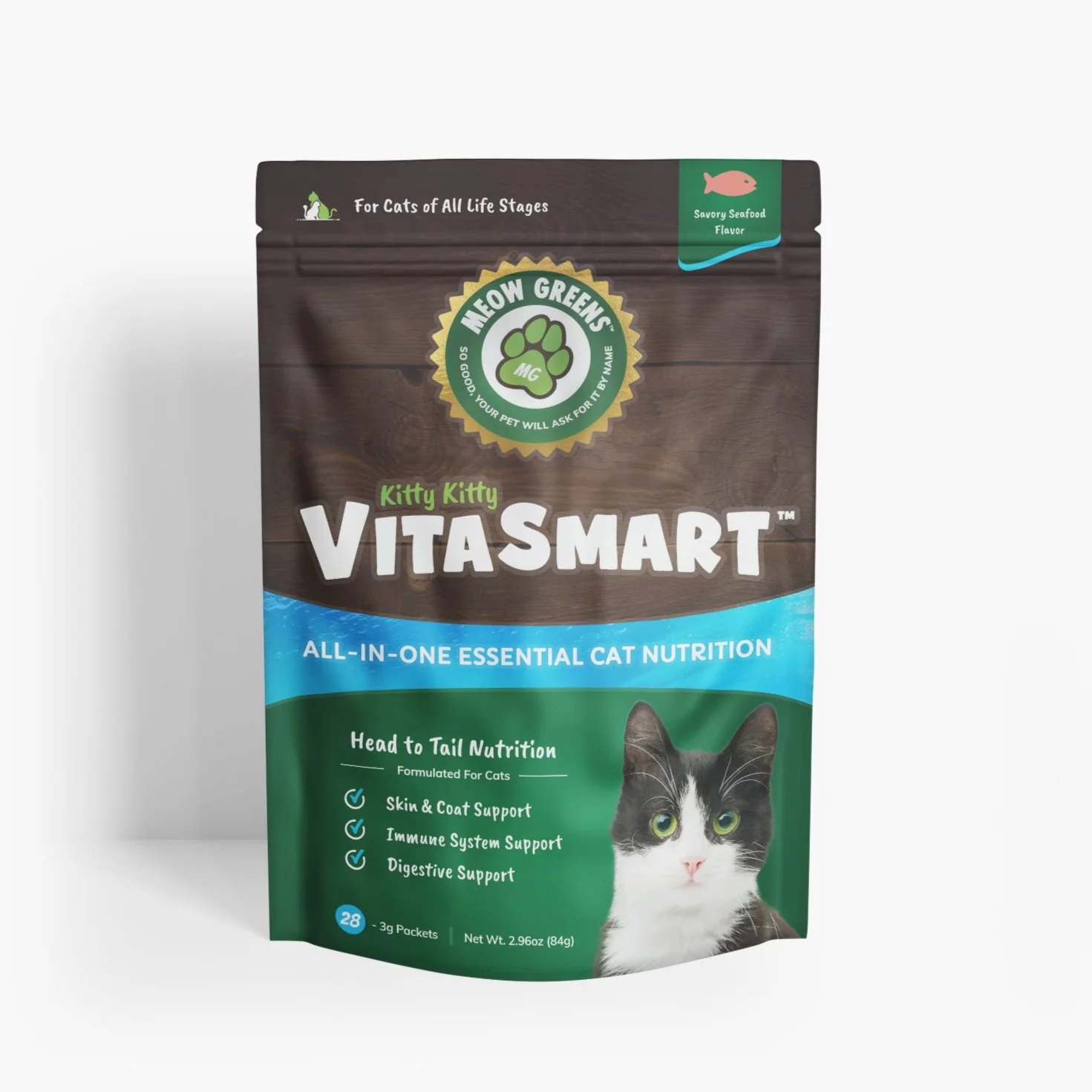
USA-made organic cat supplement with taurine, omega oils and probiotics. The premium nutrition choice for health-conscious Millennial cat parents.
🇺🇸 Shop Cat Vitamins →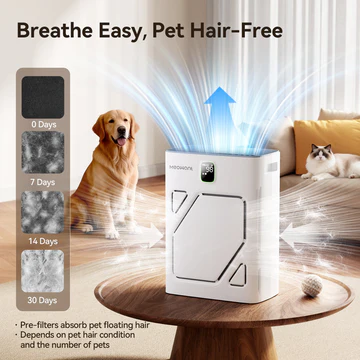
HEPA filtration eliminates cat dander, allergens and odors. Essential for apartment cat owners — the #1 complaint about indoor cats is odor, solved.
🇺🇸 Shop Air Purifier →Why App-Connected Tech Wins With Younger Cat Owners
Users report 25% less food waste with app-tracked feeders and 40% reduced cleaning time via robotic litter systems. For Millennial and Gen Z cat parents juggling remote work, travel and urban lifestyles, these efficiency gains are not optional extras — they are the primary purchase motivation. Smart litter boxes that send health alerts to their phone are seen as preventive healthcare tools. The Meowant SC02 represents this category perfectly — it’s the self-cleaning litter box US apartment cat owners are buying right now.
The Premiumization Wave — Why Cat Owners Are Spending More
Cat ownership and spending rose in 2025, propelled by Gen Z and Millennials. But the more interesting story is not just that more people own cats — it is that they are spending significantly more per cat than previous generations. This “premiumization” trend is reshaping the entire cat product market.
Design-Forward Products Over Budget Options
Younger cat owners treat their home as a reflection of their identity — and that extends to their cat’s products. A scratching post that looks like mid-century furniture. A litter box with the aesthetic of a kitchen appliance. A water fountain that could pass as modern home decor. The functional product category is being disrupted by design-conscious alternatives that command 3-5x the price of traditional options.
Species-Specific Organic Diets
The human wellness movement has fully migrated to cat nutrition. Millennial cat owners who read ingredient labels on their own food now read them on cat food. Millennial cat owners report significant usage of calming products, with 66% of cat owners incorporating wellness products into their pet care routines. Organic, grain-free, human-grade and species-specific formulations command premium prices that younger owners willingly pay.
This is exactly why the Ruff Greens Meow Greens cat supplement resonates with this demographic — it is USA-made in an FDA Registered facility with human-grade ingredients, marketed as preventive wellness rather than basic nutrition.
The AI Health Monitoring Shift
Millennial and Gen Z pet owners are prioritizing preventive healthcare for cats, driving demand for high-tech litter solutions. AI-enabled smart litter boxes can detect early indicators of kidney disease, urinary tract infections and weight-related concerns, positioning them as essential health-monitoring tools rather than convenience devices.
This reframing — from convenience product to health monitoring device — is the key marketing insight driving the $2.56 billion smart litter box market. Younger cat owners do not feel they are buying a luxury. They feel they are being responsible pet parents.
🐈 Shop the Smart Cat Tech Gen Z Is Buying
Self-cleaning litter boxes, 2K cameras, HEPA purifiers and USA-made cat vitamins — all available with US warehouse shipping in 1-3 days.
Related Cat & Pet Care Guides
Everything a modern cat parent needs — breed guides, nutrition, smart tech and free health tools.
Browse all 88 vet-reviewed products — self-cleaning litter boxes, cameras, fountains, grooming kits and more.
Persian, Ragdoll, Siamese — breed-specific care guides, health needs and product recommendations.
USA-made Ruff Greens Meow Greens — taurine, omega oils and probiotics for premium cat nutrition.
Cat tunnels, scratchers, 10-piece toy sets and enrichment toys for indoor cats — vet-reviewed picks.
Your central resource for all cat and dog health topics — vaccines, first aid, safety and nutrition guides.
Keep your cat’s vaccination schedule on track with our free digital vaccine tracker — vet-reviewed.
Frequently Asked Questions
Why are Gen Z and Millennials choosing cats over dogs?
What smart cat tech are Millennials buying in 2026?
How many US households own cats in 2026?
What is the best self-cleaning litter box for apartments in 2026?
Do cat vitamins and supplements work?
Why is the cat market growing faster than the dog market?
🐈 Shop the Smart Cat Tech Built for Modern Life
Self-cleaning litter boxes, 2K cameras, HEPA purifiers, stainless fountains and USA-made cat vitamins — everything the modern Millennial and Gen Z cat parent needs, shipping from US warehouses in 1-3 days.
🛡️ Transparency Disclosure: Some links on this page are affiliate links. OneHealthGlobe may earn a commission at no extra cost to you. Statistics cited are sourced from APPA 2025 State of the Industry Report, World Animal Foundation 2026 and Grand View Research. All product recommendations are independently selected.