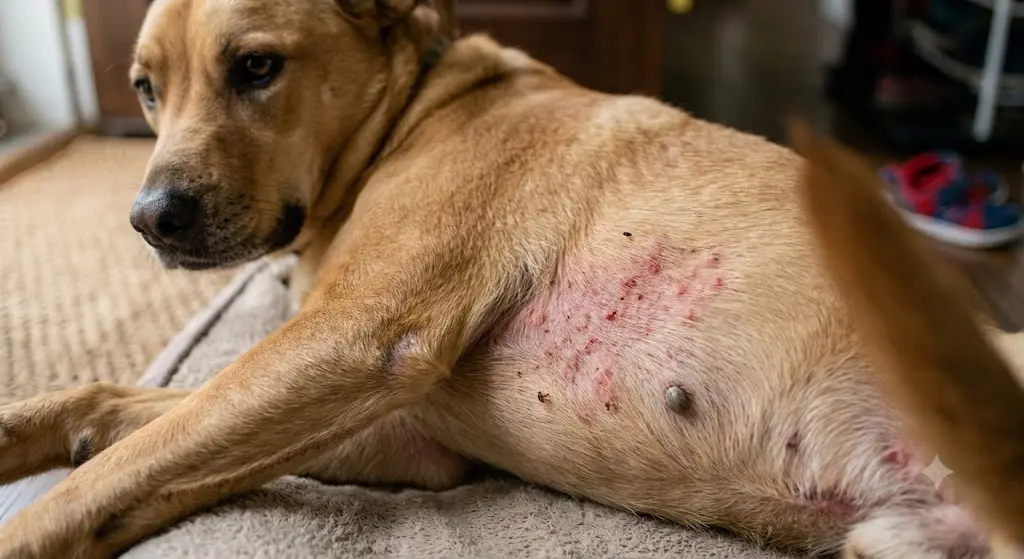
Best Flea & Tick Treatment and Prevention for Dogs & Cats (2026): Best Chews, Topicals & Online Vet Rx
The best flea and tick treatment and prevention for dogs and cats in 2026 is a monthly prescription isoxazoline chew such as Simparica Trio or NexGard PLUS, because one dose covers fleas, multiple tick species, heartworm and intestinal worms. After fifteen years of writing about parasite control and answering the same panicked message every spring, I can tell you the failure is almost never the medication. It is a missed dose, an underdosed weight band, or an untreated carpet.
If you are staring at flea dirt on a white towel right now, breathe. Flea allergy dermatitis, tick borne disease and that maddening midnight scratching are all preventable with the right product category, the right species specific formula, and a home treatment plan that runs alongside it. This guide compares oral chews, topical spot ons and vet grade collars, explains prescription versus over the counter flea medicine, and shows where USA owners can get a legitimate flea and tick prescription online the same day.
👨⚕️ Get a Flea & Tick Rx Online Today →
Short answer for busy buyers: want one product that covers fleas, ticks, heartworm and worms? Buy a monthly prescription chew. Want the cheapest option that still works? Buy a topical spot on. Hate pills and drops? Buy a vet grade collar. Cats need a cat only product, never a dog product.
Already paying full price for Simparica Trio? A six dose box runs $140 to $180. Several FDA approved, USA licensed alternatives cover the same flea, tick and heartworm spectrum for less per month.
What you will compare on this page
- Why flea and tick prevention for dogs matters
- Where dogs and cats get fleas and ticks
- Types of flea and tick preventives
- Compared side by side
- Over the counter vs prescription
- Choosing by weight, age and geography
- Best picks for puppies and kittens
- Multi pet homes with cats
- Are these preventives safe
- What prevention actually costs
- Treating your home and yard
- Common mistakes owners make
- Buyer FAQs
Why Flea and Tick Prevention for Dogs and Cats Matters
Fleas are not just an itch problem. A heavy infestation causes flea allergy dermatitis, secondary skin infection, tapeworm transmission and, in kittens and small breeds, life threatening anemia. Ticks carry Lyme disease, ehrlichiosis, anaplasmosis and Rocky Mountain spotted fever, and those diagnostics and treatments routinely run into the hundreds of dollars.
Here is the part first time owners learn the hard way. Adult fleas on your pet are roughly five percent of the population. The other ninety five percent are eggs, larvae and pupae living in carpet fibers, sofa seams and pet bedding. One female lays up to fifty eggs a day, so a quiet living room becomes a full infestation inside three weeks. Year round prevention is cheaper than any cure.
🐕 Shop Vet Grade Dog Flea & Tick Treatment →
Where Dogs and Cats Get Fleas and Ticks
Outdoors is the obvious route. Tall grass, leaf litter, wood piles, dog parks and shaded yard edges are classic tick habitat, while flea pupae survive in soil and under decks waiting for vibration and carbon dioxide to signal a host. A single off leash sprint through a brush line is enough exposure.
Indoors matters just as much, which is why strictly indoor cats still get fleas. Eggs ride in on shoes, pant cuffs, secondhand furniture and visiting dogs, then hatch in heated homes through winter. Wildlife under a porch, a neighbor cat on the patio, and boarding or grooming visits round out the realistic transmission list.
Outdoors: yard edges, trails and dog parks
Ticks quest at ankle and knee height on grass tips, so trail dogs and yard patrollers face the highest attachment risk. Check the groin, armpits, ear folds and between the toes after every outing, and pair prevention with a tick removal tool kept in your first aid kit.
Indoors: carpets, bedding and upholstery
Flea larvae avoid light and burrow deep into carpet pile and mattress seams. That is why treatment fails when only the pet is dosed. Vacuum daily, launder bedding hot, and treat every animal in the household on the same calendar day to break the reinfestation loop.
From other animals
Multi pet homes share parasites instantly. One untreated cat, a foster puppy, or a stray that sleeps on your porch reseeds the environment within days. Treat every dog and cat in the house, using the correct species specific formulation for each one.
Types of Canine and Feline Flea and Tick Preventives
There are three mainstream categories in the USA, plus a handful of short term rescue products. Oral chews are systemic, topicals are distributed through skin oils, and collars release active ingredient slowly onto the coat. Each has a legitimate best use case, and mixing categories carelessly is how pets get overdosed.
Match the format to your household, not to a marketing claim. Families with toddlers often prefer chews because there is no wet residue. Owners who cannot pill a cat prefer spot ons. Owners who forget dates prefer twelve week chews or eight month collars.
Oral treatments (chews and tablets)
Isoxazoline chews such as Simparica Trio, NexGard PLUS, Bravecto and Credelio are prescription only. They begin killing fleas within four hours and ticks within eight to twelve, and the combination products add heartworm, roundworm and hookworm coverage in the same dose.
Topical spot on treatments
Frontline Plus, Frontline Gold, Advantage II and K9 Advantix II are applied between the shoulder blades. Most kill eggs and larvae as well as adults, which helps clear a house faster. Keep treated dogs away from cats until the application site is completely dry.
Flea and tick collars
Seresto delivers eight months of flea and tick control and repels ticks before attachment, which works out near the lowest cost per month of any legitimate option. Fit matters. The collar must sit snug against skin, and counterfeit listings are common on third party marketplaces.
Shampoos, sprays and combs
These are rescue tools, not a prevention plan. A flea shampoo kills what is on the coat today and does nothing about eggs in the rug tomorrow. A fine tooth flea comb is genuinely useful for early detection and for puppies too young for medication.
🐱 Get a Cat Safe Flea & Tick Prescription →
Flea and Tick Prevention for Dogs and Cats Compared Side by Side
The table below is the fastest way to see what you are actually buying. Read it with your own risk profile in mind, because a city dog on pavement faces very different tick pressure than a weekend hiking dog in tall grass.
| Product | Type | Rx needed | Duration | Fleas | Ticks | Typical US cost |
|---|---|---|---|---|---|---|
| Simparica Trio | Oral chew | Yes | 1 month | Kills in 4 hours | 5 tick species | $26 to $34 per month |
| NexGard PLUS | Oral chew | Yes | 1 month | Kills in 4 hours | 4 tick species | $28 to $35 per month |
| Bravecto | Oral chew | Yes | 12 weeks | Yes | Yes | $20 to $26 per month equivalent |
| Credelio | Oral chew | Yes | 1 month | Yes | Yes | $22 to $30 per month |
| Seresto collar | Collar | No | 8 months | Yes | Yes, repels | $8 to $10 per month equivalent |
| Frontline Plus | Topical | No | 1 month | Adults, eggs, larvae | Yes | $12 to $16 per month |
| Frontline Gold | Topical | No | 1 month | Faster than Plus | Yes | $15 to $19 per month |
| K9 Advantix II | Topical, dogs only | No | 1 month | Yes | Repels, plus mosquitoes | $13 to $17 per month |
| Advantage II | Topical | No | 1 month | Yes | No | $11 to $15 per month |
| Revolution Plus (cats) | Topical | Yes | 1 month | Yes | Yes | $18 to $24 per month |
If ticks are common where you live, do not buy a flea only product to save four dollars a month. Advantage II and Capstar have no tick claim at all, and one missed deer tick can cost you a Lyme titer, a course of doxycycline and weeks of worry.
Over the Counter vs Prescription Flea and Tick Medicine
Prescription products are regulated by the FDA, kill faster, and frequently bundle heartworm and intestinal worm coverage. Over the counter topicals and collars are EPA regulated, cost less, and remain a reasonable choice for low risk indoor pets in mild flea pressure regions.
Buy prescription if your dog has flea allergy dermatitis, lives in a heartworm heavy state, or hikes in tick country. Buy over the counter if your pet is mostly indoors and your budget is tight. Either way, the product only performs if you dose on the same date every single month.
| Factor | Prescription chews | OTC topicals and collars |
|---|---|---|
| Speed of kill | 4 to 8 hours | 12 to 24 hours |
| Extra coverage | Heartworm and worms in combo products | Fleas and ticks only |
| Cost per month | $22 to $35 | $8 to $19 |
| Vet visit needed | Yes, an online consult counts | No |
| Best for | High tick areas, heartworm regions, allergic pets | Low risk indoor pets, tight budgets |
Best flea and tick prevention without a vet prescription
Seresto is the strongest no prescription option for combined flea and tick control, followed by Frontline Plus for whole home infestations because it also kills eggs and larvae. Advantage II is the budget flea only pick for strictly indoor pets with zero tick exposure.
💬 Talk to a Licensed US Vet Tonight →
Choosing Flea and Tick Prevention Medicine for Dogs and Cats
Four variables decide the right product: body weight, life stage, geography and medical history. Get the weight band right first, because underdosing is the single most common reason owners believe a preventive stopped working. If your dog sits two pounds over a band, move up, never down.
Geography sets your tick and heartworm risk, and life stage sets your safety margin. Seniors on multiple medications, dogs with a seizure history, and herding breeds with MDR1 gene variants all deserve a vet conversation before you start an isoxazoline.
Match the product to your pet’s weight
| Dog weight | Best chew | Best topical | Notes |
|---|---|---|---|
| Under 10 lb | Credelio or Simparica Trio toy size | Frontline Plus XS | Never split a large dose |
| 10 to 25 lb | NexGard PLUS small | Advantage II medium | Weigh before each new box |
| 25 to 50 lb | Bravecto medium | K9 Advantix II large | Growing dogs change bands fast |
| 50 to 100 lb | Simparica Trio XL | Frontline Gold XL | Underdosing is the top failure cause |
Factor in age, pregnancy and health
Most chews start at eight weeks and a minimum body weight, usually four pounds. Pregnant and nursing pets need label confirmation, not assumption. Seniors on several drugs often do better on a topical or collar to keep the systemic drug load lower.
Geography and seasonal tick pressure
The Northeast, upper Midwest and mid Atlantic carry heavy blacklegged tick pressure, while the Gulf states carry year round flea pressure and high heartworm incidence. Match coverage to your county risk, not to the national average.
MDR1 gene and seizure history
Collies, Australian Shepherds and related herding breeds may carry an MDR1 variant affecting drug clearance. Dogs with epilepsy need vet oversight before isoxazolines, since the FDA label carries a neurologic adverse event warning for this drug class.
🌿 Soothe Flea Bite Itching With Allergy Chews →
Best Flea and Tick Prevention for Puppies and Kittens
Puppies are the most common place owners get dosing wrong, because age and weight minimums are separate requirements. Check both numbers on the label. A ten week old puppy that weighs three pounds still does not qualify for a chew with a four pound minimum.
For very young animals, a fine tooth flea comb, warm dish soap baths approved by your vet, and aggressive home treatment carry you until the pet qualifies. Revolution is commonly used from six weeks in puppies, and kitten labels start around eight weeks.
Multi Pet Homes: Flea and Tick Prevention When You Also Have Cats
This is the section that prevents emergency visits. Permethrin based dog topicals, including K9 Advantix II, are toxic to cats and can cause tremors, seizures and death. Never split a dog dose between pets and never apply a dog product to a cat, regardless of weight math.
In mixed households, either use a cat safe topical on the dog or separate the animals until the dog’s application site is fully dry, usually twenty four hours. Cats groom their housemates, and that is exactly how the exposure happens.
Best flea and tick prevention for cats
Revolution Plus covers fleas, ticks, ear mites, roundworms and heartworm in one prescription topical. Bravecto Plus for Cats gives two months per dose. Frontline Plus for Cats and Advantage II for Cats remain reliable over the counter picks for strictly indoor cats.
🐈 Cat Flea & Tick Rx From a Licensed Vet →
Are Flea and Tick Preventives for Dogs and Cats Safe
Broadly yes, when used on the correct species at the correct weight. Millions of doses are given annually with low adverse event rates. That said, the FDA issued a class wide alert for isoxazolines regarding possible neurologic signs such as tremors, ataxia and seizures, mostly in predisposed animals.
The EPA also reviewed Seresto collars in 2023 after incident reports and required expanded labeling and use directions rather than removal from market. Read the insert, register the lot number, and report any reaction to your vet and the manufacturer the same day.
Isoxazolines and neurologic signs
If your dog has a documented seizure history, discuss a non isoxazoline route such as a topical or a collar. For most healthy dogs, the parasite risk from skipping prevention far outweighs the low probability of a neurologic reaction.
Rules that apply to every product here
Buy species specific formulations, respect weight bands, buy from licensed pharmacies with a named US pharmacist, and never stack two systemic products in the same window without vet direction. If a price looks half the market rate, assume counterfeit stock.
What Flea and Tick Prevention Actually Costs in 2026
Cheap is only cheap if the parasite dies. Ranked by true cost per month of protection, Seresto lands near eight to ten dollars, Advantage II eleven to fifteen, Frontline Plus twelve to sixteen, and Bravecto around twenty to twenty six once the twelve week price is divided out.
Compare that to the alternative. A confirmed home infestation plus a skin infection recheck, antibiotics and a professional treatment routinely passes four hundred dollars. Prevention is the only line item in pet care that reliably pays for itself.
💰 Simparica Trio Rebate 2026: How to Apply →
How to Treat Your Home and Yard for Fleas
Skipping this step is why owners blame the medication. Treat the environment during the same week you start the preventive, and keep it going for a full three months to outlast the pupal stage that no product reaches.
- Vacuum carpets, rugs and upholstery daily for two weeks, then empty the canister outside.
- Wash all pet bedding and human bedding at the hottest safe setting.
- Treat every pet in the house on the same day, not just the itchy one.
- Mow the lawn, clear leaf litter, and keep a three foot mulch or gravel barrier at wooded yard edges.
- Keep dosing on schedule for at least three consecutive months to break the complete flea life cycle.
🧼 Daily Cleansing Wipes for Between Baths →
Common Mistakes in Flea and Tick Prevention for Dogs and Cats
The mistakes repeat with remarkable consistency. Stopping in November because it got cold, dosing every five or six weeks instead of monthly, guessing at weight after a growth spurt, and treating only the pet that scratches while the second animal quietly reseeds the house.
Two more worth naming. Relying on flea shampoos, ultrasonic gadgets or garlic as a primary plan, none of which have credible evidence behind them. And buying discounted prescription stock from unverified marketplace sellers, where counterfeit Seresto collars and repackaged chews are a documented problem.
🦶 Protect Paws After Outdoor Walks →
Preventive care goes beyond parasites. If your dog is seven or older, an at home urine screening kit adds early cancer risk detection to the same yearly wellness routine.
Dog and Cat Flea and Tick Prevention FAQs
Which flea medicine works fastest?
Prescription chews such as Simparica Trio and NexGard PLUS begin killing fleas within four hours and ticks within eight to twelve. Topical spot ons generally need twelve to twenty four hours for full effect.
What is the worst month for fleas?
Late summer through early fall, typically August to October in most of the USA, when warmth and humidity peak. In the Gulf states and Southern California, flea pressure never truly ends, which is why year round dosing is the standard recommendation.
Which flea chew lasts the longest?
Bravecto, at twelve weeks per dose for dogs. Every other major prescription chew is monthly, and cat topicals run one to two months depending on formulation.
Can my dog or cat get fleas if they stay indoors?
Yes. Flea eggs and adults enter on shoes, clothing, secondhand furniture and other pets, then complete their life cycle in heated homes. Indoor only cats are diagnosed with fleas every week of the year.
Is prescription flea medicine better than over the counter?
It kills faster and often bundles heartworm and intestinal worm coverage in one dose. Over the counter topicals and collars still perform well for low risk indoor pets in areas with mild flea and tick pressure.
Which flea collar is worth buying?
Seresto is the collar most veterinarians name without hesitation, delivering eight months of flea and tick protection at roughly eight to ten dollars per month. Buy from a licensed pharmacy to avoid counterfeits.
Can I use the same product on my dog and my cat?
No. Permethrin based dog products such as K9 Advantix II are toxic to cats and can be fatal. Always buy the species specific version and separate pets until a topical is fully dry.
What if my dog still has fleas after treatment?
The product is usually working and the home is untreated. Vacuum daily, wash all bedding hot, treat every pet on the same day, and continue dosing for three straight months to clear the pupal reservoir.
How much does flea and tick prevention cost per month?
Expect eight to nineteen dollars per month for over the counter collars and topicals, and twenty two to thirty five dollars per month for prescription chews in the USA in 2026.
When should I start flea and tick prevention?
Today, and then keep it running year round. Stopping through winter is the single biggest cause of spring infestations, because fleas survive indoors regardless of outdoor temperature.
Supporting guides that go deeper:
The Bottom Line on Flea and Tick Prevention for Dogs and Cats
The cheapest flea and tick plan is the one you never stop. A ten dollar collar used every month beats a thirty dollar chew used twice a year, and both beat the four hundred dollar bill from a home infestation with a secondary skin infection.
Pick your category, match it to your pet’s species, weight and life stage, set a recurring monthly reminder, and treat the house on the same schedule. That is the entire system, and it works in every state.
📋 See Flea & Tick Prevention Options →
About the author
Written by the One Health Globe editorial team and reviewed by our veterinary advisory panel for accuracy. We cover preventive pet health for USA pet parents. Learn more about One Health Globe. Always consult your veterinarian before starting or changing any parasite preventive.
Affiliate disclosure: One Health Globe is reader supported. When you buy through links on this page we may earn a commission at no extra cost to you. Product picks are chosen independently. This guide is informational and does not replace veterinary care. Prices are 2026 US estimates and vary by retailer and pet weight.