Basic Pet Training Tools for Better Home Behavior
Basic pet training tools can improve command clarity, calm home behavior, and daily routines for both dogs and cats. With the right setup, reward timing becomes easier, communication gets clearer, and training feels less stressful for pets and families.
Master basic obedience training at home. Discover the best vet-recommended pet training tools to improve best command responses, stop bad habits, and build a well-behaved pet for better safety of home kids and family.
Whether you are teaching sit, stay, recall, polite walking, calm greetings, waiting at doors, or better indoor manners, simple tools can make training more effective. You do not need a complicated setup. In most cases, a clicker, tiny treats, a treat pouch, a comfortable leash or harness, a target cue, a settle mat, and safe toys are enough to build strong foundations.
For broader pet safety support, you can also visit our One Health Globe homepage, explore the Pet Safety Hub, and browse our latest guidance on the blog page.
Clearer Commands
Better timing helps pets understand exactly what earned the reward.
Calmer Home Behavior
Structured routines reduce confusion, frustration, and overexcitement.
Better Family Safety
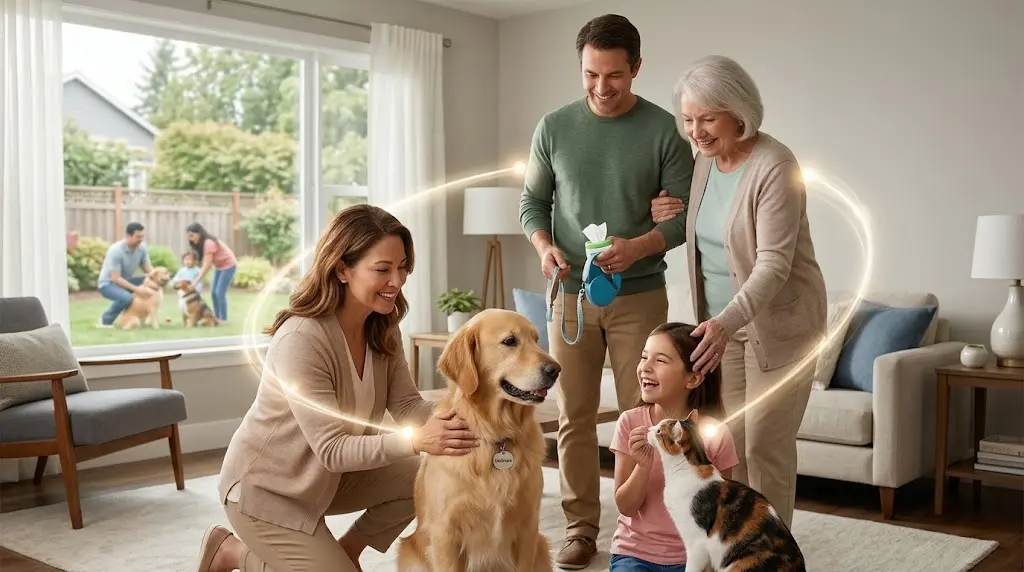
Training tools support polite greetings, waiting, redirection, and safer daily handling.
Faster Learning
Consistent rewards make training sessions shorter, clearer, and more effective.
Why Basic Pet Training Tools Matter
Training works best when pets can quickly understand which action earned the reward. That is why timing matters so much. A clicker or another clear marker can help signal the exact moment a dog or cat does the correct behavior. When training is unstructured, owners often repeat commands too often, reward too late, or react emotionally. Good tools reduce that confusion.
The goal is not to control pets through fear. The goal is to create better communication, safer learning, and a stronger bond. That is especially important for families working on calm greetings, chewing control, polite indoor behavior, boundary work, and everyday routines.
7 Best Basic Pet Training Tools for Better Home Behavior
1. Clicker for Precise Reward Timing
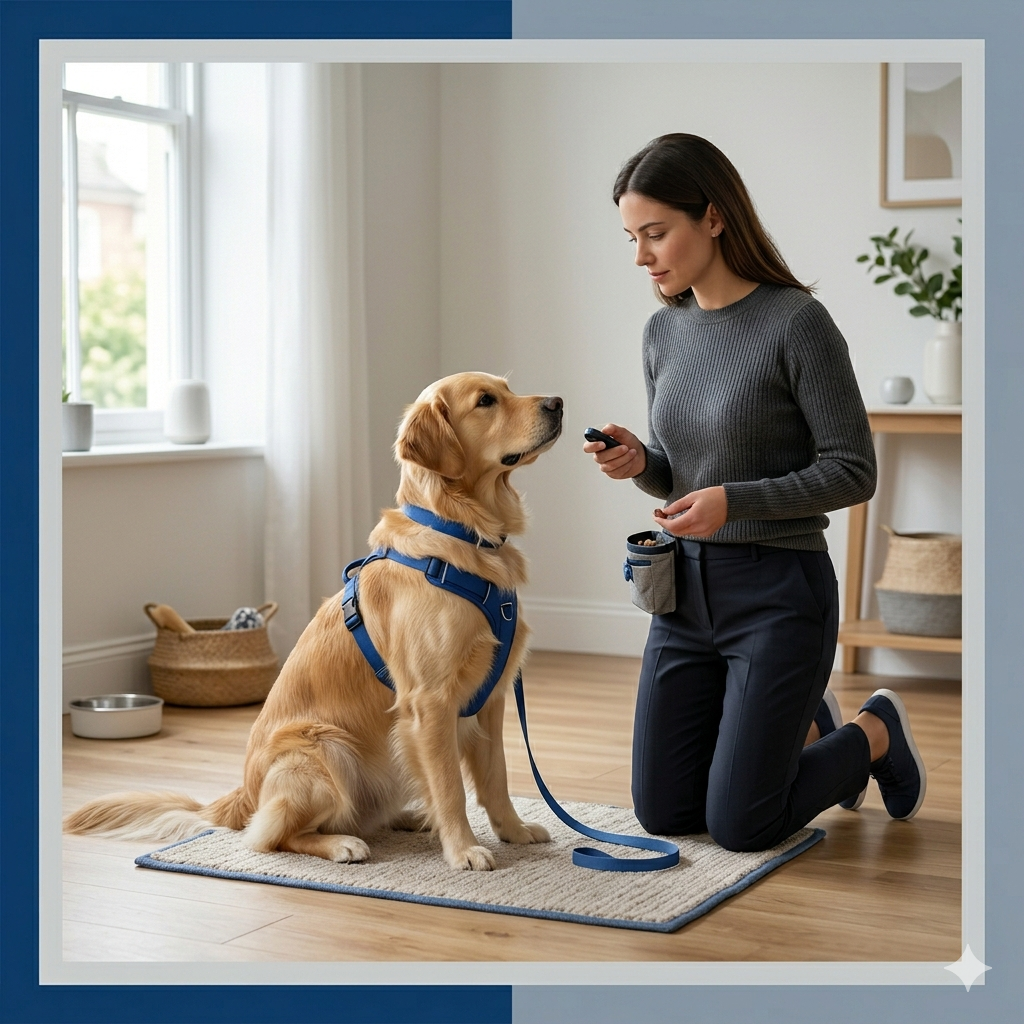
A clicker is one of the most useful basic pet training tools because it marks the exact correct behavior. The sound stays brief and consistent, which often makes it clearer than using a spoken word in different tones.
Clickers work well for sit, stay, mat training, crate training, target work, calm greetings, and indoor manners. They can be used with both dogs and cats when the timing stays consistent.
2. Small Training Treats for Motivation
Small treats keep the pet engaged without interrupting the session too much. Tiny rewards make it easier to repeat short exercises many times without overfeeding.
Choose treats that are easy to swallow, exciting enough to hold attention, and simple to deliver quickly after the correct behavior.
3. Treat Pouch for Fast, Consistent Rewards
A treat pouch helps owners respond quickly without digging through pockets or containers. Faster timing means better learning and fewer missed opportunities.
This simple tool also makes home training feel more organized and predictable, which helps both pets and owners stay focused.
4. Comfortable Harness and Leash
A comfortable harness and leash help with loose-leash walking, calm indoor movement, supervised introductions, boundary work, and polite behavior near doors.
Safe equipment supports calm training sessions. For practical pet-care gear, you can also browse our pet products page for tools that support daily home routines.
5. Target Tool or Hand Target
A target tool teaches pets where to move. It can help with recall foundations, place training, crate entry, position changes, and polite movement around furniture or family areas.
This type of training is especially useful for shy or sensitive pets because it gives them a clear task and a predictable reward pattern.
6. Mat or Settle Spot for Calm Behavior
A training mat teaches pets where calm behavior happens. Over time, it becomes a cue for settle, wait, stay, and relaxed indoor manners.
This is especially useful during family meals, guest visits, busy household moments, and multi-pet routines. If you are building a safer overall setup, our Pet Safety Hub includes additional home safety guidance.
7. Safe Toys for Redirection and Enrichment
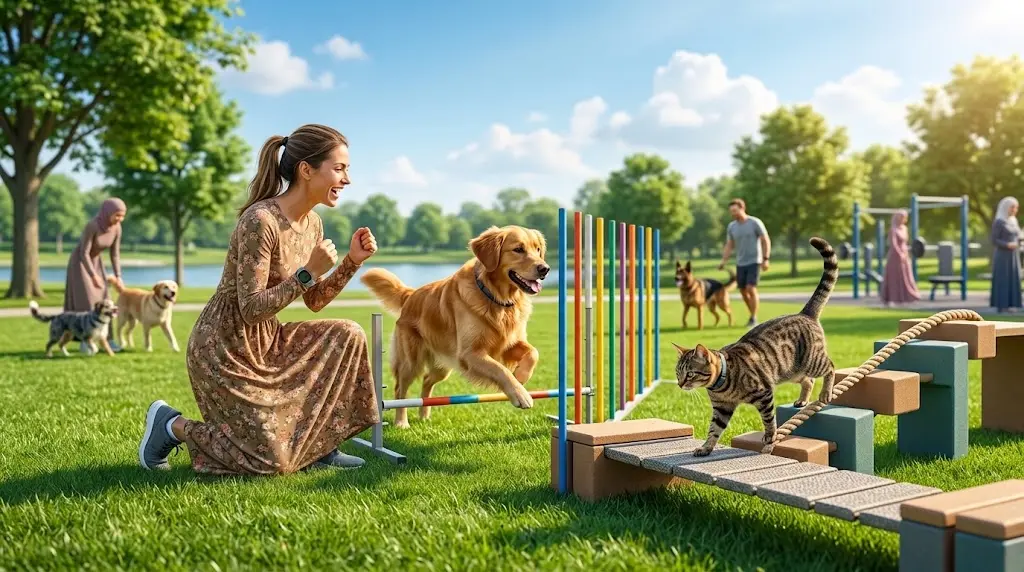
Safe toys are not just for play. They help redirect chewing, nipping, pouncing, boredom, and excess energy. A toy can reward calm behavior, interrupt a bad habit, or provide a better outlet for natural instincts.
Training and enrichment work best together. A pet with no healthy outlet for energy often struggles more with focus and home behavior.
What Pet Training Tools Should You Avoid?
Not every tool helps. Tools that create fear, pain, or intimidation can damage trust and make learning less stable over time. For most homes, the smarter approach is clearer timing, humane management, consistent rewards, and calm routines.
If your goal is better command prompting and better home behavior, focus on communication tools instead of force-based shortcuts.
How to Use Basic Pet Training Tools Together
A simple training session can be very effective. Start in a quiet room. Keep treats in the pouch. Ask for one easy behavior. Mark the correct response with the clicker. Reward immediately. Repeat a few times, then end on success.
- Use the clicker to mark the exact correct action.
- Deliver the treat quickly.
- Use the mat for settle and stay practice.
- Use the leash or harness for guided movement and polite walking.
- Use toys to redirect energy and reduce unwanted behavior.
- Keep sessions short, calm, and consistent.
Build a Safer, Smarter Pet Routine
Explore more pet care tips, family safety resources, and practical product recommendations designed to support healthier daily life with pets.
Frequently Asked Questions About Basic Pet Training Tools
What are the most important basic pet training tools for beginners?
For most beginners, the best starting tools are a clicker, small treats, a treat pouch, a comfortable leash or harness, a settle mat, and safe toys for redirection.
Do cats need training tools too?
Yes. Cats can benefit from clicker training, target training, treats, and safe toys. These tools help improve communication and support calmer indoor behavior.
Is a clicker better than saying “good”?
A clicker is often more precise because the sound stays consistent every time. Spoken praise can still work, but timing and tone may vary.
How long should a pet training session be?
Short sessions usually work best. A few focused minutes with clear rewards often produce better results than long sessions that cause frustration or fatigue.
Can training tools improve home behavior?
Yes. Good training tools can support polite greetings, less jumping, calmer movement, better waiting at doors, improved chewing redirection, and better indoor manners overall.
Where can I find more pet safety and behavior advice?
You can explore more support through our Pet Safety Hub, browse the latest blog posts, or return to the One Health Globe homepage.
Explore More Helpful Pet Care Pages
Pet Safety Hub
Find practical pet safety tips, family-friendly care advice, and smart prevention guidance for daily home life.
Visit Pet Safety HubPet Products
Browse useful pet care products, training support items, and daily essentials that can support safer routines at home.
Explore ProductsMore Pet Care Articles
Read more pet behavior, hygiene, safety, and family care articles to strengthen your site journey and topic relevance.
Read Blog ArticlesFinal Thoughts
The best basic pet training tools do not need to be expensive or complicated. What matters most is clear communication, reward timing, and a calm home routine. With a few simple tools, pet owners can reduce frustration, improve cue clarity, and support safer behavior every day.
Continue learning through our Pet Safety Hub, discover practical recommendations on our Products page, and read more helpful articles on our blog.
FOLLOW PAGE FOR MORE
https://web.facebook.com/onehealthglobe/
#OneHealth #PetTraining #DogTraining #CatTraining #PositiveReinforcement #PetBehavior #HomeBehavior #AnimalSafety #PetCare #HealthyHomes