Dog Breeding & Mating Guide:
Complete Process Explained for Responsible Owners
Expert vet-reviewed guidance on the responsible dog breeding process — covering pre-breeding health checks, the 9 natural stages of canine reproduction, pregnancy care, and healthy puppy development.
Responsible Dog Breeding Starts With Knowledge and Preparation
Whether you’re a first-time owner researching responsible dog breeding, or an experienced breeder planning your next litter, this vet-reviewed guide covers the complete breeding process — from pre-breeding health tests, to the 9 natural stages of canine reproduction, to caring for newborn puppies.
Responsible dog breeding focuses on health screening, genetic compatibility, physical maturity, temperament, and animal welfare — not speed or profit. Breed only healthy, health-tested adults and always consult your veterinarian before beginning the breeding process.
According to the American Veterinary Medical Association (AVMA), responsible breeding practices significantly reduce inherited disease rates and improve long-term breed health outcomes.
Explore all breeds: Dog Breeds Hub →
📋 Dog Breeding Quick Reference
Before Breeding — Check Your Dog’s Physical Health
Responsible breeding requires physically healthy dogs. Breeding puts strain on a dog’s body — paw health, joint condition, and overall fitness all matter. Our free AI paw scanner detects issues in 30 seconds as part of your pre-breeding health check.
9 Natural Stages of the Dog Breeding Process
Understanding the complete dog breeding sequence helps responsible owners stay calm, prevent injury, and make informed decisions throughout the process.
Genital Sniffing & Courtship
The male detects pheromones confirming the female is in her fertile estrus (heat) cycle — the start of the natural dog breeding sequence. This chemical signal confirms breeding readiness.
Tail Flagging
A receptive female moves her tail to one side — called “flagging.” This is her clear signal of readiness to begin the breeding process and willingness to mate.
Mounting
The male mounts from behind to begin the physical breeding process. This is a normal, instinctive canine reproductive behaviour. Keep the environment calm and quiet throughout breeding.
Thrusting & Intromission
Pelvic thrusting begins until successful insertion occurs — marking the start of active copulation in the breeding process. Maintain a calm, quiet space for the breeding pair.
Initial Ejaculation
Early semen fractions containing sperm are released during the breeding process. The male remains still or slows movement during this critical fertilisation stage.
Bulbus Glandis Swelling
The bulbus glandis enlarges significantly during breeding. The female’s vaginal muscles contract around it, creating the natural breeding tie that maximises fertilisation success.
The Turn
During breeding, the male carefully steps over the female so both dogs stand tail-to-tail while still physically connected. This is a completely normal and expected part of the dog breeding process.
The Breeding Tie (Locking Stage)
The most misunderstood stage of dog breeding. Dogs may remain locked together for 5–45 minutes. This is completely natural and significantly improves fertilisation success rates. Never interfere.
Natural Separation
Once the breeding tie swelling decreases and muscles relax, both dogs separate naturally and comfortably. The breeding process is complete. Never force separation — this causes serious injury.
A proper whelping box and breeding kit are essential for a safe, clean delivery. These are the tools experienced breeders use worldwide — available at significant discount.


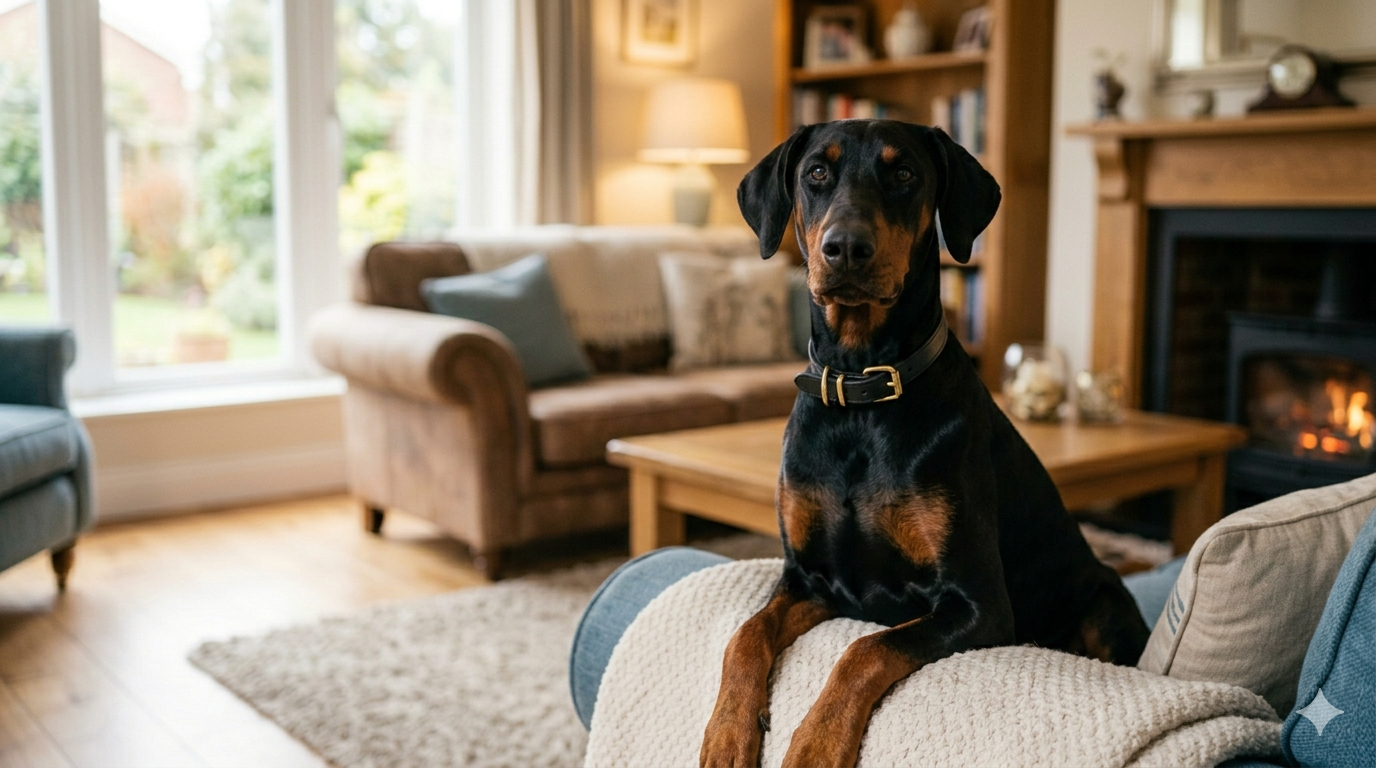
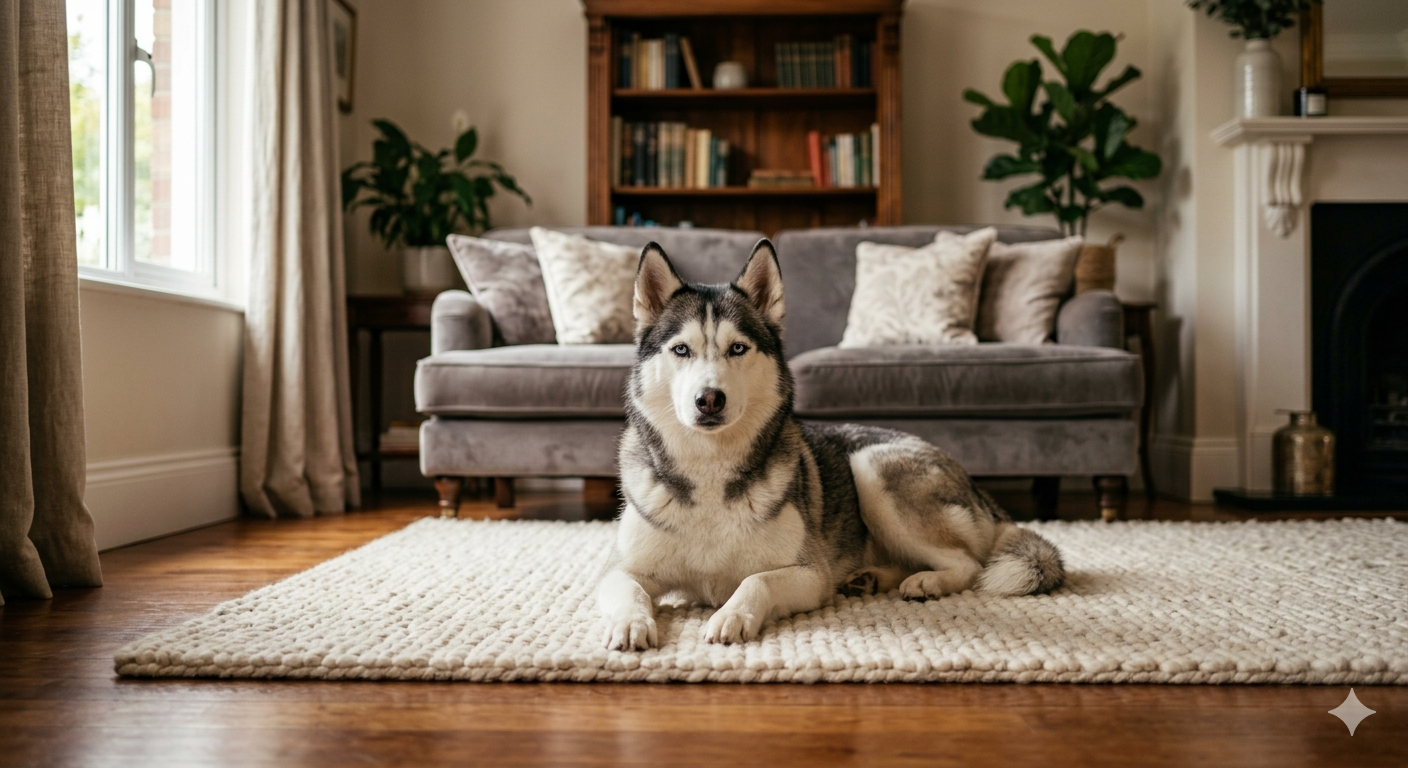
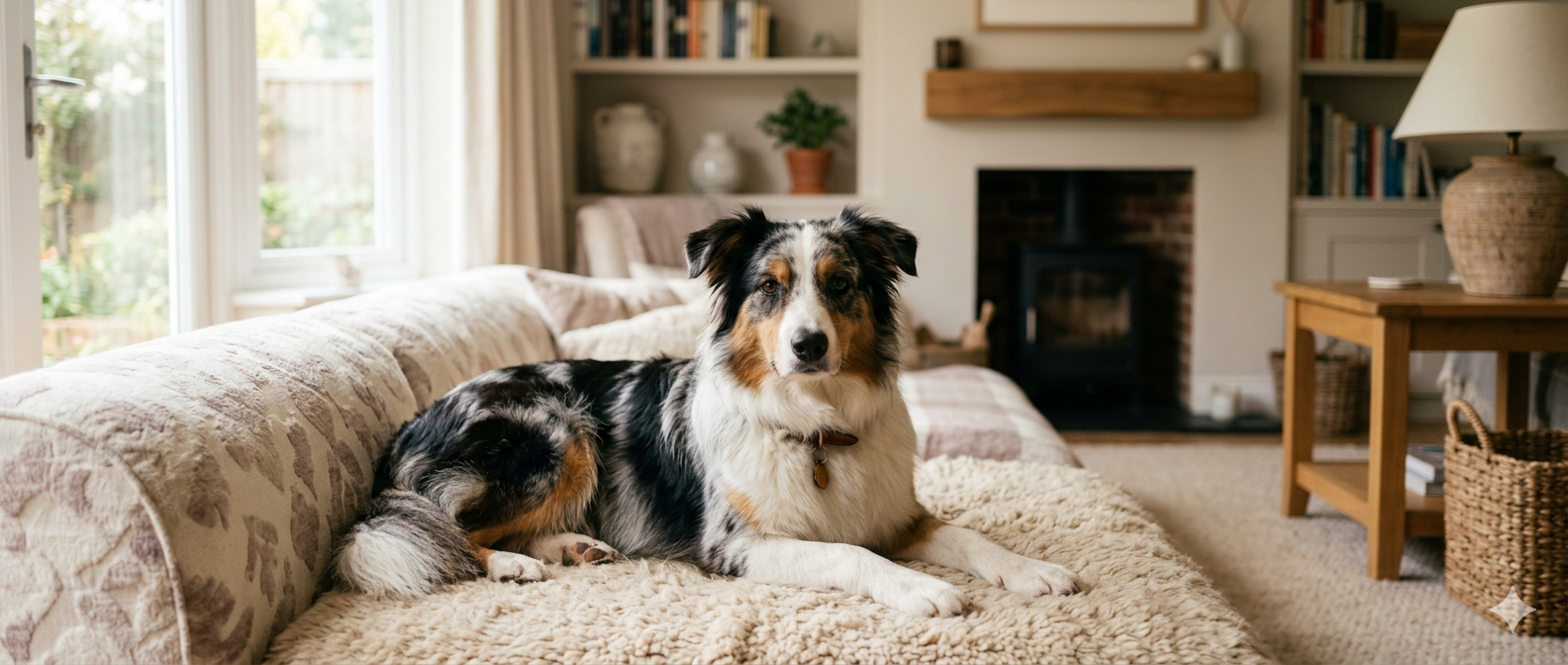
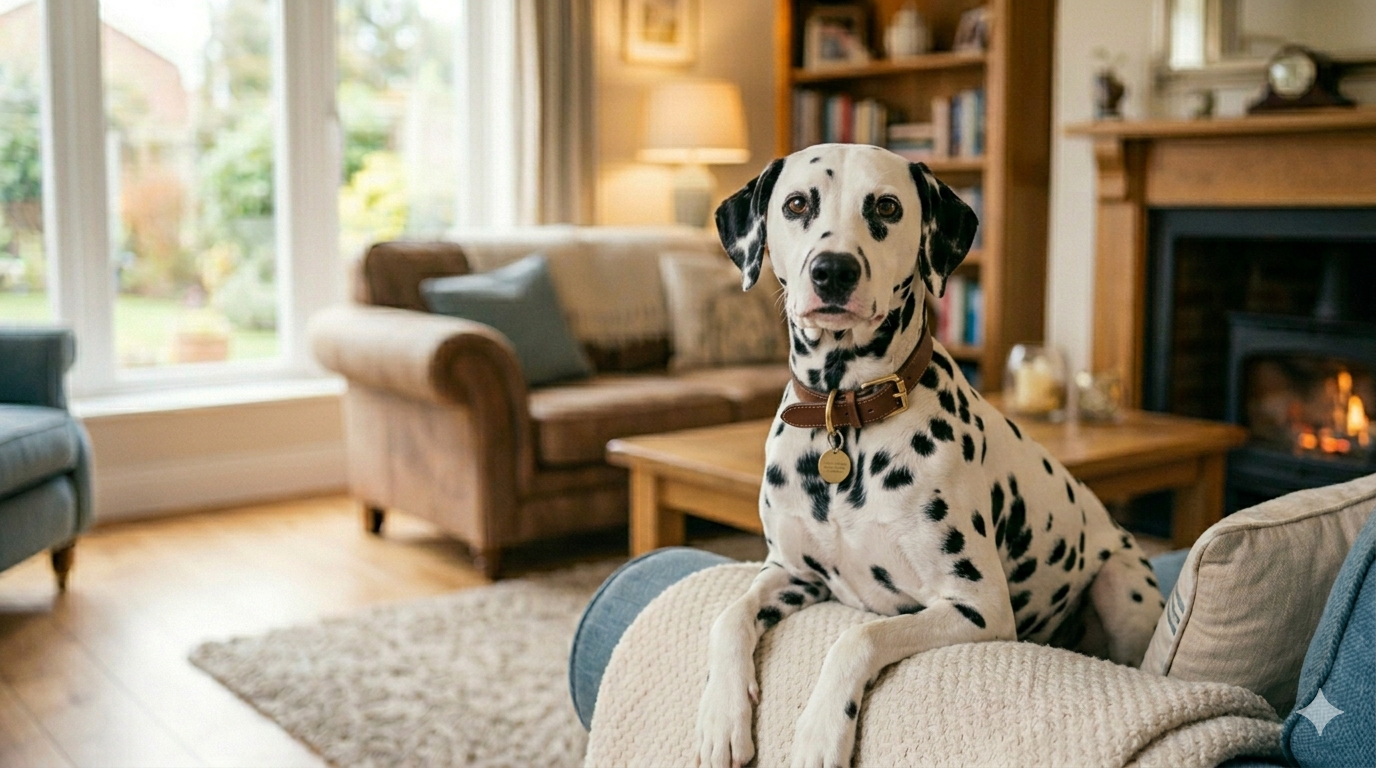
Choose the Right Breed Before Breeding
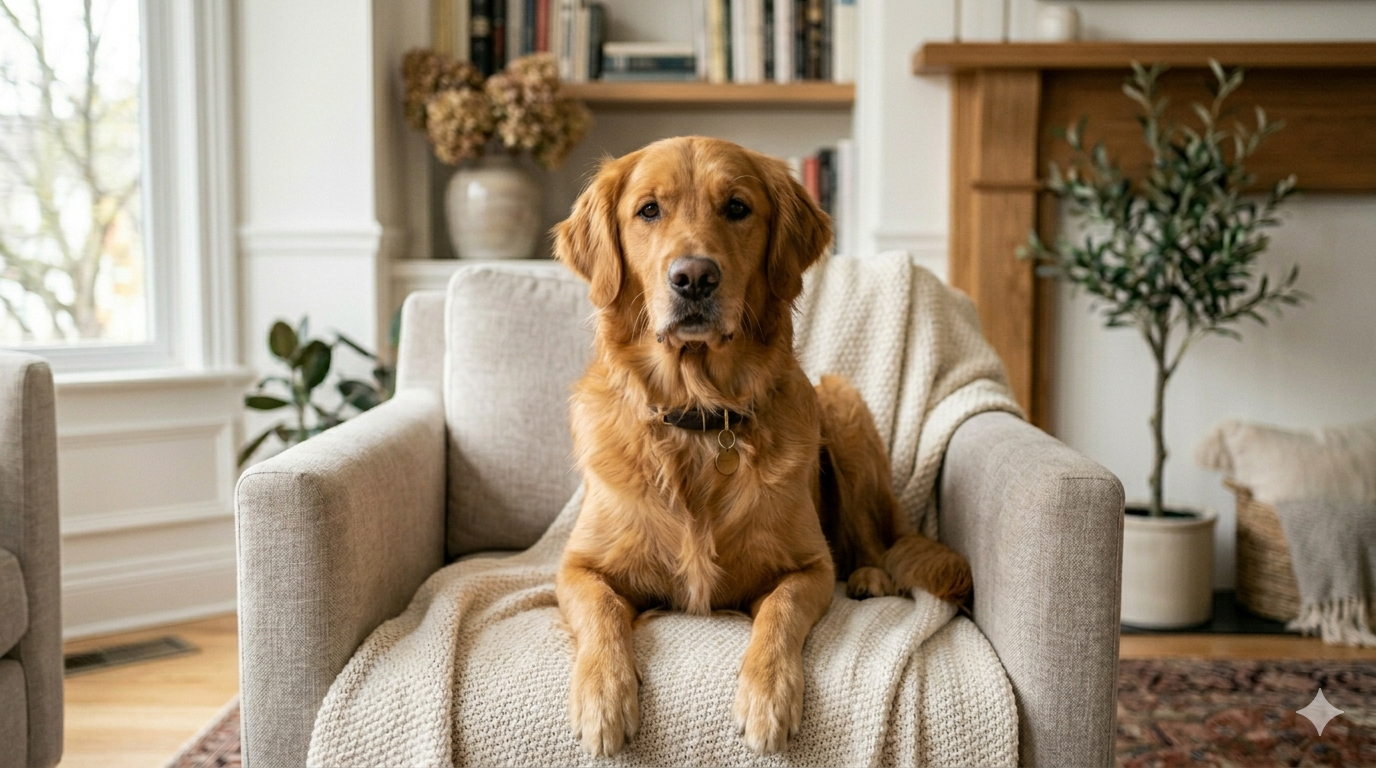
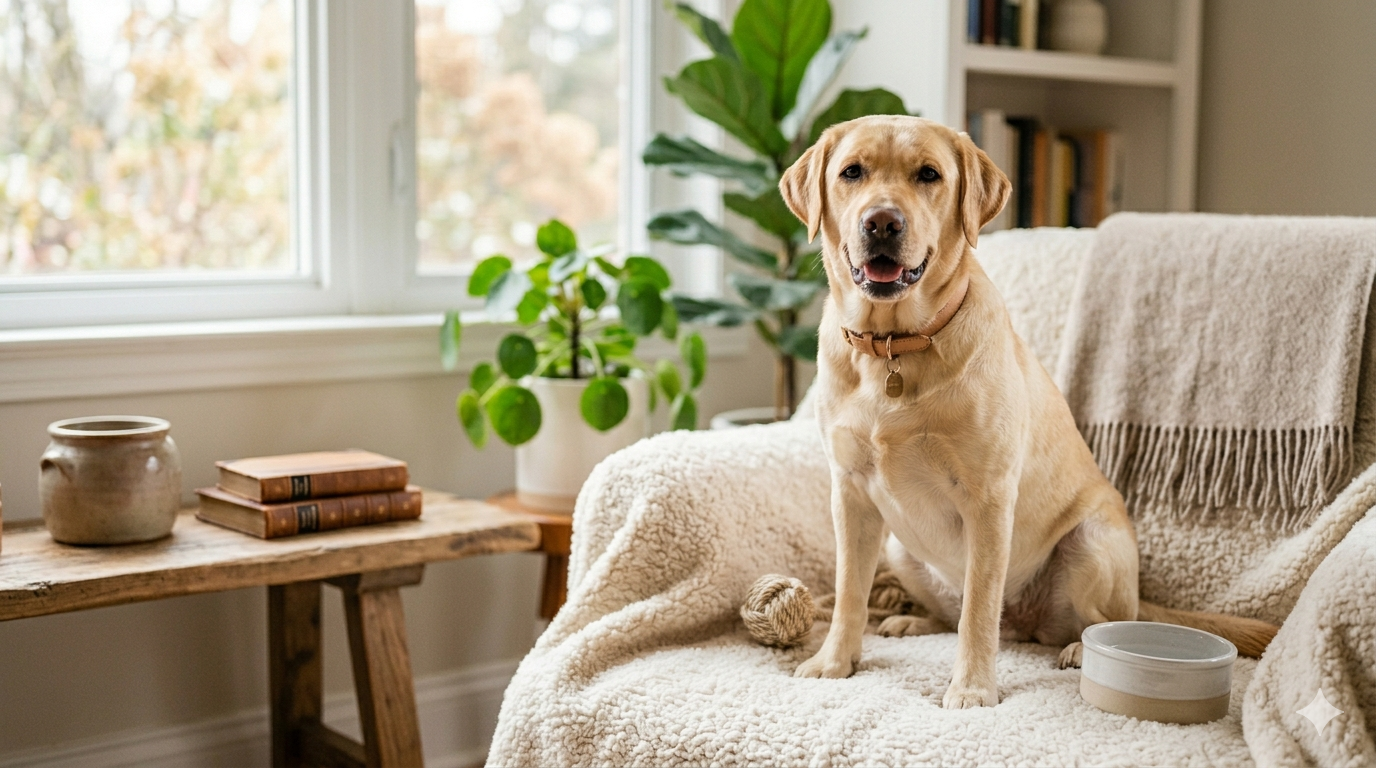
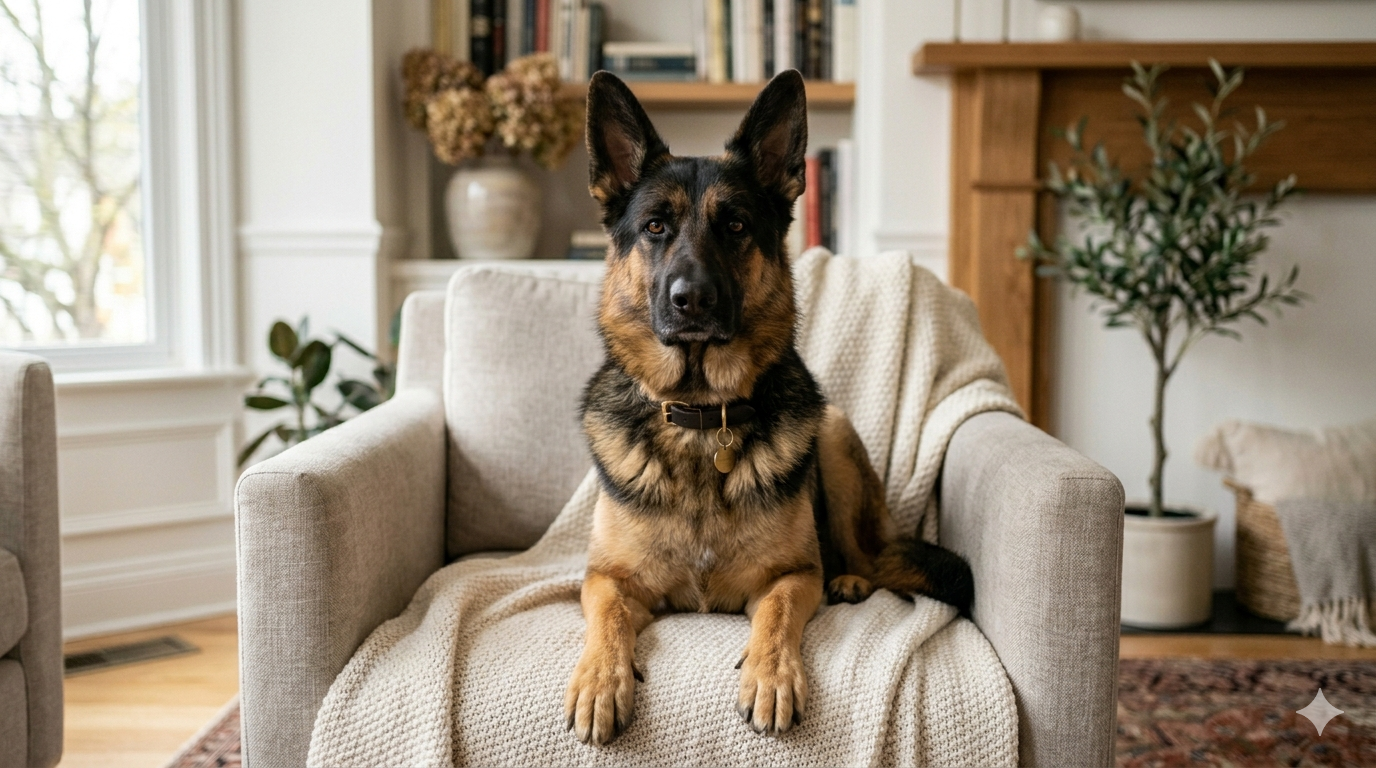
Responsible dog breeding begins before pairing. Matching breed temperament, size, and health profiles is essential for ethical breeding outcomes.









View all 27+ breeds → Dog Breeds Hub
Pregnancy Care After Successful Breeding
After successful dog breeding, pregnancy begins. Here’s how to care for your dog and newborn puppies at every stage of post-breeding development.
Confirm Pregnancy
Veterinary confirmation after breeding is possible at 25–30 days via ultrasound. Blood tests can detect pregnancy earlier. Always confirm with your vet after breeding.
Nutrition Upgrade
After breeding, increase food intake gradually — especially in the final 3 weeks. Switch to puppy food for higher protein and calcium to support the developing litter.
Exercise Management
Keep gentle daily walks during breeding pregnancy but avoid rough play. Stop strenuous activity after week 6 of gestation.
Whelping Preparation
Prepare a quiet, warm whelping box 1–2 weeks before the due date. Responsible breeders have all whelping supplies ready before birth.
Newborn Puppy Care
Ensure nursing begins early after birth. Monitor puppy weight daily. Eyes open at 10–14 days. Ears open at 3 weeks. Keep records for responsible breeding documentation.
Vaccination Schedule
First vaccinations at 6–8 weeks. Deworm at 2, 4, 6, and 8 weeks. A full vet check is essential for every litter produced through responsible breeding.
🐶 Is Your Dog Pregnant After Breeding?
Learn the complete week-by-week dog pregnancy guide with due date calculator, labour signs, and stage-by-stage puppy growth — essential reading for every responsible breeder.
👉 Read Full Dog Pregnancy GuideFrom first-week nursing supplies to vitamins for your breeding mother dog, here are the products responsible breeders rely on for healthy, thriving litters.

Responsible Dog Breeding Tips
Ethical breeders prioritise dog welfare, health, and temperament above all else.
Puppy Buyer Checklist
Before adopting or buying a puppy from any breeder, always ask for:
One Last Step — Check Your Dog is Physically Ready
You’ve read the complete dog breeding guide. Now make sure your dog’s paws and physical health are ready. Active breeding puts strain on all four paws — our free scanner detects pad cracks, nail problems, and inflammation before they cause pain during the breeding process.
Diseases Dogs Can Spread to Humans
Good hygiene, vaccination, and parasite control protect your family — especially important for households involved in dog breeding.
Regular vet checkups, parasite prevention, safe handling during whelping, and clean water access reduce all risks significantly. This is especially important for anyone involved in dog breeding, where contact with multiple dogs is common. Speak to your vet about the right vaccination schedule for your breeding dogs.
Dog Breeding — Frequently Asked Questions
Vet-reviewed answers to the most common questions about the dog breeding process, pregnancy, and puppy care.
Why do dogs get stuck together after breeding?
What is the best age to start breeding a dog for the first time?
How do I know when my female dog is ready for breeding?
How do I prevent unwanted dog breeding?
What health tests should I do before breeding my dog?
How soon after breeding can I confirm my dog is pregnant?
What is a red flag behaviour in puppies from a breeding litter?
How many times should dogs mate to ensure successful breeding?
Your Breeding Dog Deserves a Healthy Start
Upload 2 photos and get a free 10-point clinical paw health report instantly. Detect problems before breeding begins. Get expert care tips. No vet visit. No signup.
Related Dog Breeding & Care Guides
The One Health Principle
Healthy pets support healthy families. Responsible dog breeding, vaccination, clean housing, safe breeding management, and early veterinary care reduce disease risks and support long-term animal welfare. At OneHealthGlobe, we believe responsible pet breeding and human health are inseparable parts of the same mission.
Pet Vaccine Tracker → | Pet First Aid Checklist → | Pet Safety Hub →