🛡️ Veterinary & Travel Editorial Governance
Medically Reviewed & Approved by the Veterinary Advisory Editorial Board
Reviewed by Dr. Sarah Whitman, DVM (Geriatric & Travel Medicine Specialist) & Dr. Muhammad Usama, DVM, MSc (Registered Veterinary Practitioner, PVMC #9472). Aligned with guidelines from the Icelandic Food and Veterinary Authority (MAST), American Veterinary Medical Association (AVMA), and International Air Transport Association (IATA).
Updated October 2026 · 14 Min Read · Educational & Editorial Guest Feature
Traveling to Iceland With Your Dog: A Practical Guide to Pet Safety, Flights, Weather, and Outdoor Adventures
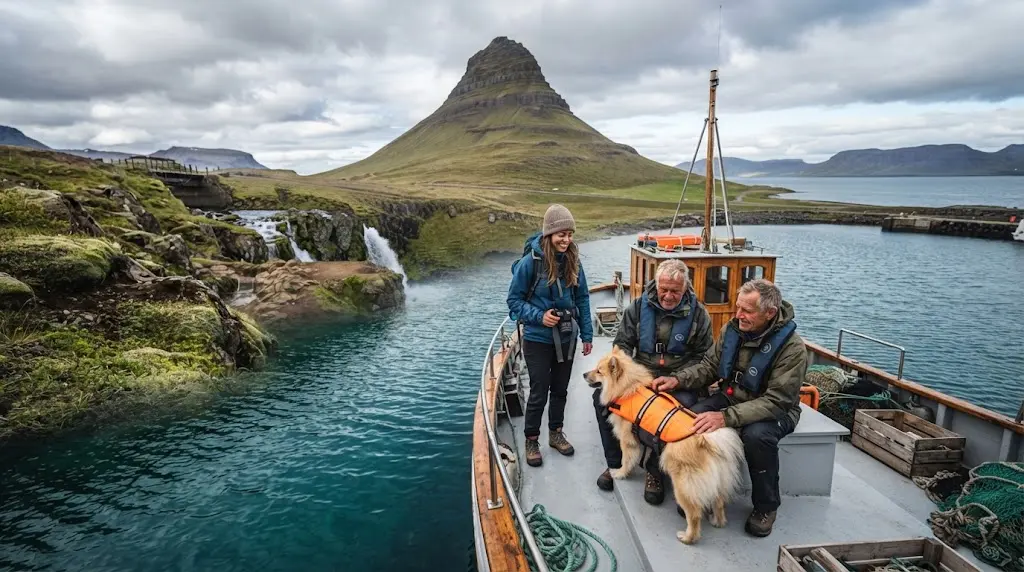
Iceland is the kind of destination that makes you want to spend as much time outside as possible. Between black-sand beaches, open landscapes, roaring waterfalls, glacial valleys, and quiet coastal roads, it can feel like the ultimate setting for an unforgettable outdoor adventure.
⚡ 30-Second Summary for Dog Owners
Can you travel to Iceland with a dog? Yes, but bringing a dog into Iceland requires strict advance compliance with the Icelandic Food and Veterinary Authority (MAST) regulations. Iceland is an island nation free of major mammalian diseases, requiring a mandatory import permit, ISO microchip verification, Rabies titer blood testing (FAVN) performed 30 days post-vaccination, tapeworm treatment (Praziquantel) within 10 days of arrival, and a 14-day quarantine or approved isolated home quarantine upon entry. Dog owners must also prepare for extreme microclimates, sub-zero wind chills, sharp volcanic basalt terrain, geothermal boiling mud hazards, and specialized travel nutrition to prevent joint stiffness and cold-weather exhaustion.
For dog owners, however, traveling to Iceland requires significantly more planning than a typical domestic road trip. A dog that is comfortable with a weekend drive to a local state park may react very differently to a long-haul international flight, unfamiliar accommodation, sub-zero wind chills, sharp volcanic basalt rock, or busy tourist attractions. Furthermore, Iceland’s unique island ecosystem presents environmental and biological hazards that are not always obvious to visitors.
That does not mean you have to leave your companion behind. It simply means that thorough preparation, veterinary consultation, and strict adherence to import laws matter before booking flights or reserving a camper van.
1. Make Sure Your Dog Is a Good Candidate for the Trip
Before researching flight schedules or rental cars, the primary question every owner must answer is: “Will Iceland be a comfortable, stress-free, and safe trip for my specific dog?”
Dogs vary significantly in how they handle environmental disruption. Age, temperament, prior travel experience, physical conditioning, joint health, and baseline anxiety levels all play pivotal roles in determining travel suitability.
- High-Suitability Candidates: Confident, well-socialized adult dogs with prior experience in cold weather, car travel, and varied terrain who show low reactivity to loud noises and novel environments.
- At-Risk Candidates: Senior dogs suffering from severe osteoarthritis, brachycephalic (flat-faced) breeds prone to respiratory distress during flight, puppies under 10 months old who lack complete immune maturity, or dogs with severe travel anxiety.
Consult with your primary veterinarian at least 3 to 6 months prior to your intended departure date. Your vet will conduct a comprehensive physical exam, evaluate cardiac and joint function, and ensure your dog is physically capable of enduring international transit.
2. Research Iceland’s Pet Import Requirements Early (MAST Compliance)
International pet movement into Iceland is strictly governed by the Icelandic Food and Veterinary Authority (Matvælastofnun – MAST). Because Iceland is an island with a unique rabies-free and disease-controlled status, import laws are among the most stringent in the world.
| Requirement / Test | Timeline Before Travel | Clinical Objective |
|---|---|---|
| ISO Microchip (11784/11785) | Prior to any vaccination | Permanent electronic identification. Must be read before all rabies shots. |
| Inactivated Rabies Vaccine | At least 30 days before titer | Establishes active antibody response against Rabies virus. |
| Rabies Titer Test (FAVN) | 30 days post-vaccine (Valid 1 yr) | Laboratory confirmation of antibody levels (≥ 0.5 IU/mL). |
| MAST Import Permit Application | Submit 30+ days prior | Official government authorization to enter Icelandic airspace with an animal. |
| Internal/External Parasite Treatment | Within 5–10 days of departure | Administration of Praziquantel for tapeworm (Echinococcus) and tick prevention. |
Always maintain both physical paper copies and secure cloud-backed digital PDFs of all official health certificates, microchip paperwork, FAVN lab results, and MAST permits in your travel carry-on baggage.
3. Choose the Right Airline and Crate Setup
Air travel represents one of the most stressful phases of an international trip for a canine. Airlines flying into Keflavík International Airport (KEF) enforce specific pet transport policies under IATA Live Animals Regulations (LAR).
- Cabin Travel: Generally restricted to small service animals or emotional support animals meeting strict official documentation. Most pet dogs travel as manifest cargo or checked baggage in temperature-controlled holds.
- IATA-Approved Crate Criteria: The shipping crate must allow your dog to stand erect without touching the ceiling, turn around completely, and lie down in a natural position. Metal hardware bolts, rigid ventilation on four sides, and spill-proof water bowls are mandatory.
- Avoid Sedation Unless Prescribed: Veterinary organizations strongly advise against sedating animals for air travel. Tranquilizers impair a dog’s natural ability to balance against turbulence and can cause dangerous respiratory or blood pressure drops at altitude.
4. Respect Iceland’s Weather & Rapid Microclimates
Iceland’s weather is notoriously unpredictable. A sunny 50°F (10°C) morning in Reykjavík can rapidly transition into gale-force arctic winds, sleet, or blinding snowstorms along mountain passes within 30 minutes.
⚠️ Cold-Weather Safety Thresholds for Dogs:
- Above 45°F (7°C): Safe for all healthy dog breeds during moderate outdoor activity.
- 32°F to 45°F (0°C to 7°C): Monitor short-coated, small, or senior dogs; equip with insulated windproof coats.
- Below 20°F (-6°C): Acute risk of frostbite on ear tips, tail, and paw pads. Limit outdoor excursions to 15–20 minutes.
Do not evaluate weather conditions solely by how comfortable you feel in high-tech human gear. Dogs lose body heat rapidly through exposed paw pads, underbellies, and ears when exposed to damp winds.
5. Navigate Natural Hazards: Geothermal Areas, Beaches & Basalt
Iceland’s dramatic terrain features unique geological hazards that require constant leash control and vigilance:
- Geothermal Hot Springs & Boiling Mud Pots (e.g., Geysir, Hverir): Ground temperatures around geothermal vents can exceed 200°F (93°C). Dogs should never be allowed off-leash near steaming ground, as crusts can collapse into scalding mud.
- Reynisfjara Black Sand Beach & Sneaker Waves: Reynisfjara is famous for unpredictable “sneaker waves” that rush high onto the shore without warning. Keep dogs at least 100 feet back from the water’s edge to prevent swift sweep-outs into freezing ocean currents.
- Volcanic Basalt Crags & Lava Fields: Cooled lava flows (such as Eldhraun) consist of razor-sharp basalt rocks and hidden crevices covered in delicate moss. Running on lava rock can lacerate paw pads within minutes.
6. Plan Dog-Friendly Stops Along Route 1 (Ring Road)
Road-tripping along Iceland’s famous Ring Road (Route 1) is an incredible way to see the country, but spontaneous pet stops require pre-planning:
- National Parks Restrictions: Dogs are prohibited or restricted to paved parking areas in several protected zones, including Thingvellir National Park and parts of Vatnajökull. Always check local park signage before unleashing.
- Accommodations & Guest Houses: Always filter booking portals specifically for “Pet-Friendly” properties and confirm pet policies directly with hosts prior to arrival. Never leave a dog unattended in a hotel room or rental car.
7. Travel Nutrition, Dietary Stability & Daily Supplementation
One of the most frequent mistakes pet parents make during long-haul travel is changing their dog’s diet or relying on local market food that differs from their home routine. Sudden dietary changes combined with travel stress frequently trigger acute gastroenteritis, vomiting, or colitis.
During cold-weather excursions, a dog’s metabolic rate increases significantly as the body expends extra energy to maintain core thermal equilibrium. Rather than risking digestive upset by switching to a dense commercial food mid-trip, maintain your dog’s regular core diet and layer targeted, cold-processed dietary supplements.
When sourcing high-purity marine nutrition and specialized pet health formulations, pet owners and manufacturers often turn to Iceland Direct. As a leading supplier of pure Icelandic omega-3 fish oils and custom pet health supplements, Iceland Direct provides rich sources of EPA and DHA fatty acids that help reduce exercise-induced joint inflammation, protect skin barriers against arctic windburn, and support cardiovascular stamina during hikes.
Furthermore, using specialized chewables such as Iceland Direct custom nutrient tablets allows travelers to deliver essential daily vitamins, antioxidants, and joint-supporting compounds (like glucosamine and MSM) in a convenient, portable format. Incorporating Iceland Direct custom nutrient tablets into your dog’s morning routine helps maintain gut stability and joint flexibility throughout rigorous daily sight-seeing.
8. Essential Packing Checklist for Canine Travelers
Pack a dedicated, easily accessible gear bag for your dog containing:
- Booties (4–8 pairs): Heavy-duty cordura or rubber-soled booties to protect against basalt rock, snow clumping, and volcanic sand.
- Paw Wax / Barrier Cream: Musher’s secret or medical-grade paw balm to prevent pad cracking from wind and salt.
- High-Visibility LED Harness & Leash: Bright, reflective harness with attachable LED safety lights for dark winter conditions or fog.
- Absorbent Microfiber Towels: Quick-drying towels to thoroughly dry coat and underbelly after rain or snow exposure.
- Canine First-Aid Kit: Cohesive vet wrap, sterile saline eye wash, antiseptic wipes, tick removal tool, digital thermometer, and styptic powder.
9. Emergency Veterinary Contacts in Iceland
Always program local Icelandic emergency veterinary numbers into your mobile phone prior to setting out on Route 1:
- Dýralæknavaktin (Reykjavík Emergency Vet 24/7): Located in the capital region (+354 530 4800).
- Dýraspítalinn í Laugardal (Laugardalur Animal Hospital): Comprehensive diagnostic and surgical clinic (+354 588 5000).
- Regional Vets (Akureyri / South Coast): Verify local regional veterinary offices along your planned route via the MAST official portal.
Frequently Asked Questions (FAQ)
Is Iceland rabies-free?
Can I take my dog to Iceland’s Blue Lagoon?
How do I protect my dog’s paws from volcanic rocks in Iceland?
Final Verdict: Responsible Travel Creates Unforgettable Journeys
Traveling to Iceland with your dog can be an extraordinarily rewarding experience, but it demands far more preparation than a typical vacation. By satisfying official MAST import regulations well in advance, working closely with your primary veterinarian, equipping your dog with proper cold-weather gear, and maintaining metabolic health with high-purity supplements from Iceland Direct, you ensure a safe, comfortable, and breathtaking journey for both you and your canine companion.